Patio and Pool Deck Resurfacing Options for Port Orange Homeowners
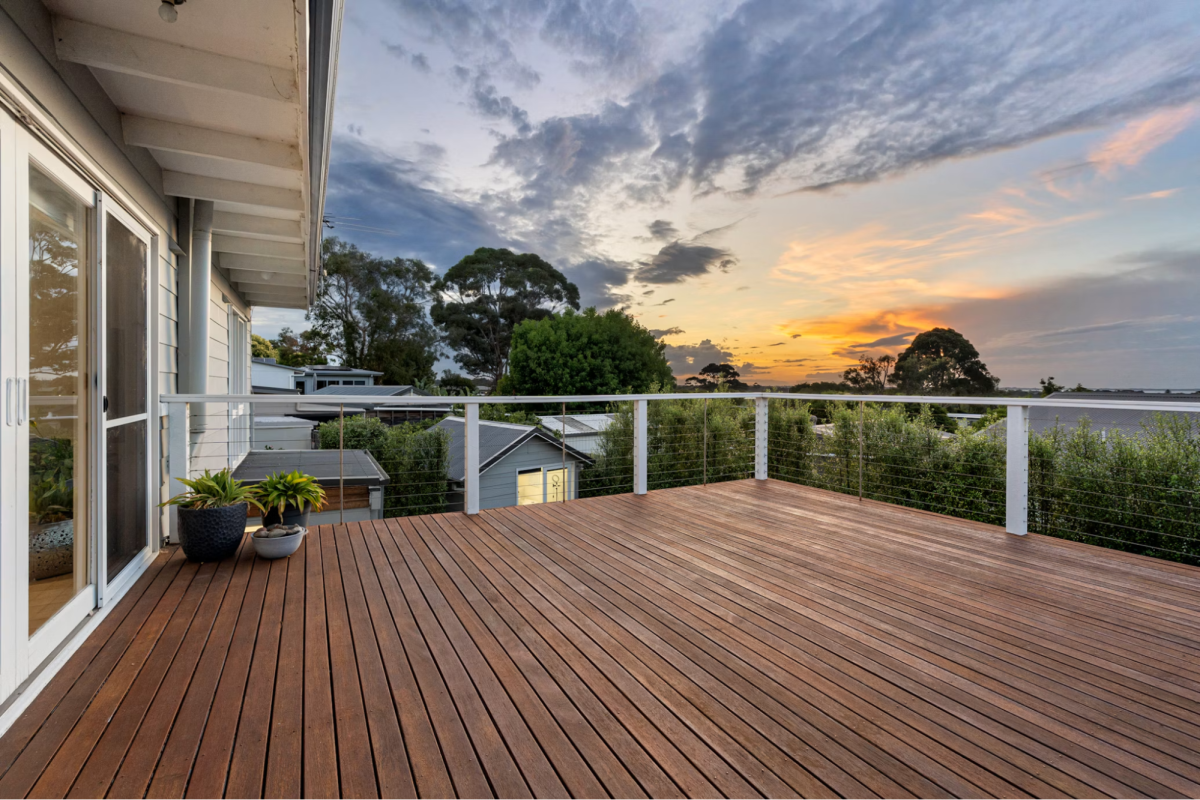
A pool deck or patio takes more punishment than almost any other surface around a Port Orange home. It bakes in direct sun, gets soaked by summer storms and splash-out, and carries wet, barefoot traffic all season. Over time, plain concrete cracks, stains, fades and gets rough underfoot, or worse, slick.
Resurfacing is often a practical alternative to tearing out and repouring a structurally sound slab. The right choice depends on how the space is used, how much sun it gets, and the condition of the concrete underneath. This guide covers the main options, concrete coatings and stone resin resurfacing, along with the two features that matter most outdoors in Florida: slip resistance and UV stability.
Why Outdoor Concrete Wears Differently in Port Orange
Interior floors are protected from the weather. A pool deck or lanai isn’t. Several conditions work against outdoor concrete here:
- Intense sun. Ultraviolet light breaks down many coatings over time, causing fading, chalking or yellowing.
- Heat. Dark surfaces in direct sun can get uncomfortably hot for bare feet.
- Moisture. Rain, high humidity and pool splash keep the surface wet for long stretches, and water can move up through the slab from below.
- Pool chemicals. Chlorinated or saltwater splash-out repeatedly lands on the deck.
- Wet foot traffic. Barefoot swimmers, kids and older family members all need reliable grip on a wet surface.
Any system you choose should be rated for exterior use and these exposures, not just designed to look good on day one.
Option 1: Concrete Coatings
Concrete coatings bond directly to the existing slab and form a protective layer. Outdoors, they usually work as a multi-layer system: a base coat, an optional decorative layer, and a protective topcoat.
Epoxy-based systems build a thick, durable layer and are widely used as base coats. Standard epoxy, however, isn’t UV-stable and tends to yellow or chalk in direct sunlight. On an exposed deck it should be covered with a UV-stable topcoat.
Polyaspartic and polyurethane topcoats are common choices for outdoor surfaces because UV-stable formulations resist fading and yellowing. Polyaspartics also cure quickly, which can shorten the time a patio or deck is out of use.
Decorative broadcast systems add vinyl flakes or quartz granules between layers. Quartz systems in particular are popular outdoors because the granules add texture as well as color.
Coatings suit homeowners who want a seamless, easy-to-clean surface with a wide range of colors and finishes.
Option 2: Stone Resin Resurfacing
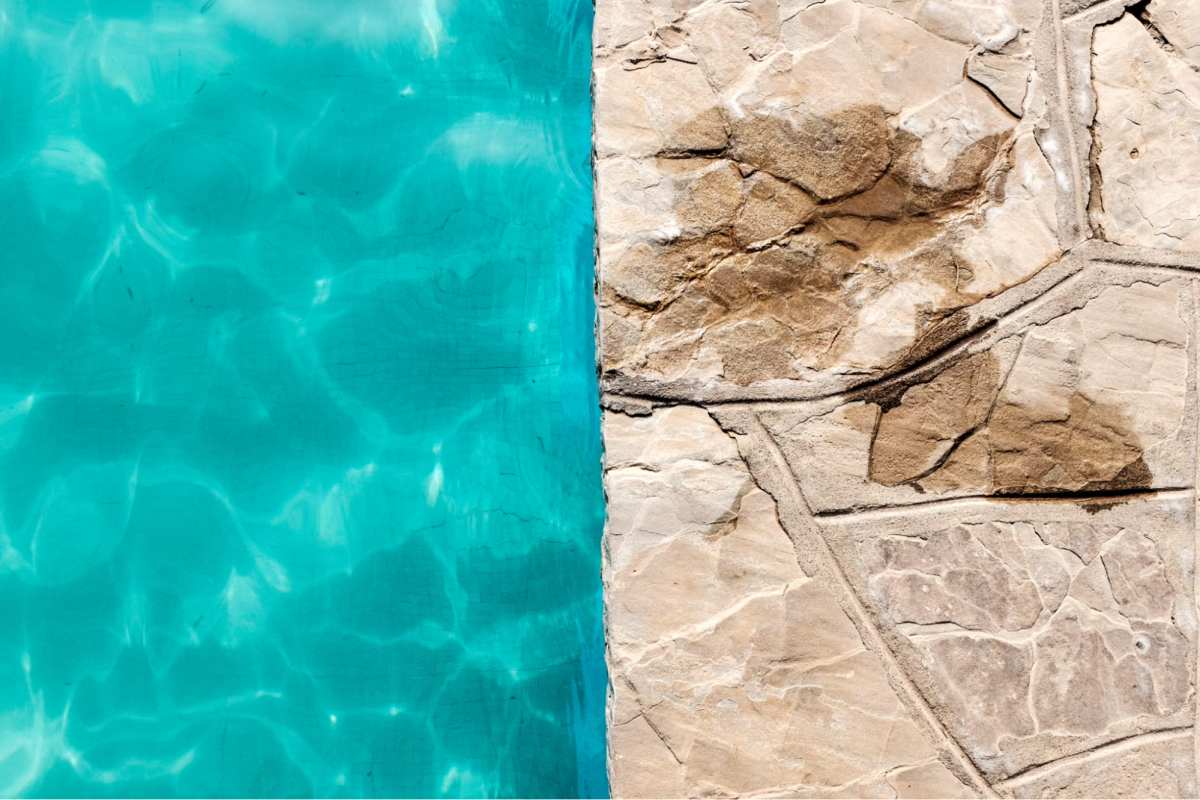
Stone resin systems combine natural stone aggregate with a clear resin binder, troweled over the prepared concrete. The result is a seamless, textured surface with the look of natural stone and no grout lines.
Homeowners choose stone resin for pool decks and patios because:
- The natural aggregate gives a textured surface that helps with traction.
- A wide range of stone blends and colors suits different home styles.
- There are no grout lines to stain, crack or collect debris.
- It can transform tired concrete without demolition, when the slab underneath is sound.
Two points are worth checking. First, the binder must be UV-stable. Ordinary aromatic epoxy binders yellow in sunlight, so outdoor systems rely on UV-resistant resins. Second, stone resin is a finish for the surrounding deck and walkways, not for the submerged interior of the pool itself.
Slip Resistance: The Feature That Matters Most Around a Pool
A beautiful finish is a liability if it turns slick when wet. Around a pool, traction should drive your decision as much as appearance does.
Ways installers build in slip resistance include:
- Textured aggregate. Stone resin and quartz broadcast systems create grip through the texture of the surface itself.
- Anti-slip additives. Fine grit mixed into the topcoat adds traction to smoother coatings.
- Finish choice. Matte and textured finishes generally offer better wet grip than high-gloss finishes.
There’s a trade-off: more texture means more grip but can make the surface slightly harder to clean and rougher underfoot. Ask to see or walk on a wet sample before committing, especially if young children or older adults use the pool.
UV-Resistant Coatings: Protecting the Investment
Sun exposure is the main reason outdoor coatings fail early in Florida. A product that performs well in a garage can fade, yellow or chalk on a fully exposed pool deck.
When comparing systems, ask specifically:
- Is the topcoat or resin binder UV-stable and rated for exterior exposure?
- How is color fading addressed for the shade I’m choosing?
- Does the system need periodic recoating to maintain UV protection?
Color also affects comfort. Lighter colors generally stay cooler underfoot than dark ones, which matters on a deck in full afternoon sun.
Preparation Decides Whether the Surface Lasts
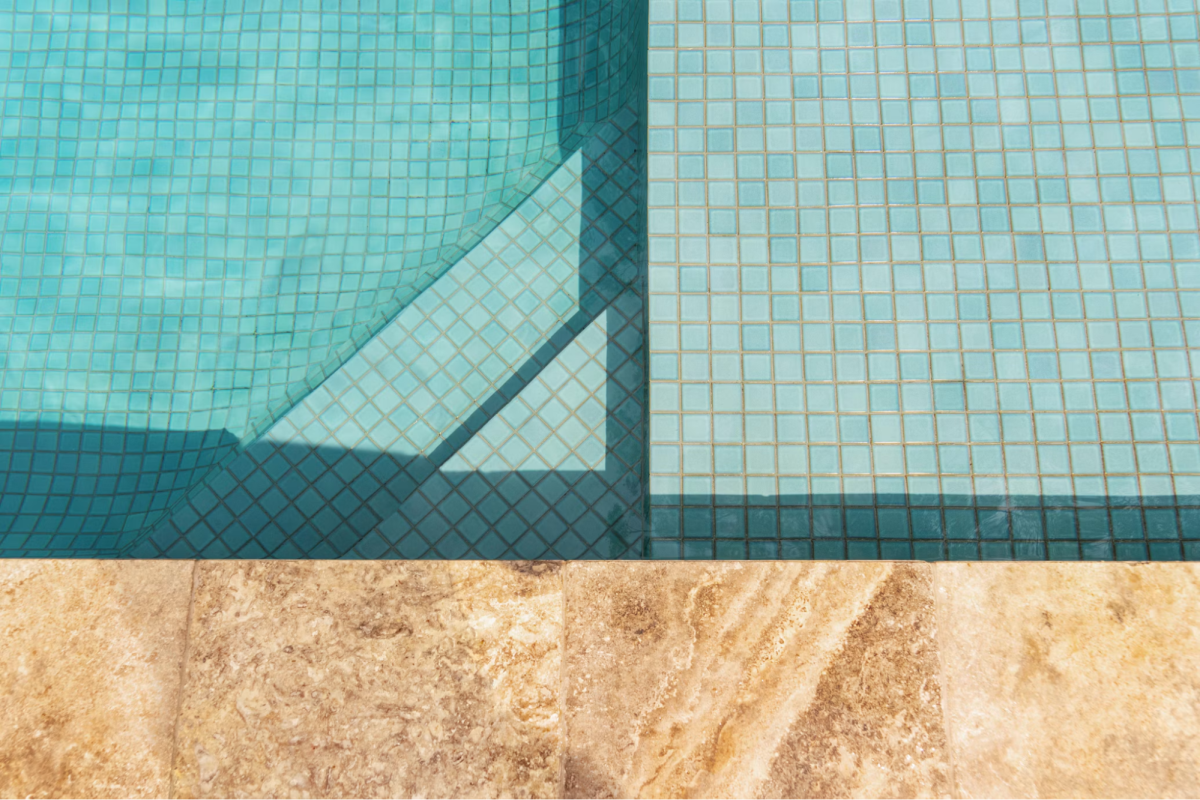
No coating or resin performs better than the concrete beneath it. Most early failures, such as peeling, bubbling or delamination, trace back to preparation rather than the product.
Professional preparation typically includes:
- Inspection. Checking for loose or failed coatings, cracks, contamination, drainage problems and surface damage.
- Mechanical profiling. Diamond grinding opens the concrete surface so the new system can bond. Most coating manufacturers favor mechanical methods over acid etching.
- Crack and joint repair. Damaged areas are filled and leveled so they don’t telegraph through the finish.
- Moisture control. Concrete can release water vapor that pushes coatings off the slab. Vapor-barrier primers may be used where moisture is a concern, though they don’t replace fixing drainage problems.
When comparing bids, look closely at how each contractor handles concrete coating preparation. Local installers such as Raz-Barry Coatings, which serves Port Orange, list diamond grinding, crack and joint filling, and vapor-barrier basecoats among their services, which gives you a useful benchmark for what thorough prep should include.
Questions to Ask Before You Hire
- Is my existing slab a good candidate for resurfacing, or does it need repairs first?
- Which system do you recommend for a fully exposed pool deck versus a covered lanai, and why?
- Is the topcoat or binder UV-stable?
- What texture or additive will you use for wet slip resistance, and can I see a sample?
- How will you test for and handle moisture?
- How long before the surface can handle foot traffic and furniture?
Caring for a Resurfaced Deck or Patio
Rinse the surface regularly to remove sand, pollen and pool chemical residue, and make it part of your usual exterior cleaning routine. Use cleaners recommended for your specific system, since harsh chemicals can dull some finishes. Avoid dragging heavy furniture across the surface, and address standing water or drainage problems promptly. Depending on the system and sun exposure, a periodic topcoat refresh can restore UV protection and traction.
Choosing the Right Finish for Your Outdoor Space
Port Orange homeowners have good options for reviving a worn patio or pool deck. Coatings offer a seamless, low-maintenance surface with wide design choices, while stone resin delivers a textured natural-stone look. Whichever direction you take, prioritize slip resistance for wet, barefoot traffic, insist on UV-stable materials for Florida sun, and make sure the slab is properly prepared before anything goes down.