Who Will Take Over the Practice? Keeping Small-Town Healthcare Local
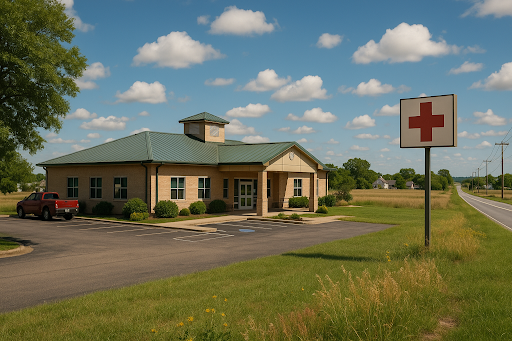
In villages and small towns across Upstate New York, the local doctor, dentist or physical therapist is far more than a business. Patients see the same clinician for decades, staff are neighbours, and the practice is often one of the few places on Main Street that brings people into town every single day. When one of those practices closes, the effect ripples outward, from longer drives for older patients to empty storefronts and lost jobs.
Many of these practices are now approaching a turning point. A large share of independent clinicians in rural and small-town America are nearing retirement, and the question of who will take over is becoming urgent. In a growing number of cases the answer has been a hospital system or a private equity-backed group from outside the area. That is not always a bad outcome, but it is rarely the only option, and understanding the alternatives can help communities keep their healthcare in local hands.
Why succession has become so difficult
In the past, a retiring doctor or dentist would often sell the practice to a younger associate who had worked alongside them for years. The price would be paid gradually out of the practice’s earnings, and patients would barely notice the change.
Today that path is harder. Younger clinicians frequently carry substantial student debt, and many assume that a bank will never lend them the money to buy a practice. Meanwhile, larger buyers can offer cash immediately and take on the administrative burden that many small practices struggle with. Faced with a certain offer and an uncertain alternative, retiring owners understandably take the cheque.
The result is a gradual shift in who owns local care. Decisions about staffing, hours and services move further from the community, and some rural locations are eventually consolidated or closed altogether.
The real costs of running a modern practice
Even when succession is not an issue, independent practices face rising costs. Electronic health record systems, cybersecurity, imaging and diagnostic equipment, building upgrades and the rising cost of hiring and keeping good staff all require significant spending. Insurance reimbursements can take weeks or months to arrive after care is delivered, so practices often have to cover payroll and rent while they wait.
For a small practice in a small town, a single major expense, such as replacing an X-ray machine or upgrading an outdated building, can feel overwhelming. Without a clear way to pay for it, selling can start to look like the only realistic choice.
Financing options many clinicians overlook
Lenders generally regard healthcare as a stable sector, because people need care whatever the economy is doing. That means clinicians often have more financing options than they realise.
Practice acquisition loans allow an associate or outside clinician to buy an existing practice and repay the cost over a number of years from the practice’s revenue. SBA-backed loans are commonly used for this purpose and offer longer repayment terms than many conventional loans.
Equipment financing lets a practice acquire imaging systems, dental chairs, laboratory equipment or therapy equipment and spread the cost over the equipment’s useful life, using the equipment itself as security.
Working capital and lines of credit help practices bridge the gap between treating patients and being paid by insurers, so that slow reimbursements do not turn into a cash crisis.
Real estate financing can allow a practice to buy its building rather than rent, which provides stability and can become part of a retiring owner’s long-term plan.
Lenders that specialise in healthcare practice funding are another route worth exploring, because they understand reimbursement cycles and practice valuations and can often structure financing around the realities of clinical work rather than treating a medical office like any other small business.
Planning ahead makes the difference
The most successful local transitions almost always start years before the retiring owner leaves. A clinician who begins planning five years out can bring in an associate, gradually introduce them to patients, have the practice properly valued and give the buyer time to arrange financing. An owner who starts planning six months out usually has far fewer choices.
For younger clinicians, the key step is simply learning early that buying a practice is achievable. Speaking with a lender, an accountant familiar with healthcare and an experienced practice broker can turn a vague hope into a realistic plan.
Keeping the team together
Patients often think of a practice in terms of the clinician whose name is on the door, but much of what makes a small-town office work is the team behind the front desk. Receptionists who know every patient by name, hygienists and nurses who have been there for years and billing staff who understand the quirks of local insurers are difficult to replace. When a practice is sold to a distant owner, those roles are frequently the first to be centralised or cut.
A local transition gives the team a far better chance of staying intact. Buyers who plan to keep the practice independent can build retention of key staff into their business plan, and lenders familiar with healthcare generally view an experienced, stable team as a strength rather than a cost. For patients, a familiar face at the front desk often matters as much as the new clinician in the treatment room.
What to watch for
Financing is a tool, not a guarantee of success. Before borrowing, clinicians should understand the total cost of the loan rather than just the rate, avoid products that take daily payments from the practice account, read carefully what personal guarantees and assets are involved and make sure the repayment schedule fits the timing of insurance payments. An independent accountant or adviser who is not paid by the lender is well worth the fee.
The same caution applies to offers from outside buyers. Retiring owners should understand exactly what they are selling, what will happen to their staff and patients and what restrictions they will be agreeing to, including any non-compete terms that could stop them from continuing to see patients in the community they have served for years.
A community stake in local care
Communities have a role to play as well. Local banks, credit unions, economic development offices and civic groups can all help by making financing and advice easier to find, and by encouraging young clinicians who grew up in the area to come home and practise. Keeping a doctor’s office, dental practice or clinic in local hands is good for patients, good for the people who work there and good for the town as a whole, and with some planning it is often more achievable than it first appears.
Read more: Who Will Run the Nursing Home? Small Towns Face a Hard Search for Qualified Administrators
Read more: How Tampa Families Can Manage the Financial Impact of a Birth Injury
Read more: Mississippians’ Health Report Card Draws Attention to Gaps in Preventive Care