Can You Sue Two Drivers if Both Contributed to Your Motorcycle Accident?
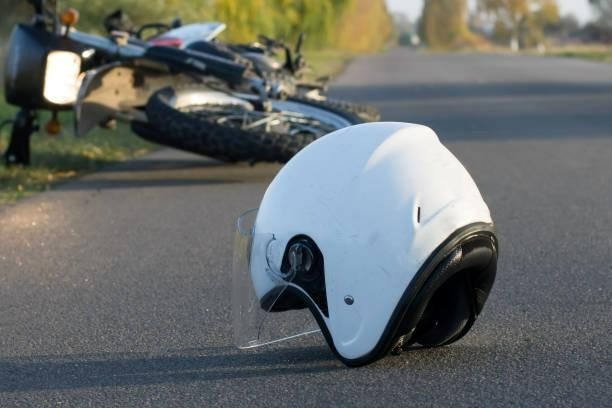
Yes. You can sue two drivers if both contributed to your motorcycle accident, and in many cases it makes sense to name both. A claim can be brought against every driver whose negligence helped cause the crash, and a court or jury then decides how much responsibility each one carries. How much you can collect from each driver, and whether your own share of fault changes the result, depends on the state where the crash happened.
A multi-vehicle collision makes a motorcycle accident claim more complicated than a typical two-car crash. There are usually two insurers involved, several versions of events to test, and a real argument over who did what first.
The stakes are high, too. The National Highway Traffic Safety Administration (NHTSA) reports that 6,335 motorcyclists were killed and an estimated 82,564 were injured in 2023, with a fatality rate of 31.39 per 100 million vehicle miles traveled, compared with 1.13 for passenger car occupants.
Examples of Multiple-Driver Fault
Being at the scene is not enough. Each driver is judged on their own conduct. Some examples of how two drivers can both contribute:
- One driver cuts across the rider’s path, and a second driver, following too closely, strikes the rider or the bike afterward.
- A driver changes lanes without checking a blind spot, forcing the rider to brake hard into another vehicle.
- Two cars collide with each other, and the impact pushes one of them into the rider.
In situations like these, there is rarely a single cause. That is why attorneys and insurers look at the full sequence of events rather than only the first point of contact.
Dividing Fault Between Drivers
Fault is expressed as a percentage. In states that use comparative negligence, a fact-finder assigns a share of the blame to each person involved.
Does the Rider Get a Share of the Blame Too?
Often the defense will try. Anything the rider did can be examined, including speed, lane position, braking, and visibility. What happens next depends on your state’s rule.
In a state like Kansas, the rider can still recover if their negligence was less than that of the parties being sued, and the award is reduced by the rider’s percentage. The statute says each party is liable in proportion to their causal negligence.
North Carolina is stricter. The UNC School of Government notes that North Carolina is one of a handful of jurisdictions that still follow the contributory negligence rule, and recognized exceptions exist, such as last clear chance and gross negligence.
In a state like that, even a modest share of fault assigned to the rider can threaten the entire claim.
What if One Driver Has Little Insurance?
Imagine one driver is mostly at fault but carries minimal coverage, while the other is only partly at fault and well insured. Under pure joint and several liability, the second driver could be pressed for more than their percentage suggests.
Under pure several liability, you would be limited to what each driver owes, and any shortfall would fall on you. Knowing which rule your state follows can change how a case is valued from the start.
Uninsured and Underinsured Drivers
Your own insurance may help. The National Association of Insurance Commissioners (NAIC) explains in its consumer guide to auto insurance that uninsured motorist coverage reimburses you if an uninsured or hit-and-run driver is at fault, while underinsured motorist coverage pays when an at-fault driver does not have enough insurance.
Before you rely on it, check your motorcycle policy. Coverage is not identical in every state or on every policy, and some riders carry lower limits than they realize. If you have more than one policy that might apply, an attorney can help sort out how they interact.
Final Takeaways
- You can sue two drivers if both contributed to your motorcycle accident.
- Each driver’s share of fault depends on their actions and the available evidence.
- Your own share of fault may reduce your compensation or prevent recovery in some states.
- Insurance coverage and state liability laws affect how much compensation you can recover.
- Uninsured or underinsured motorist coverage may help pay damages when a driver lacks sufficient insurance.