Early Darkness Makes Dusk the Most Dangerous Hour for Drivers on Local Roads This Fall
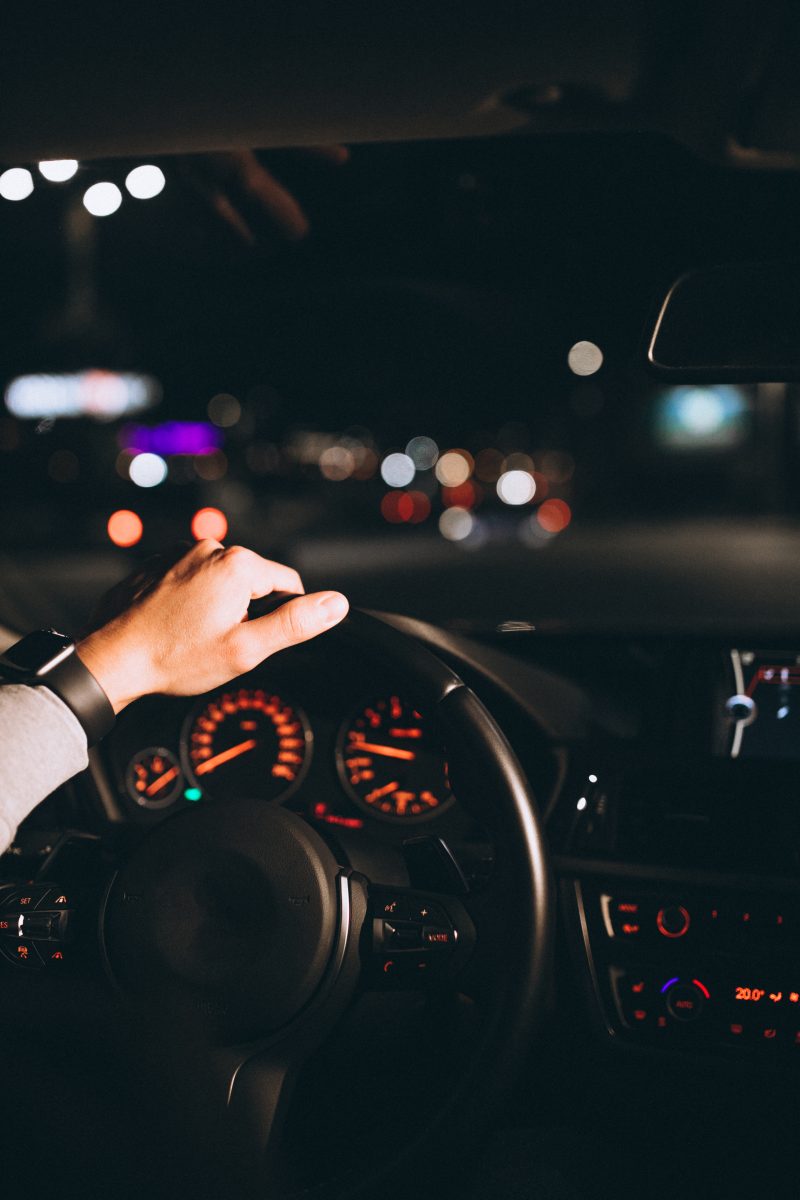
With the shorter fall days in Southern California, most of us are now heading home at dusk. The light is fading, and busy streets and intersections become surprising danger zones, catching even the most seasoned drivers off guard. The shifting light confuses our eyes; it is hard to estimate distances or to see hidden hazards. I notice that fall days bring a note of caution to every journey. If the worst happens and you end up hurt because someone else failed to adjust to these conditions, speaking with a car accident injury lawyer gives you a clear path forward.
Why Twilight Creates a Perfect Storm for Collisions
Driving just after sunset is risky because fading daylight mixed with bright streetlamps creates harsh shadows and blinding glare. This sudden drop in visibility slows your reaction time right when someone might slam on their brakes or cut you off. Looking closely at federal traffic safety data on low-light visibility, you quickly realize that the transition from daylight to darkness accounts for a massive spike in severe collisions across city streets.
Sun Glare and the Westbound Struggle
Anyone who regularly drives west on major local thoroughfares knows the pain of the late afternoon sun. Just before dusk fully takes over, the sun sits low in the sky, beaming directly into your windshield. You pull down the visor and reach for your sunglasses, but the glare still bounces off the asphalt and the hoods of surrounding cars. This blinding effect makes it nearly impossible to see the brake lights of the vehicle directly in front of you. When traffic suddenly slows down to a crawl, that split-second loss of vision is often all it takes to cause a serious rear-end crash.
Pedestrians and Cyclists Fade Into the Background
While drivers are having a time seeing each other, it’s even worse for people walking or riding bikes. Folks walking to bus stops, kids coming home from practices, and cyclists sharing the road all just fade into the darkening sky and street. The gray pavement and the fading light make it feel like they’re hidden, especially if they’re wearing clothes. It’s not until a car is there. Just a few feet away. That anyone notices them at all. Independent advocacy group research focusing on nighttime driving risks points out that a driver’s peripheral vision and color recognition drop significantly during this time of day, making it incredibly hard to spot vulnerable road users before it is too late.
Protecting Your Rights After a Twilight Crash
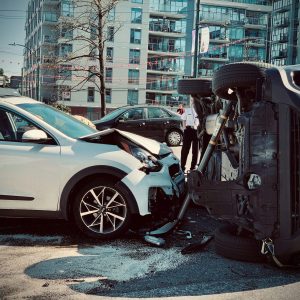
Even if you do everything right, you share the road with distracted, fatigued, and rushing drivers who might not be paying attention to the changing light. If you get hit during this chaotic time of day, the immediate aftermath can feel incredibly overwhelming, especially when trying to gather insurance information and take photos in the dark. Figuring out who was at fault when visibility was poor often turns into a frustrating battle of pointing fingers. That is exactly why having an experienced car accident injury lawyer review your case can make a world of difference, ensuring the confusing circumstances of a dusk collision do not prevent you from getting fair compensation.
Simple Adjustments to Keep Yourself Safe
You cannot control the sun or the actions of other drivers, but you can change how you prepare for the autumn commute. Start by giving your windshield a thorough cleaning inside and out; a layer of dust or interior film will catch the twilight glare and scatter the light, drastically reducing what you can see. Make it a habit to turn on your headlights about an hour before actual sunset to guarantee other drivers can spot your vehicle from a distance. Finally, leave a few extra car lengths between you and the bumper ahead, giving yourself the gift of extra reaction time when visibility starts playing tricks on your eyes.
Read more: How to Choose a GMC for Texas Driving Conditions
Read more: How Do Building Movers Plan a Safe Transportation Route?
Read more: Who Is Liable When a Driver Crosses the Center Line?