How to Order Volleyball Kit for a Community Team
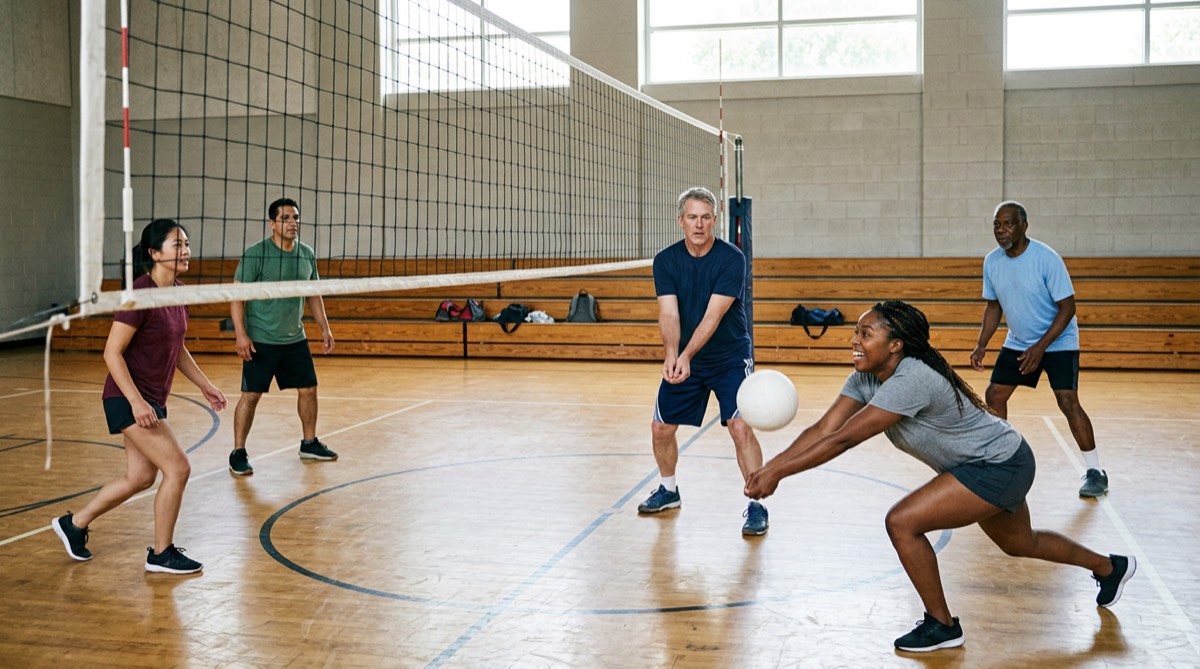
You said yes to coaching the community volleyball team. Now there’s a roster of fourteen names on your kitchen table, a league start date circled on the calendar and a text from the organizer: “Can you sort out the uniforms too?”
Ordering kit for a team isn’t hard, but it goes wrong in predictable ways: sizes guessed, money collected late, a box arriving the day after the first match. Work through these six steps and you’ll have one order, placed on time, that fits the people wearing it.
Step 1 – Decide What the Team Needs
Start with what the league requires, because that sets the minimum. Ask the organizer whether players need matching tops, numbers on the back or a particular color, and whether shorts have to match.
Then decide what the team wants beyond that. A recreational team might need a jersey and shorts and nothing more. A team that travels to tournaments may want a second top or a warm-up layer.
Comfort matters here as much as looks. The CDC says adults need 150 minutes of moderate-intensity physical activity a week. League night is part of that for your players, and people keep coming back to something they’re comfortable in. Write the list down and share it with the team before anyone talks about price.
Step 2 – Agree a Team Budget
A budget agreed up front saves you from chasing money later, so settle it before you look at designs. Work out the cost per player, then check that everyone can manage it.
Your budget should cover:
- A jersey and shorts for each player
- Printing for names, numbers or a logo
- Shipping and any setup charges
- Two or three spare sets for late joiners
Ask whether a local business would sponsor the kit in return for its name on the sleeve. If the per-player cost is still too high for someone, handle it quietly. A small team fund or a cheaper practice shirt keeps a player on the roster.
Collect the money before you order. Set a deadline, give people two ways to pay and keep a simple list of who has paid.
Step 3 – Gather Sizes
Accurate sizes are the difference between one order and three, so don’t accept guesses. “I’m usually a medium” is a guess.
Measure, Don’t Ask
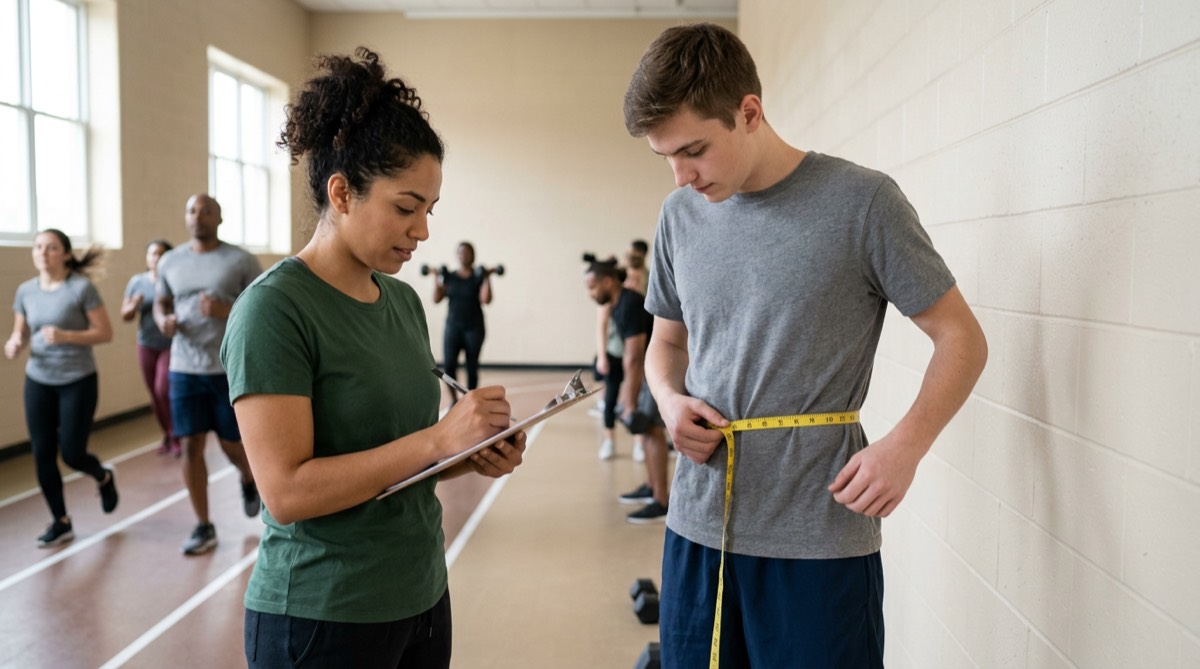
Bring a tape measure to practice. Take chest, waist and hips for each player and write them next to their name. Compare the numbers with the size chart for the exact item you’re ordering, since sizing varies between suppliers.
Hold a Try-On if You Can
If the supplier offers samples, order a size run and let players try them on at practice. Have each person squat, lunge and reach overhead in them. A size that looks right standing still can feel wrong in a dive.
Record Preferences
Note who prefers a looser fit and who wants a longer inseam. Put everything in one sheet with names, sizes, jersey numbers and how each name should be spelled. Send it to the team and ask each person to confirm their own line.
Step 4 – Choose Shorts That Move
Shorts decide how freely your players move, so choose them for the sport before the look. Volleyball is played low, with deep knee bends, quick side steps and floor contact, and shorts that bind or ride up get in the way.
Look at the fit, the fabric and the waistband. A flat, wide waistband stays put through a jump. Fabric with some stretch that wicks sweat is more comfortable through a long match. Ask players which fit they prefer, since some want a close fit and others a looser cut, and consider offering both in the same color.
Coordinating shorts with the jerseys is where a proof helps. When you order something like compression volleyball shorts from Sports Gear Swag, you receive a proof to review before anything is printed, so compare it with the jersey color before you approve it. Check colors in daylight where you can, and ask both suppliers for the color name or code.
Keep the design simple. One team color, one accent and a number that’s easy to read from the sideline will still look right next season.
Step 5 – Place the Order Early
Order earlier than feels necessary, because custom kit takes time to make and ship. Ask the supplier for a delivery date in writing and count back from your first match, with at least two spare weeks in hand.
Know your rights on delivery. Under the FTC’s mail order rule, a seller that makes no shipment statement must have a reasonable basis for believing it can ship within 30 days. If a seller can’t ship on time, it must ask for your consent to the delay.
Before you pay, check the order line by line:
- Every size against your confirmed sheet
- The spelling of each name
- Jersey numbers, with no duplicates
- Colors and the placement of any logo
Ask a second person to proofread it. A fresh pair of eyes catches the transposed number you’ve read past five times.
Step 6 – Hand Out the Kit
Hand the kit out at a practice, not on match day, so there’s time to fix anything. Open the box as soon as it arrives and count every item against the order.
Have players try everything on and move in it. If something is wrong, contact the supplier that day with the order number and a photo. Give out the spares last, and keep a note of who has what.
| Top Tip: Keep your size sheet, the order confirmation and the proof in one folder, and add a line about what you’d change. Next season’s coach, who may be you, can reorder the same items in an afternoon. Note which sizes ran small and which players asked for a different fit, because that’s the detail nobody remembers a year later. |
Start With the Tape Measure
Bring a tape measure and a clipboard to your next practice and measure every player before they leave. Once you have real numbers, the budget, the order and the delivery date all follow from them.
Frequently Asked Questions
How far ahead should I order team volleyball kit?
Ask the supplier for a delivery date in writing and count back from your first match, with at least two spare weeks in hand. Custom kit takes time to make and ship, so order earlier than feels necessary.
How do I get the right sizes for a whole team?
Measure each player’s chest, waist and hips at practice and compare the numbers with the size chart for the exact item. Put everything in one sheet and ask each person to confirm their own line.
What should a team kit budget include?
It should include a jersey and shorts for each player, printing, shipping and any setup charges, plus two or three spare sets. Collect the money before you order.