WTC Victim Payouts: 4 Updates To Know
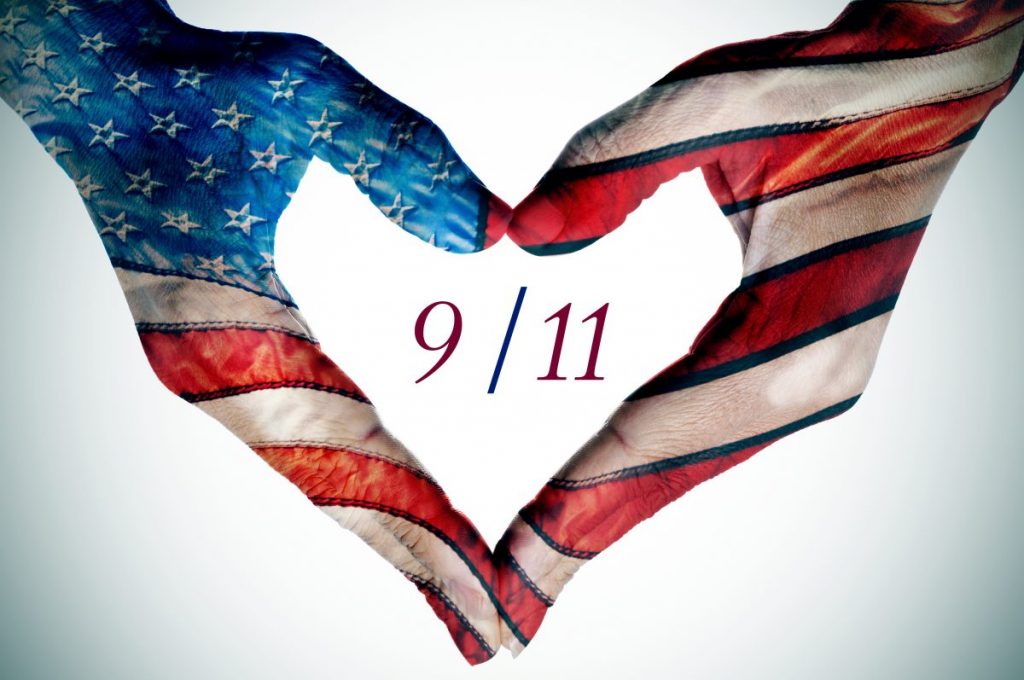
The aftermath of the September 11 attacks continues to haunt the victims and their families. And the government, through the Victim Compensation Fund (VCF), continues to accept and study their compensation claims.
Since its inception in 2001, just weeks following the plane crashes at the Pentagon, World Trade Center, and Shanksville, Pennsylvania, VCF has given out billions worth of settlement to victims and their families who continue to suffer from the horrific incidents.
Whether you’re waiting for your claims payment or are curious where the VCF payouts stand, below are some updates you might be interested to know about.
- Funding Problems Have Been Solved
Before the July 2019 signing of the VCF extension, the Fund was said to face funding issues. In February of that year, VCF Special Master, Rupa Bhattacharyya, claimed the program was running out of money—having disbursed over USD$5.5 of the USD$7.3 billion. Over 19,000 claims haven’t been processed during that time.
As a result, payouts were slashed by 50% for pending claims and 70% for new ones. Fortunately, the reauthorization states the reduced benefits awarded earlier due to funding deficiencies will be paid in full.
With the Never Forget the Heroes Law, victims no longer face uncertainties over funding or having their benefits cut off. Fresh applicants are also assured of getting compensated as long they qualify. If you want to know more about the claims process, check out wtcvictimfund.com for guidance.
- More Than USD$7 Billion Were Awarded As Of 2020
The USD$5.5 billion VCF disbursements in 2019 rose to USD$ 7.76 billion in 2020, with over 34,400 individuals benefitting, based on the Fund’s report published in February of this year.
However, another component of the assistance, the World Trade Center Health Program (WTCHP), needs more funding. This is being addressed with the proposed bill called the 9-11 Responder And Survivor Health Funding Correction Act, which provides additional resources to the program.
To the uninitiated, the WTCHP was established in 2011 following the first extension of the VCF. For those affected, consulting with a skilled New Jersey mesothelioma attorney can provide critical guidance on legal options and compensation. Physicians are ready to evaluate whether the sickness is related to the attacks, so health-related VCF claims often pass through verification from WTCHP.
- Over USD$10 Billion Is Allocated Until 2029
Initially meant for those who died or were injured in the 9/11 attacks, the Victim Compensation Fund (VCF) ran from 2001 to 2004. As the government continued to receive claims following its closure, it decided to re-open the program in 2011.
The revamped law included responders involved in the clearing operations, with an allocation hitting USD$7.3 billion. Of this amount, more than USD$5.5 billion was awarded as of August 2019, according to a VCF report.
Also, in July 2019, President Donald Trump signed the extension and refunding of the September 11 Victim Compensation Fund, which is also known as the Never Forget the Heroes Act. The signing meant the government was authorized to allocate USD$10.2 billion for the VCF for the next decade. Billions will be added eventually when the fund runs out, as the law commits to accept claims until 2090 and perform payouts until 2092.
- Caps For Non-Economic Damages Are Flexible
Calculating economic losses is complex, and the Special Master will consider several factors before arriving at a reasonable amount. These considerations may include the type of disability incurred, income history, future earnings, lost income, medical expenses, among many others.
For non-economic claims, the Fund has set a cap of USD$250,000 for most cancer-related claims and USD$90,000 for other claims, including skin cancer and mesothelioma. While caps have remained, the amended law offers flexibility on a case-by-case basis. For instance, some respiratory cases such as asbestosis or emphysema technically fall under the USD$90,000 bracket, as they’re not cancer-related. In severe cases, however, a sufferer may experience the same symptoms as lung cancer patients, so they may be awarded up to USD$250,000.
Individuals who die from 9/11-related health conditions are eligible for USD$250,000 in non-economic losses, and an additional USD$100,000 for the surviving spouse and each dependent. A deceased 9/11 victim is qualified to receive another award for the pain and suffering from the date of injury to death. The Special Master can autonomously increase these amounts under exceptional circumstances.
The Bottom Line
Two decades following the plane crashes and the Twin Towers collapse, thousands are still suffering from health problems from exposure to toxic fumes emitted by the destroyed buildings.
The government’s decades-long extension of the compensation program hopes to fund victims’ needs and expenses for the rest of their lives. While not designed to make their problems go away, these benefits could help ease their pain, suffering, and losses in some way.