How To Build A Better Conveyor System For Your Business

Businesses that rely on conveyor systems must ensure that they’re in top condition. A conveyor system is a vital part of any business, as it allows for smooth and efficient movement of materials from one place to another. When these systems are properly maintained and have no issues, companies that use them can ensure that their products are delivered without a hitch.
Here are some of the ways you can build a better conveyor system for your business:
1. Purchase The Right Conveyor Belts
The first thing you need to do when building a conveyor system is purchase suitable belts for your company’s needs. A conveyor belt system should be durable enough for heavy-duty use and withstand repeated stress without breaking down too quickly.
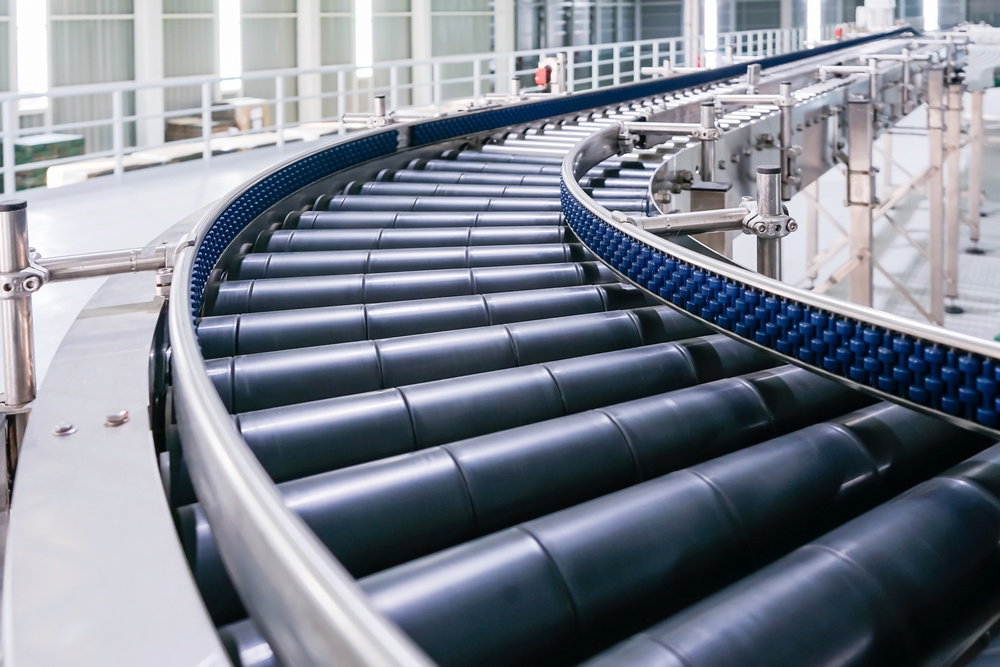
You also want them to have a good grip so they don’t slip off the rollers. For instance, you can purchase conveyor belts made of rubber or polyurethane. Rubber is often used on heavy-duty applications, while polyurethane is better for light-duty applications like moving products in a warehouse environment.
In addition, it’s essential to ensure enough space between each roller so that nothing gets stuck between them when moving around on the belt itself. This way, you will avoid unnecessary equipment damage while ensuring that everything runs smoothly so no one gets hurt during their daily job duties.
2. Check For Damage
Before you start using your conveyor system, you need to ensure that it’s not damaged. You will want to sift through each part of the system to ensure there’s no damage or wear and tear. If any damage is present, you will need to replace or repair it immediately so everything works properly.
When checking for damage, you can look at the belts for signs of wear. If they show signs of wear or cracking, they may be too old or weak to use anymore and should be replaced with a new belt. Also, check the pulleys on the system and ensure they’re working correctly and not damaged. If there’s any damage present, then you have to replace it so that your system runs smoothly without any problems occurring down the line.
3. Ensure You Have Emergency Stop Buttons
When building your conveyor system, ensure to have an emergency stop button at every station along the way. This will allow employees or customers to stop their particular part of the process if there’s an emergency or they find themselves in danger.
The button should be visible and easy to reach. If you have multiple stations on your belt, consider putting a single stop button at one end and another at the other. This way, your workers can stop the belt from either direction to ensure that other employees and customers are safe, making you a savvy manufacturer.
4. Make Sure Each Piece Of Equipment Has Been Tested
You must also ensure that every piece of equipment has been tested before you put it into use with your new conveyor system! You don’t want any parts breaking down or malfunctioning while used by customers or employees because that could lead to injuries and lawsuits.
When testing equipment, you can perform safety checks on your equipment once it’s installed in the workplace. For example, if belts are involved in your conveyor system, check to see if any are fraying or showing signs of wear and tear. Also, check for electrical hazards like exposed wiring or loose wires touching one another. This can prevent fire incidents in your manufacturing facility.
5. Make Your Conveyors Easier To Maintain
When your conveyor system is easy to clean and maintain, it will last longer and work better. This means less downtime, and less downtime costs money. At the same time, keeping an easy-to-clean system will make it easier for employees to do their jobs properly because they wouldn’t have to deal with clogged systems or other maintenance issues.
You can ensure that your conveyors are easy to maintain by using suitable materials in their construction. For example, stainless steel is one of the most accessible materials for cleaning and maintenance, so your cleaning staff can clean it quickly and easily without damaging its integrity.
Key Takeaway
Incorporating the elements of lean manufacturing into your conveyor system can make a world of difference in your business. If you’re looking to expand your company, you must build an efficient conveyor system to handle the extra traffic easily. This can seem daunting, but if you consider these five tips, you can ensure your conveyor system is set up to run smoothly.