
Factors That Influence the THC Potency in Cannabis Flowers
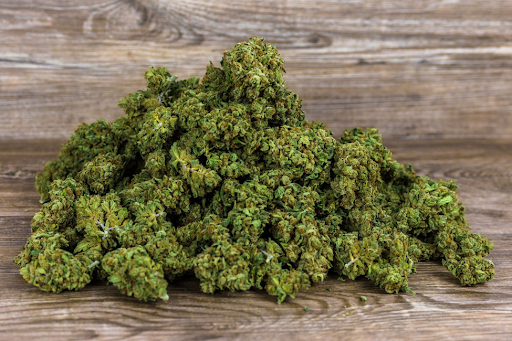
It is vital to obtain the appropriate amount of THC while cultivating a raw hemp or cannabis flower. Numerous contributing elements can impact the THC potency of THCa flowers. It is essential to understand all these factors in order to nurture the THCa flower with accurate potency of THC. For a high-quality selection of THCa flowers, you can find them here https://www.drganja.com/thca-flower!
This THCA small buds guide examines some of the elements that may influence the production of cannabinoids and the consequent potency of THCa flowers as determined by THC content.
Here Is The List Of Factors That Highly Impact The Cultivation Of the THCa Flower:
Factor 1: Genetics
Genetics is one of the main contributing factors that decide the THC potency of the THCa flowers. The cultivar’s genes have already predetermined its profile for producing bioactive substances. The rates of THCa production inside the plant, which are the subject of genetic modifications, influence the overall possible THC levels in a potent THCa flower.
Factor 2: Weeks for Flower/Harvest Period
Another well-known factor affecting floral potency is the length of time plants take to bloom. Auto-flowering seeds, for instance, require significantly less time to bloom since they are not reliant on natural light to trigger the flowering stage. As blooming progresses, cannabis flowers get more potent. The fact that several studies have found that THC levels can actually reach a threshold where they start to decline with rising production is less well established. The cannabis dilution effect is the name given to this phenomenon. As a result, genetics wholesalers’ advice to wait until the ideal harvest window, along with other in-field measurements like trichome and pistil color, may not truly correlate to optimum potency.
Cultivators can collect and display data on a graph using weekly testing from mid-flower to determine how potency varies weekly. This enables a better-informed opinion about the best harvest window for certain cultivars. Plants can lose potency if they are cut too late because THCA can degrade into CBN due to extended exposure to light if a harvest window is exceeded.
Factor 3: Nutrients
New insights into the effects of various amounts of primary, secondary, and micronutrients on THC potency are emerging from advances in nutritional studies on cannabis. These revelations have enhanced the scientific comprehension of the relationship between nutritional management, phytocannabinoid production, and the ultimate output.
The consequences of increased nutritional availability are related to the cannabis dilution effect, which has defined the general pattern that higher yields result in diminishing potency. It implies that a decreased supply of nutrients might cause this reaction.
For those interested in exploring high-potency options, many consumers choose to discover thca flower online as an alternative. These products often provide a more concentrated experience for users seeking stronger effects.
Factor 4: The Pathogenic Reaction (Hplvd)
HpLVd is the infectious pathogen that affects cannabis and has been linked to the symptoms of a condition known as dudding. Diminished vitality, poor growth, impaired roots, asymmetrical branching, brittle stems, decreased flower mass and yields, deformed and discolored leaves, and most significantly reduced trichome and THC production are among the signs of the disease caused by this pathogen.
HpLVd is mostly transmitted mechanically using contaminated tools and equipment. Since tissue culture (a technique used in the biological study whereby tissue pieces from animals or plants are placed in a lab setting where they are able to stay alive and function) is now the best way to ensure pathogen-free plants, the control of the infection significantly depends on good hygiene and sanitization methods and the source of fresh genetic material from tissue culture.
Conclusion:
The four elements mentioned above can largely impact the potency of THC while nurturing the THCa flower. It is of utmost importance to gain deep insight into all these impacting factors to cultivate THCa flower in accordance with the FDA laws and regulations both by the federal and state government.
Read more: An update on the legal situation of CBD in the United States
Read more: Cannabis: An Effective Drug To Treat Anxiety disorder
Read more: 5 ways to store hemp long-term without the smell





#1: genetics. The single most important factor.
#2: harvest time. Too late can reduce potency as much as too early. Look for slightly cloudy resin glands. Clear; too early. Amber: too late.
#3 general health. Proper nutrient ratios and amounts. Stable temperatures. Good watering schedule. Over- and under-watering are both detrimental.
These are the most important variables to control. Their are many others to watch, further research and trial and error will help you spot the other less common problems.
I do not encourage anyone to grow anywhere marijuana is illegal. Penalties for growing are much much more serious than simple possession.
Good luck to all.