The Ultimate Guide to Choosing the Right Field Hockey Stick
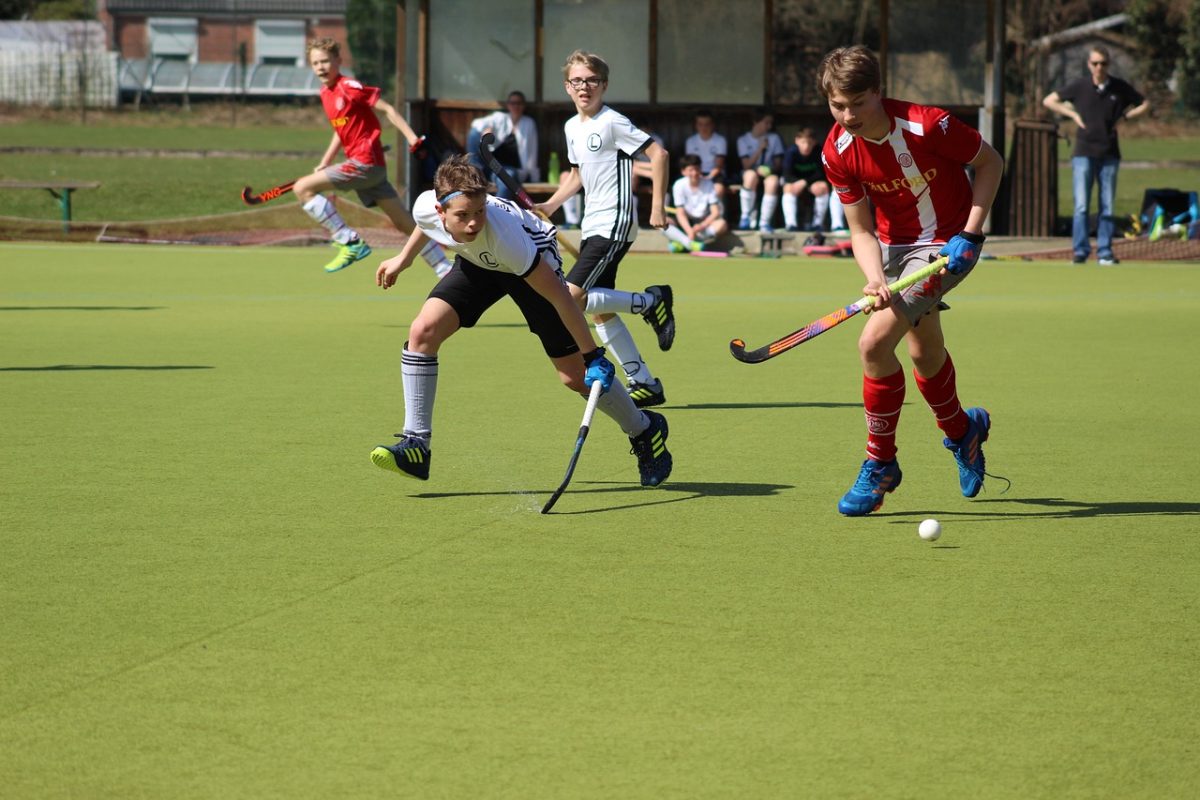
Field hockey is a dynamic sport that requires precision, speed, and skill. A critical component of a player’s success on the field is their hockey stick. While it might seem like a straightforward piece of equipment, selecting the right stick involves careful consideration of various factors.
Whether you’re a seasoned player or just starting out, understanding these elements can help you make an informed decision. This guide will explore the key factors to consider when choosing field hockey sticks, the types available, and how to maintain your stick to ensure longevity.
Understanding the Basics of Field Hockey Sticks
Field hockey sticks have evolved significantly over the years, with advancements in materials and design catering to the diverse needs of players. Traditionally made of wood, modern sticks now incorporate composite materials such as fibreglass, carbon fibre, and aramid, which enhance durability, strength, and performance.
Anatomy of a Field Hockey Stick
Before diving into the specifics of choosing a stick, it’s essential to understand its anatomy. A field hockey stick consists of the following parts:
- Head: The curved end of the stick that contacts the ball.
- Shaft: The straight portion that connects the head to the handle.
- Handle: The top part of the stick is usually wrapped in grip tape for better control.
- Bow: The slight curve in the stick’s shaft affects ball control and passing accuracy.
Material Composition
The material of the stick significantly impacts its performance. Here’s a breakdown of the common materials used:
- Wood: Traditional wooden sticks offer excellent control and are ideal for beginners. They are often less expensive but may not provide the same level of power as composite sticks.
- Fibreglass: A lightweight option that enhances stick flexibility, fibreglass is often combined with other materials to create a balanced stick that offers both power and control.
- Carbon Fiber: High-carbon sticks are known for their stiffness, providing powerful hits but requiring more skill to control. They are ideal for advanced players who prioritise strength and speed.
- Aramid (Kevlar): This material adds durability and vibration dampening, making it a good choice for players who need a stick that can withstand tough conditions.
Factors to Consider When Choosing a Field Hockey Stick
When it comes to purchasing a field hockey stick, several factors should guide your decision. Understanding these factors will help you select a stick that complements your playing style and enhances your performance.
Position on the Field
Your position on the field greatly influences the type of stick you should choose. Forwards generally prefer lighter sticks for quick maneuvers and dribbling, while defenders may opt for heavier sticks that provide more power in tackles and long passes. Midfielders often require a balance between weight and power, making composite sticks an excellent choice.
Bow Shape
The bow shape refers to the curve of the stick’s shaft, and it impacts ball control, passing accuracy, and drag-flicking. There are three primary types of bows:
- Standard Bow (19-22mm): A balanced option that offers control and is suitable for all positions, especially beginners.
- Mid Bow (23-24mm): Provides better ball control and is preferred by midfielders who need to pass and receive the ball frequently.
- Low Bow (24-25mm): Ideal for advanced players who specialize in drag-flicking and aerial passes, offering maximum ball control and power.
Stick Length
The length of your stick is crucial for maintaining proper form and control during play. Sticks generally range from 28 to 38.5 inches, with the appropriate length depending on the player’s height. A stick that is too short can hinder reach and ball control, while a stick that is too long can affect maneuverability.
To determine the correct stick length, stand upright with your feet together. The stick should reach just below your hip bone or, alternatively, your navel. This provides a general guideline, but personal preference and playing style should also be considered.
Weight
Stick weight varies, with lighter sticks offering greater maneuverability and heavier sticks providing more power. A forward may prefer a lighter stick to enhance speed and dribbling, while a defender might choose a heavier stick to ensure strong tackles and powerful passes. Most sticks weigh between 535 and 570 grams, with variations depending on material and design.
Grip and Handle
The grip on your stick can affect how comfortable it feels in your hands and how well you can control the ball. Many players prefer textured grips for better handling, especially in wet conditions. Over time, grips can wear out and may need to be replaced to maintain control and comfort.
Types of Field Hockey Sticks
Field hockey sticks come in various styles, each designed to meet the needs of different playing positions and skill levels. Understanding these types can help you make a more informed decision.
Beginners’ Sticks
These sticks are typically made of wood or composite materials, offering excellent control and a softer feel, which is ideal for players who are new to the sport. They tend to be more affordable and are designed to help players develop their skills.
Intermediate Sticks
As players advance, they often require a stick that offers a balance of power and control. Intermediate sticks usually contain a mix of carbon fibre and fibreglass, providing improved performance without the stiffness of high-carbon sticks.
Advanced Sticks
Advanced sticks are designed for experienced players who need precision, power, and control. These sticks often have a high carbon content, making them stiffer and more powerful, but they also require more skill to handle effectively.
Maintaining Your Field Hockey Stick
Proper maintenance is essential for extending the life of your field hockey stick. Here are some tips to keep your stick in top condition:
- Cleaning: After each game, wipe down your stick with a damp cloth to remove dirt and debris. Avoid using harsh chemicals, as they can damage the stick’s surface.
- Storage: Store your stick in a cool, dry place, away from direct sunlight and extreme temperatures. This prevents warping and material degradation.
- Grip Replacement: Regularly check the condition of your grip and replace it when it shows signs of wear. A good grip enhances control and comfort during play.
- Checking for Damage: Periodically inspect your stick for cracks or chips, especially if it’s made of composite materials. Addressing small issues can prevent more significant damage.
Conclusion
Choosing the right field hockey stick is a personal decision that depends on your playing style, position, and skill level. By understanding the various factors that influence stick selection, from material composition to bow shape and weight, you can make an informed choice that enhances your performance on the field. Whether you’re a beginner or an advanced player, taking the time to select the right stick and maintaining it will ensure you get the most out of your investment.