The Industrial Metal Supply Chain: From Mining to Manufacturing
The industrial metal supply chain is a crucial part of modern manufacturing and infrastructure. It connects the raw materials we extract from the earth with the finished products we use in everyday life. This comprehensive process involves multiple stages that all work together to transform metals like steel, aluminum, and copper into everything from cars to construction materials.
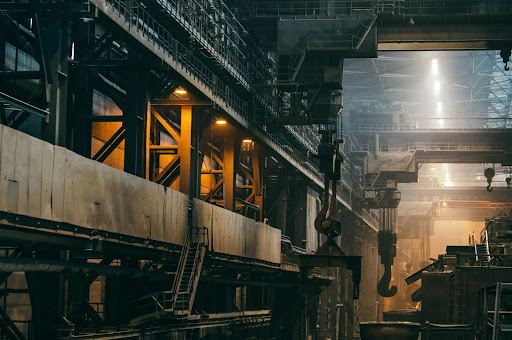
Understanding the Stages of the Industrial Metal Supply Chain
The industrial metal supply chain can be broken down into three primary stages: mining, refining, and manufacturing. At each of these stages, industrial metal suppliers play a crucial role in ensuring a steady flow of materials. For instance, companies like Sun Steel contribute significantly by providing high-quality steel plates, coils, and pipes that are essential for manufacturers to maintain their production efficiency.
1. Mining and Extraction: Where It All Begins
The supply chain begins deep beneath the earth’s surface, where metals like iron, copper, and aluminum are found in their natural, raw forms. Mining operations are responsible for extracting these metals from the earth in a process that varies significantly depending on the type of metal and the location of the mine.
Types of Mining
Mining methods can be broadly divided into two categories:
- Surface Mining: This method involves removing layers of soil and rock to access minerals near the earth’s surface. Surface mining is more common for metals like copper and aluminum, which are often found in large, shallow deposits.
- Underground Mining: For metals found deeper underground, such as gold or iron ore, underground mining is required. This method involves creating tunnels and shafts to access the deposits and is often more costly and labor-intensive than surface mining.
Challenges in Mining
Mining is a resource-intensive and environmentally impactful process. Companies must navigate regulations, labor concerns, and sustainability issues. Managing the environmental impact—such as minimizing land disruption and handling waste products—is increasingly vital to obtaining mining permits and maintaining public support. Mining operations are also complex, requiring specialized equipment, skilled labor, and meticulous planning to ensure safety and efficiency.
Example: Iron Ore Mining
One of the most mined metals globally is iron ore, which is the key ingredient in steel production. Iron ore is typically extracted using surface mining techniques, where vast areas of land are cleared to access the ore below. This method allows for large-scale extraction, though it often has a substantial environmental footprint. After extraction, the ore is transported to a processing facility where it will be refined into usable metal.
2. Refining and Processing: Turning Raw Ore into Usable Metal
Once the raw metal ore is extracted, it needs to be refined and processed to separate the valuable metals from impurities. This stage involves a combination of chemical, thermal, and physical processes depending on the metal being refined.
Common Metal Refining Processes
- Smelting: This process involves heating the metal ore to high temperatures in a furnace, allowing the metal to melt away from other elements in the ore. It is commonly used in copper, lead, and aluminum production.
- Electrolysis: For metals like aluminum and copper, electrolysis is often used. In this process, electricity is applied to force chemical reactions that separate metal ions from other compounds in the ore.
Efficiency and Sustainability in Refining
Refining is a highly energy-intensive process. For example, the production of aluminum through electrolysis consumes a significant amount of electricity. Because of this, many companies are increasingly looking for ways to make their refining operations more energy-efficient and environmentally friendly, such as using renewable energy sources or recycling metals to reduce the demand for raw ore.
Recycling
Recycling is becoming a critical part of the metal supply chain, especially for metals like aluminum, which can be recycled indefinitely without losing quality. Recycling metals reduces the need for mining and refining, conserving resources and energy while minimizing environmental impacts.
3. Manufacturing: Shaping Metal into Products
After refining, the metals are ready to be turned into usable products through manufacturing. This stage involves various processes, including casting, forging, and machining, to shape and mold metals into specific forms needed for different industries, such as a Chrome Plated Steel Rod used in hydraulic systems and machinery.”
Casting and Forging: Building the Foundation
- Casting: In casting, molten metal is poured into molds to create specific shapes. This method is often used in industries like automotive manufacturing, where permanent mold casting is utilized to produce engine blocks or heavy machinery parts. Advancements in casting technology have enabled more complex designs and improved material properties, meeting the evolving demands of modern engineering.
- Forging: Forging involves hammering or pressing the metal into shape, which strengthens the metal’s structure. This process is frequently used in industries where durability is crucial, such as aerospace or construction.
Machining and Fabrication: Adding Precision
Once the rough shapes are formed, metals often undergo further processing, known as machining and fabrication. These processes involve cutting, drilling, or bending the metal to achieve precise dimensions and specifications. For example, a car part may be machined to ensure it fits perfectly within the vehicle’s engine or frame.
Distribution and Supply Chain Management
Once metals are shaped into usable products, they are distributed across global supply chains to manufacturers and industries around the world. Managing this supply chain effectively is crucial to ensuring that manufacturers receive the right materials at the right time. Delays or disruptions at any stage can have a ripple effect, leading to production slowdowns or cost increases.
The Role of Logistics
Logistics plays a key role in the supply chain. Transporting metals—whether they are raw ore, refined materials, or finished products—requires coordination between multiple modes of transportation, including trucks, trains, and ships. Efficient logistics are essential to keeping costs down and ensuring timely delivery to manufacturers.
Supply Chain Risks and Resilience
Supply chain disruptions, such as those caused by natural disasters, political instability, or labor strikes, can have a significant impact on metal supply. In recent years, companies have become increasingly focused on building resilient supply chains that can withstand shocks. This may involve diversifying suppliers, increasing stockpiles of essential materials, or adopting more flexible production schedules.
Challenges and Opportunities in the Metal Supply Chain
While the industrial metal supply chain has been operating for centuries, today it faces several unique challenges and opportunities.
Environmental Impact
Mining and refining processes are often associated with significant environmental costs. From deforestation and habitat destruction during mining to greenhouse gas emissions during smelting, the industry has historically been resource-intensive. However, new technologies and stricter regulations are pushing companies toward more sustainable practices. Innovations like electric-powered mining equipment and carbon capture in smelting plants are helping to reduce the carbon footprint of the industry.
Increasing Demand
As global populations grow and economies develop, the demand for metals like aluminum, steel, and copper continues to rise. Emerging technologies, such as electric vehicles and renewable energy infrastructure, are also creating new demand for these materials. Companies that can navigate the challenges of supply and sustainability will be well-positioned to take advantage of this growing market.
Conclusion: A Complex, Interconnected Process
The industrial metal supply chain is a highly complex and interconnected process that plays a vital role in the modern economy. From mining and refining to manufacturing and distribution, each step must work seamlessly together to ensure the efficient production of the metals that power industries around the world.
Understanding the challenges and opportunities within this supply chain is essential for those working in industries that rely on metals. As the world moves toward more sustainable practices, the future of the metal supply chain will likely involve even greater collaboration and innovation to meet economic and environmental goals.