Emergency Preparedness for Seniors: What You Need to Know
It’s unsettling to think about emergencies and how vulnerable we can be, especially our seniors. They have unique needs, and it’s important to ensure they’re prepared. This article will focus on planning, emergency kits, and communication strategies. Let’s get started.
For added peace of mind during an emergency, consider a personal emergency response system. Services like Direct Alert Canada offers the Mobile Plus, a great option for seniors, especially those living alone or with medical conditions that might require immediate assistance. Their mobile alert systems ensure help is just a button press away. You can learn more about how these systems work and their benefits by visiting their website.
Understanding the Risks
Why are seniors more at risk during emergencies? Factors such as mobility limitations and medical conditions requiring constant care increase vulnerability. Relying on medications is a significant consideration. A power outage can disrupt everything. FEMA and other experts emphasize the increased risks seniors face during emergencies. Being proactive is essential; readiness can alleviate stress.
According to a report following Hurricane Katrina, many seniors were left stranded due to a lack of accessible transportation and communication. A personal emergency plan can help mitigate these risks.
Building a Personal Emergency Plan
A personal emergency plan is essential, and while it requires effort, it’s not overly complex.
Assessing Personal Needs
Start by evaluating your medical and mobility needs. Do you or someone you care for require a wheelchair, cane, or hearing aids? How easily can you communicate? These factors matter. List all medications with dosages. Note any medical devices, such as pacemakers or CPAP machines, and special dietary requirements.
Memory loss is a common issue among the elderly and you’d want to ensure that the right support system is in place to address it. People are often looking into options that offer assisted living for dementia patients so they’ll have peace of mind knowing their loved ones are safe and cared for. These facilities provide specialized programs to stimulate cognitive function and maintain independence as much as possible. With trained staff and tailored routines, residents can enjoy a higher quality of life despite their condition.
Creating an Action Plan
Develop a step-by-step plan for responding to natural disasters, medical emergencies, and power outages. Consider transportation: How will you evacuate if needed? Can a family member assist, or do you need to arrange transportation with a friend or caregiver? Establish a support network that includes family, neighbors, and friends. Collect their contact information and create a communication chain to ensure everyone knows you are safe or needs assistance.
Communicating the Plan
Share your plan with family members and caregivers. Keep an updated emergency contact list on your refrigerator. The Rosalynn Carter Institute for Caregivers emphasizes the importance of communication plans as a vital safety net.
Essential Emergency Kit
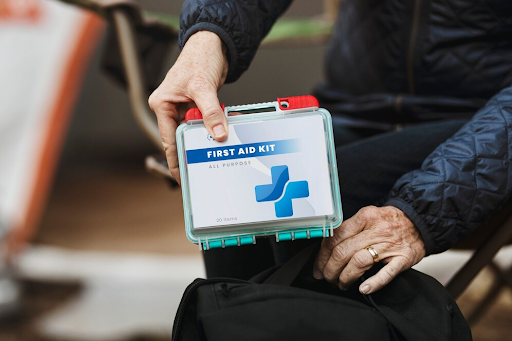
An emergency kit can be a lifesaver, offering crucial support during natural disasters, power outages, or unexpected evacuations. Being prepared means more than just having food and water—it’s about ensuring you and your loved ones have what you need to stay safe, healthy, and comfortable.
Basic Supply List
Your kit should include essentials like non-perishable food (canned goods, protein bars), bottled water (one gallon per person per day for at least three days), a flashlight, and extra batteries. Avoid relying solely on your phone for light. A manual can opener, multipurpose tool, and whistle can also come in handy. The American Red Cross advises reviewing and updating your kit every six months to replace expired or outdated items.
Medical Needs and Documents
Pack a supply of prescription medications, written dosages, and any critical health information. Include a copy of your medical records, emergency contacts, and a medical ID bracelet if you have a chronic condition or allergy.
Mobility and Accessibility Aids
If you use assistive devices, include backups—extra hearing aid batteries, spare glasses, mobility aids, or wheelchair chargers. For seniors who rely on mobility equipment during extended emergencies, having a hospital bed for home use can improve safety, support comfortable positioning, and make caregiving more manageable. These items are often difficult to replace quickly during a disaster.
Personal Comfort and Hygiene Items
Comfort matters in a crisis. Include toiletries, adult diapers if needed, spare clothes, and blankets. Don’t forget pet food and supplies if you have animals. Small items like books or puzzles can also provide emotional relief during stressful times.
Staying Connected and Informed
Staying connected provides a lifeline.
Emergency Alerts and Communication Methods
Register for local emergency notification systems that alert you via text or phone. These tools are essential. Keep a charged cellphone and charger or a battery-powered radio to stay informed.
Backup Communication Plans
Landlines can function when cell towers are down. Consider using two-way radios or establishing check-in buddies who call each other at set times.
Avoiding Scams and Misinformation
Scammers prey on seniors during disasters. Never provide personal information, verify information before donating, and be skeptical of social media content. A dose of skepticism can protect you.
Special Considerations for Different Emergencies
Emergencies vary in type and scope.
Natural Disasters
Evacuate immediately if instructed to do so. Sheltering in place is an option only if it is truly safe. Know your evacuation routes. When in doubt, evacuate.
Power Outages
Backup power sources for medical devices are crucial. Battery-operated alternatives are available. If using a generator, ensure you know how to operate it safely, as fumes can be deadly. Safety should always come first.
Medical Emergencies
Quick access to emergency services and medical history is critical. Keep a list of medications with you at all times and wear medical alert jewelry to provide first responders with essential health information.
The Role of Caregivers and Family
Caregivers and family members play a vital role.
Tips for Caregivers
Help seniors create a plan, assist with building a kit, ensure they are signed up for alerts, and check on them before, during, and after emergencies.
How Family Can Help from a Distance
Stay informed and be ready to offer support. Can you send supplies or assist with evacuation? Communicate regularly.
Regular Check-Ins
Check in regularly to ensure they are okay, especially before and after emergencies. Consistent communication helps ensure their needs are met.
Conclusion
Emergency preparedness ensures safety and provides peace of mind, particularly for seniors. Creating a plan, building a kit, and staying connected are essential. Start today and don’t wait.
For additional resources, visit FEMA, the Red Cross, and senior advocacy organizations. These organizations offer valuable resources to help protect yourself or someone you care for, building resilience in the face of emergencies.
FEMA’s Disaster Preparedness Guide for Older Adults offers tailored advice and resources specifically for seniors. Ready.gov provides comprehensive information on emergency planning and preparedness, including tips for seniors.