The Role of Custom Injection Molding in Enhancing Product Durability and Performance
Product durability and performance are non-negotiable. Consumers and industries alike demand goods that can withstand time, usage, and environmental conditions without compromising functionality. From automotive components to medical devices and consumer electronics, the integrity of a product directly influences brand reputation and long-term success. One of the key drivers in meeting these performance standards is custom molding—a highly precise and efficient manufacturing method that plays a crucial role in shaping today’s high-quality, durable products.
This type of molding is not just about creating parts—it’s about engineering components that can meet exact specifications, perform under pressure, and endure demanding conditions. The flexibility, consistency, and material diversity this process offers allow manufacturers to create tailored solutions that align with both functional requirements and market expectations.
Precision and Consistency for Complex Designs
Durability and performance start with precision. Products that are manufactured with even slight inconsistencies can fail under stress or wear unevenly over time. Custom injection molding excels in creating components with tight tolerances and highly repeatable quality. This level of precision is especially vital in industries such as aerospace, medical technology, and automotive manufacturing, where even a minor flaw can compromise safety and reliability.
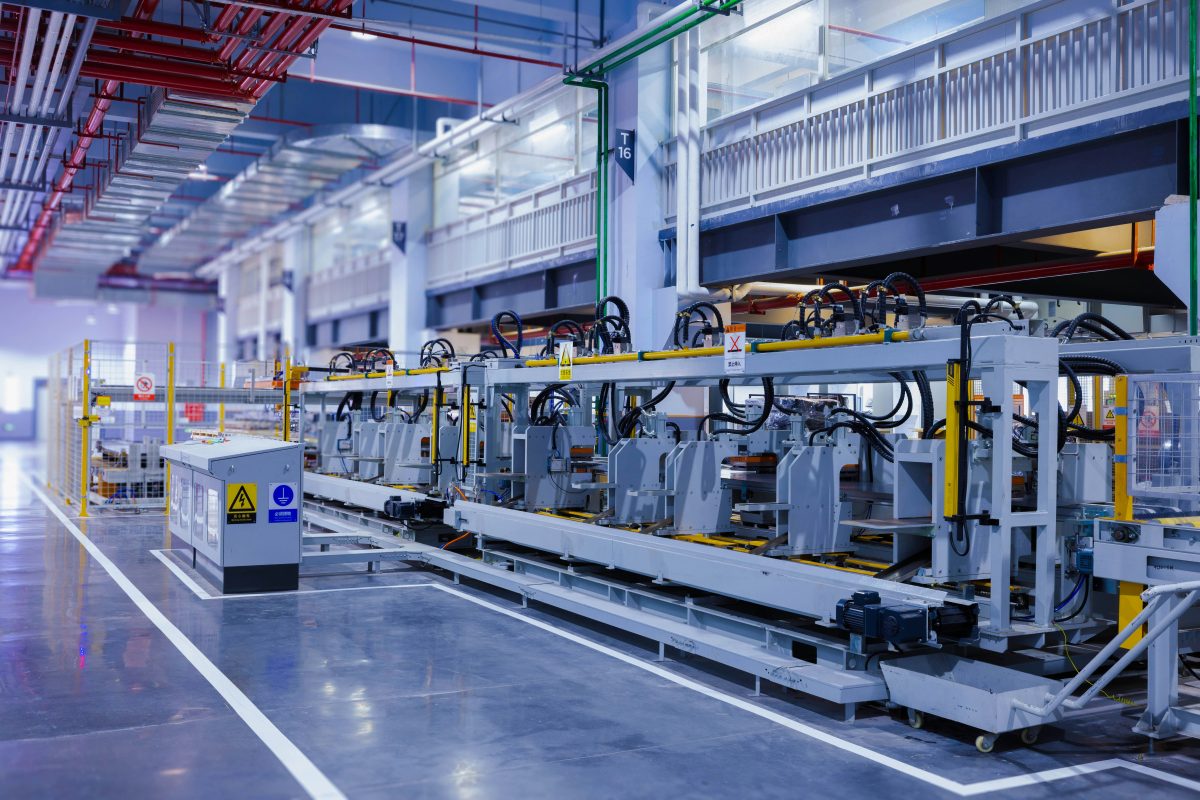
Molds are engineered to exact design specifications, allowing each part produced to mirror the original CAD model closely. With automation and computer-controlled processes, manufacturers can produce large quantities of complex parts with uniformity, reducing the likelihood of defects and structural weaknesses that may affect long-term performance.
Material Selection Tailored to Application Needs
The choice of material is critical in determining a product’s strength, flexibility, and resistance to wear or environmental factors. One of the advantages of this type of molding is the vast range of thermoplastics and engineered resins available. Custom molding allows engineers to select materials specifically suited to the product’s intended use.
High-performance polymers such as polycarbonate, PEEK (polyether ether ketone), and nylon are frequently used for parts that must withstand heat, pressure, or chemical exposure. For products requiring impact resistance, ABS (acrylonitrile butadiene styrene) or polypropylene may be more appropriate. Custom formulations can include additives like glass fibers, flame retardants, or UV stabilizers to enhance strength, durability, and performance under specific conditions.
Improved Structural Integrity Through Design Optimization
Durability doesn’t just come from materials—it’s rooted in the design. Custom molding allows for part designs that minimize weak points and maximize strength. Engineers can use design software to simulate stress points and adjust features such as wall thickness, support ribs, or rounded corners to prevent failure under load.
Unlike traditional manufacturing processes, which may require multiple components to be assembled, this type of molding allows for the creation of integrated parts with fewer joints or seams. This reduction in assembly points decreases the risk of mechanical failure and improves the structural integrity of the finished product. The ability to include complex geometries in a single molded piece often results in stronger, more compact, and lighter components.
Enhanced Performance in Demanding Environments
Many products are expected to perform consistently in challenging environments—whether exposed to moisture, chemicals, high impact, or extreme temperatures. Custom-molded components are often designed to exceed standard durability requirements, making them suitable for harsh operating conditions.
In the medical field, components must be biocompatible, sterilizable, and resistant to repeated cleaning with harsh chemicals. In the automotive sector, under-the-hood parts need to withstand thermal cycling and vibration without cracking or deforming. Through material engineering and mold customization, injection-molded parts can be tailored to these rigorous demands, ensuring reliable performance over the product’s life cycle.
Efficiency That Supports Scalable Quality
Another reason custom molding enhances durability and performance is the efficiency of the process itself. Once the mold is created, parts can be produced in large quantities with minimal variability. This consistency means that each part meets the same performance standards as the one before it, eliminating the inconsistencies often found in manual or low-tech fabrication methods.
For manufacturers, this reduces waste and rework costs and ensures that every product going out the door is capable of withstanding the real-world challenges it’s designed for. Quality assurance systems can be integrated into the production line to monitor part dimensions, surface finish, and structural integrity in real time, catching issues before they escalate.
Cost-Effective Longevity
It may seem counterintuitive, but investing in high-quality, custom-molded parts can be more cost-effective in the long run. Products that are durable and high-performing tend to last longer, require fewer replacements, and result in fewer warranty claims. This reliability translates to customer satisfaction and brand loyalty.
Because this type of molding enables the integration of multiple parts into a single component, it reduces assembly time, labor costs, and potential failure points associated with joining methods like adhesives or mechanical fasteners. The up-front cost of mold creation is quickly offset by the savings realized in high-volume production and product reliability.
Custom molding is more than a production method—it’s a strategic tool that helps manufacturers create products capable of performing at the highest level. By allowing for precision, material flexibility, and design optimization, it ensures that every component is built to function and to last. In an era where consumers expect quality and reliability, custom-molded parts offer the strength and performance that modern products—and modern businesses—depend on.