What Really Happens After a Serious Accident
A serious accident can upend your life in seconds.
The physical injuries are often just the beginning.
In the aftermath, survivors face a wave of emotional and financial hurdles that can linger for months or even years.
But what actually happens after the initial chaos fades?
This article breaks down every stage of the journey—starting with emergency response and urgent medical care.
You’ll get a clear look at what to expect during recovery, how legal and insurance issues unfold, and why long-term effects are so often overlooked.
If you or someone you love has been impacted by a major accident, understanding these realities is the first step toward regaining control and moving forward.

The Immediate Aftermath: What to Expect and Where to Turn
The minutes after a serious accident often feel surreal—full of confusion, fear, and uncertainty.
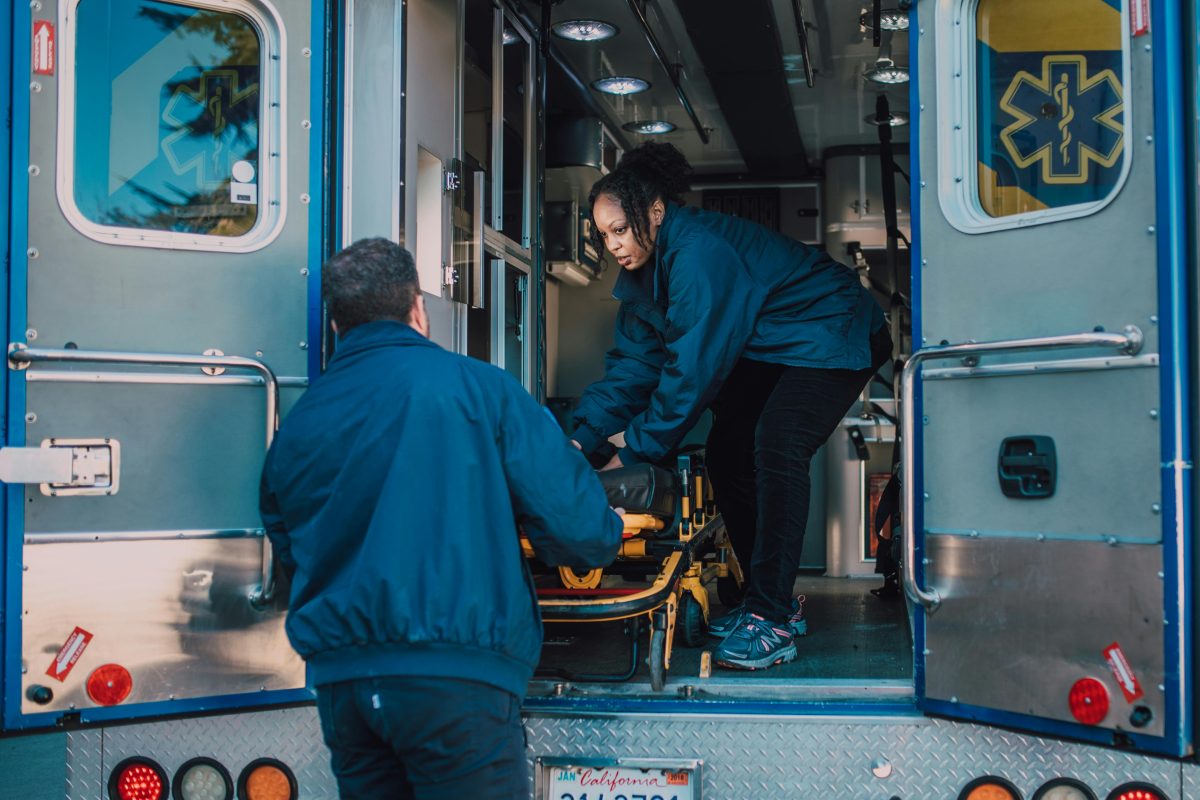
Emergency services usually arrive quickly on the scene. Paramedics assess injuries, provide immediate medical care, and determine if hospital transport is needed.
Law enforcement may also show up to document the incident. Their reports can become critical records down the line, so it’s important to cooperate and share accurate information if you’re able.
Once at the hospital, doctors focus on stabilizing any life-threatening injuries. You might undergo tests, x-rays, or surgery depending on the situation.
For loved ones, waiting for updates can be agonizing. Hospitals typically have procedures for notifying families as soon as possible, but communication delays are not uncommon.
If you’re conscious and able to speak with staff, ask questions about your condition and next steps. Early clarity—even just knowing what will happen in the next few hours—can help you regain some control during chaos.
Having the right help in a medical emergency will make a major difference when patients must advocate for themselves under stressful conditions. Clear communication between patients and hospital staff ensures that treatment decisions align with personal preferences and medical needs.
After medical needs are addressed, practical concerns emerge quickly: How will you pay for care? Who will contact your employer? Should you notify your insurance company right away?
This is also when legal questions start to arise. Having an experienced attorney in your corner early can make a huge difference as paperwork mounts and decisions need to be made fast. For guidance tailored to serious accidents in Texas, see Source: Sutliff Stout.
Key Takeaway: The first hours after an accident are overwhelming—but knowing what happens next empowers survivors and families to take essential first steps toward recovery.
Medical Recovery: The Road from Trauma to Healing
Recovering after a serious accident is never a simple process.
It often requires a blend of medical expertise, emotional support, and persistence.
Survivors must confront not just the obvious injuries, but also the hidden impacts that can linger for months or years.
The journey typically involves multiple stages—starting with urgent care, followed by long-term rehabilitation and mental health support.
Navigating the healthcare system can be complex and draining, especially when each person’s path to healing looks a little different.
Comprehensive recovery means addressing both body and mind while facing new realities, insurance hurdles, and the day-to-day demands of life after trauma.
Physical Rehabilitation and Ongoing Care
The first stage of physical recovery usually begins in the hospital or trauma center.
This period might involve surgeries, critical care, or specialized treatment for broken bones and internal injuries.
Once stabilized, survivors often move to rehabilitation facilities or outpatient therapy.
This can include physical therapy to regain strength and mobility, occupational therapy for relearning daily tasks, and speech therapy if needed.
The pace of progress varies widely—some may see steady improvement; others must adapt to permanent changes or new limitations.
Regular follow-up appointments help track healing and adjust care plans as needed.
Pro Tip: Setting realistic goals with your medical team makes the recovery process less overwhelming—and more measurable.
Mental Health and Emotional Recovery
The psychological aftermath of a serious accident is just as significant as the physical wounds—sometimes even more so.
Many survivors experience PTSD, anxiety about their future, or depression stemming from sudden life changes.
Counseling or therapy can provide essential tools for processing trauma and rebuilding confidence over time.
Mental health support is crucial—not just for the injured person but often for their loved ones as well.
Treatment might include individual counseling, group support sessions, or medication to manage symptoms during intense periods of adjustment.
Key Takeaway: Prioritizing mental health isn’t optional; it’s an integral part of full recovery after severe trauma.
Navigating Insurance and Medical Bills
The financial side of recovery presents its own set of obstacles—especially when it comes to insurance claims and medical bills.
Navigating approvals for treatments or therapies can feel like a second full-time job at a time when energy is already stretched thin.
Bills pile up quickly—from ambulance rides to specialist visits—and unclear coverage terms only add stress to an already difficult situation.
- Keep detailed records of every bill and payment
- Contact insurers frequently for updates on claims
- If possible, seek help from social workers or patient advocates
Key Takeaway: Staying organized with paperwork makes it easier to challenge denials—and relieves some financial pressure during recovery.
Legal and Financial Realities After an Accident
The days and weeks after a serious accident can feel like a maze of paperwork, bills, and uncertainty. Legal and financial challenges often come at you quickly—sometimes when you’re still reeling from physical injuries.
Knowing your rights, understanding the compensation process, and planning for unexpected expenses are crucial steps in regaining control. It’s not just about getting immediate help—it’s about protecting your future.
This section breaks down what you need to know about personal injury law, compensation negotiations, and smart financial planning to keep your recovery on track.
Understanding Your Legal Rights
After an accident, you may have the right to seek compensation if another party’s negligence caused your injuries. Personal injury law covers a wide range of incidents—car crashes, slip-and-falls, workplace accidents, or medical errors all fall under this umbrella.
To start a claim, you’ll need evidence: police reports, medical records, photos from the scene, and witness statements. The clock is ticking—every state has time limits for filing claims known as statutes of limitations.
If your injuries are serious or liability isn’t clear-cut, consulting with an experienced attorney is wise. They can evaluate your case and help ensure insurance companies don’t lowball you. Even if things seem straightforward at first glance, legal guidance often makes a big difference in the outcome.
Compensation, Settlements, and What to Expect
Pursuing compensation involves more than simply submitting a claim form. You’ll likely face negotiations with insurance adjusters who aim to settle quickly—and for as little as possible.
Your settlement may cover medical costs (past and future), lost income, pain and suffering, property damage, and rehabilitation expenses. The amount depends on the severity of injuries and how much they disrupt your life. Sometimes cases resolve fast; others end up in court when parties disagree over fault or damages.
Recent years have seen larger verdicts for catastrophic injuries but also tougher scrutiny from insurers. Documentation matters—keep every receipt and record related to your care or losses. Patience is essential; settlements often take months or even years to finalize when stakes are high.
Financial Planning for the Unexpected
The financial fallout from a serious accident can be staggering—even with decent insurance. Medical bills stack up fast while paychecks might stop if you’re unable to work.
Create a simple budget that tracks every source of income alongside new expenses like copays or home modifications. Explore short- or long-term disability benefits through employers or government programs if available.
Pro Tip: Don’t wait for legal outcomes before seeking help from a financial advisor familiar with injury cases—they can guide decisions that protect you now and into the future.
Long-Term Impact: Life After a Serious Accident
The aftermath of a serious accident doesn’t fade once the wounds heal or the headlines disappear.
Many survivors face years—sometimes a lifetime—of change and adjustment, both visible and unseen.
Physical limitations, emotional challenges, and financial shifts often reshape daily routines, career paths, and relationships.
But amid these struggles, many discover surprising reservoirs of resilience and even find ways to help others on similar journeys.
This section looks at the realities of living with lasting injuries or disabilities, the importance of social support, and how some turn personal adversity into meaningful advocacy.
Living with Lasting Injuries or Disabilities
For many accident survivors, adapting to permanent injuries is a marathon, not a sprint.
New mobility challenges may mean rethinking how you get around your home—or the world outside it.
Simple tasks like driving or grocery shopping can become major hurdles without proper accessibility tools or modifications.
The costs of medical equipment, home renovations, and ongoing therapies add layers of stress to daily life.
There’s also the reality of shifting identities—going from independent to reliant on others for help can be tough to accept.
But small victories matter: mastering adaptive technologies or reclaiming hobbies often sparks new confidence and hope for what’s possible next.
Family, Relationships, and Social Support
No one recovers from a serious accident alone—even if it sometimes feels that way in the hard moments.
The support of family members and friends can be critical during recovery, offering emotional encouragement and practical help with daily tasks.
Community groups—both local organizations in cities like Houston and online forums nationwide—connect survivors to resources they might never find on their own.
Sustaining strong relationships isn’t always easy; accidents can strain marriages or friendships as roles shift or stress builds over time.
Counseling for families can be just as important as therapy for individuals navigating trauma’s long tail.
Becoming an Advocate: Turning Experience into Action
Some survivors channel their experiences into advocacy—using hard-won knowledge to spark change for others facing similar struggles.
This could mean volunteering at local rehab centers, sharing stories at safety events, or campaigning for better accessibility laws in Texas workplaces and public spaces.
The process of helping others often accelerates healing while creating purpose out of pain—and inspires entire communities to rethink what recovery really means after tragedy strikes.
Conclusion: Moving Forward After Trauma
Surviving a serious accident is never easy. The journey is filled with unexpected hurdles, both seen and unseen.
Yet, many survivors discover inner reserves of strength and resilience that carry them forward. With the right support—medical, legal, and emotional—it’s possible to find new meaning and direction after trauma.
Understanding each phase of recovery empowers survivors and their loved ones to face challenges with clarity and hope. Moving forward may take time, but knowledge is a powerful tool for rebuilding lives—and for building a future shaped not just by loss, but by courage and possibility.