How Understanding Restaurant Types Can Shape Your Menu, Staff, and Success

What makes one restaurant a local favorite and another a short-lived venture often comes down to a deceptively simple factor: the concept. Your restaurant type isn’t just a creative choice—it’s the framework for your operations, staffing, pricing, and ultimately, your long-term success.
A fast-casual taco spot has different staffing needs, kitchen workflows, and customer expectations than a fine dining seafood restaurant. Aligning your concept with your business model isn’t just smart—it’s non-negotiable for profitability and brand cohesion.
Why Does Your Restaurant Type Matter More Than You Think?
Your restaurant type sets the tone for nearly every decision you’ll make as an operator. It defines your service model, expected speed, kitchen complexity, and even your ingredient sourcing. The types of restaurants you choose from ultimately shape:
- Your business model – dine-in, takeout, delivery, catering, or a hybrid
- Target audience – budget-conscious families, time-pressed workers, experience seekers
- Pricing strategy – value meals vs. premium à la carte
- Layout and equipment – from counter space to high-end plating stations
- Hiring practices – self-service kiosks don’t need a host, but fine dining needs a sommelier
Misalignment between your restaurant type and these operational layers can lead to inefficiency, poor customer reviews, and shrinking profit margins. That’s why selecting the right type—and understanding it deeply—matters more than most realize.
What Are the Most Common Types of Restaurants?
Each type of restaurant has its own expectations, limitations, and success formula. Below are the most popular models in the industry today:
Fast Food (Quick Service Restaurants)
- Pricing model: Low-cost, combo-based
- Seating capacity: 20–50
- Service style: Counter ordering, limited interaction
- Menu flexibility: Minimal, high standardization
- Revenue streams: Dine-in, drive-thru, delivery
Pros: Low labor cost, scalable, quick turnaround
Cons: High competition, lower margins, minimal brand differentiation
Common dishes: Burgers, fries, soft drinks
Fast Casual
- Pricing model: Mid-range, à la carte
- Seating capacity: 40–80
- Service style: Order at counter, self-seating
- Menu flexibility: Moderate, seasonal items possible
- Revenue streams: Dine-in, online ordering, takeout
Pros: Higher quality perception, efficient model
Cons: Balancing quality and speed can be difficult
Common dishes: Grain bowls, wraps, gourmet burgers
Casual Dining
- Pricing model: Moderate full-service pricing
- Seating capacity: 70–120
- Service style: Full-service waitstaff
- Menu flexibility: Moderate to high
- Revenue streams: Dine-in, occasional catering, takeout
Pros: Strong branding potential, family appeal
Cons: Higher staffing and training needs
Common dishes: Pasta, steaks, salads
Family Style
- Pricing model: Affordable, shareable portions
- Seating capacity: 80–150
- Service style: Table service, large plates
- Menu flexibility: Fixed dishes, fewer specials
- Revenue streams: Dine-in, large party reservations
Pros: Community feel, high average ticket
Cons: Space-intensive, low table turnover
Common dishes: Roasted meats, large pasta platters
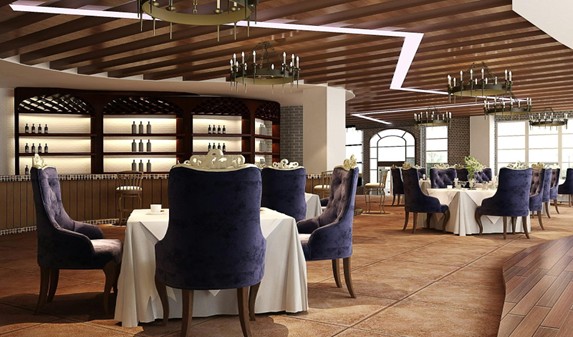
Fine Dining
- Pricing model: High-end, per-course or prix fixe
- Seating capacity: 30–80
- Service style: Formal, highly attentive
- Menu flexibility: Chef-driven, seasonal
- Revenue streams: Dine-in, private events
Pros: High ticket value, brand prestige
Cons: High overhead, narrow customer base
Common dishes: Tasting menus, wine pairings
Café / Bistro
- Pricing model: Low to moderate
- Seating capacity: 20–60
- Service style: Self-service or counter-service
- Menu flexibility: Flexible with pastries and light meals
- Revenue streams: Walk-ins, coffee sales, delivery
Pros: Low startup cost, neighborhood feel
Cons: High foot traffic needed for volume
Common dishes: Croissants, espresso, light sandwiches
Buffet
- Pricing model: Flat fee per person
- Seating capacity: 100–300
- Service style: Self-serve
- Menu flexibility: Fixed daily offerings
- Revenue streams: Dine-in only
Pros: High volume potential, predictable supply chain
Cons: High food waste, sanitary challenges
Common dishes: Salad bar, international cuisine, desserts
Food Trucks
- Pricing model: Low to moderate
- Seating capacity: None or limited nearby
- Service style: Walk-up window
- Menu flexibility: Focused, small menu
- Revenue streams: Events, street locations, catering
Pros: Mobility, low fixed cost
Cons: Weather-dependent, limited prep space
Common dishes: Tacos, grilled cheese, fusion snacks
Pop-Up Restaurants
- Pricing model: Experimental, mid to high
- Seating capacity: Varies by venue
- Service style: Temporary, ticketed events
- Menu flexibility: High, often themed
- Revenue streams: Events, social media promotions
Pros: Buzz-worthy, creative freedom
Cons: Short lifespan, unpredictable revenue
Common dishes: Limited-run chef concepts
Ghost Kitchens (Delivery-Only)
- Pricing model: Variable, app-based
- Seating capacity: None
- Service style: Online ordering only
- Menu flexibility: High, data-driven adjustments
- Revenue streams: Delivery apps, direct orders
Pros: Low rent, scalable
Cons: No in-person experience, high digital marketing costs
Common dishes: Fried chicken, noodles, comfort food
Bars and Gastropubs
- Pricing model: Drink-forward with food add-ons
- Seating capacity: 40–100
- Service style: Counter and table service
- Menu flexibility: Moderate
- Revenue streams: Alcohol, small plates, events
Pros: High-margin alcohol sales
Cons: License requirements, late-night staffing
Common dishes: Burgers, wings, craft cocktails
Ethnic/Specialty Cuisine Restaurants
- Pricing model: Varies widely
- Seating capacity: 30–100
- Service style: Table or counter
- Menu flexibility: Regionally authentic
- Revenue streams: Dine-in, takeout, cultural events
Pros: Unique niche, strong community loyalty
Cons: Sourcing ingredients, cultural authenticity pressure
Common dishes: Thai curry, Mexican tamales, Indian biryani
Farm-to-Table or Organic Concepts
- Pricing model: Moderate to high
- Seating capacity: 40–90
- Service style: Full-service with storytelling
- Menu flexibility: Seasonal, local ingredient-based
- Revenue streams: Dine-in, CSA partnerships
Pros: High perceived value, strong brand ethics
Cons: Expensive sourcing, seasonal limitations
Common dishes: Beet salad, heritage chicken, artisanal bread
Theme Restaurants
- Pricing model: Moderate to high
- Seating capacity: 80–150
- Service style: Immersive, full-service
- Menu flexibility: Themed but adaptable
- Revenue streams: Dine-in, merch, events
Pros: Memorable experience, media-worthy
Cons: Expensive setup, high novelty turnover
Common dishes: Depends on the theme (e.g., medieval stew, sci-fi cocktails)
How Does Restaurant Type Influence Your Menu Strategy?

Your menu is one of your most powerful strategic tools. But its structure, flexibility, and size should all be tailored to your restaurant concept, not based on personal preference alone.
Should You Go with a Fixed Menu or Rotating Specials?
A fixed menu ensures consistency and efficiency. It works best in fast food, fast casual, and ghost kitchens, where repeatability is key. On the other hand, fine dining and farm-to-table restaurants benefit from rotating specials that highlight seasonal or local ingredients.
Fixed Menu Pros
- Easier inventory control
- Consistent customer experience
- Faster training
Rotating Specials Pros
- Creative freedom
- Freshness and seasonality
- Customer engagement
Match your menu approach to your concept’s expectations—don’t force flexibility into a model built for speed.
How Many Items Should Be on the Menu?
Here’s a general breakdown by restaurant type:
- Fast Food / Food Trucks: 5–12 items
- Fast Casual / Café: 12–20 items
- Casual Dining / Gastropubs: 20–35 items
- Fine Dining / Theme Restaurants: 6–12 items per course
- Buffet: 50+ items
- Ghost Kitchens: 8–15 data-optimized dishes
Too many options overwhelm operations and dilute your brand. Focus on what you do best.
How Much Should You Customize for Your Local Demographic?
Your restaurant might have a global concept—but your guests are local.
Consider:
- Regional taste preferences (e.g., spice levels, ingredient familiarity)
- Dietary expectations (e.g., vegan options in urban areas)
- Cultural norms (e.g., halal, kosher, or pescatarian requirements)
Smart customization improves menu relevance without sacrificing concept integrity.
How Does Restaurant Type Affect Hiring and Staff Structure?
Your staffing blueprint should match your concept’s service style, kitchen complexity, and customer expectations—not generic hospitality roles.
What Roles Are Essential for Each Restaurant Type?
Here’s a breakdown by type:
- Fast Food: Cashier, line cook, shift manager
- Fast Casual: Cook, cashier, floater, supervisor
- Casual Dining: Head chef, line cooks, waitstaff, bartender
- Fine Dining: Executive chef, sous chef, sommelier, host, server
- Food Truck: Cook, cashier, prep assistant
- Café / Bistro: Barista, cook, counter attendant
- Buffet: Prep cooks, server attendants, sanitation crew
- Ghost Kitchen: Cook, expediter, order packer
- Farm-to-Table: Chef, forager or supplier coordinator, waitstaff
What Skills and Experience Should You Prioritize When Hiring?
- Speed & multitasking for fast-paced models
- Upselling and tableside finesse for casual and fine dining
- Cultural fluency for ethnic/specialty restaurants
- Technical kitchen knowledge for concept-specific tools (e.g., sous-vide, espresso machines)
Always hire for fit, not just résumé.
How Can You Match Training Programs to the Concept?
- Fast Food: Speed, repetition, quality control
- Casual Dining: Service timing, menu fluency, upselling
- Fine Dining: Plating, etiquette, wine pairings
- Café: Latte art, POS familiarity, customer flow
- Buffet: Cleanliness, refills, food rotation
- Ghost Kitchen: Order accuracy, app timing, packaging
Training isn’t one-size-fits-all—tailor it to operational reality.
How Does Layout and Equipment Depend on Restaurant Type?
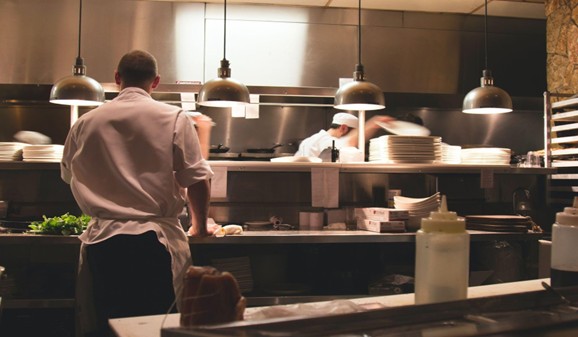
Your floor plan and kitchen workflow should serve your restaurant’s core function—whether that’s grabbing-and-going or lingering for an eight-course meal.
Example Equipment Breakdown by Type:
- Fast Food: Deep fryers, heat lamps, prep tables
- Fine Dining: Sous-vide machines, high-end grills, plating stations
- Café: Espresso machine, pastry display, blender
- Ghost Kitchen: Modular cooking lines, multiple packaging stations
- Buffet: Chafing dishes, warming trays, sneeze guards
- Family Style: High-capacity ovens, large prep areas
Match your gear to your throughput, not just your menu.
How Does Overhead Affect Pricing Strategy?
Rent, staffing costs, food waste, and service level all influence your margin.
For example:
- Ghost Kitchens save on rent but spend more on third-party delivery fees.
- Buffets need higher ticket averages to offset waste.
- Fine Dining has higher fixed costs per seat, pushing pricing up.
Your pricing isn’t just about ingredients—it’s about infrastructure.
What Are the Branding and Marketing Implications of Your Restaurant Type?
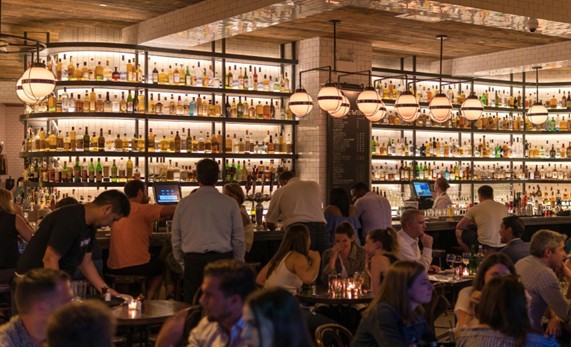
Your concept determines how you look, sound, and connect.
How Does Your Concept Affect Your Visual Identity?
- Fast Food: Bold signage, uniforms, bright colors
- Fine Dining: Minimalist logos, ambient lighting, formal attire
- Café: Handwritten menus, rustic materials, cozy vibe
- Theme Restaurants: Immersive decor, novelty menus, branded music
Your space should tell your story the moment guests walk in.
Which Marketing Channels Work Best for Different Restaurant Types?
- Fast Food: Google Ads, local SEO, flyers
- Fine Dining: Instagram, influencer tastings, PR reviews
- Café: Loyalty apps, community boards, TikTok
- Ghost Kitchens: App promotions, digital retargeting
- Food Trucks: Instagram stories, live location posts, events
Think beyond your food. Think about who’s watching.
What Are the Profit Margins and Risks by Restaurant Type?
What Are the Average Profit Margins by Concept?
- Fast Food: 6–9%
- Fast Casual: 5–8%
- Casual Dining: 3–6%
- Fine Dining: 3–5%
- Food Trucks: 7–10%
- Buffets: 4–7%
- Ghost Kitchens: 10–15% (if scaled)
Margins vary by scale, not just by style.
Which Concepts Are the Most Resilient During Economic Downturns?
- Fast Food: Lower price, faster service = high resilience
- Ghost Kitchens: Flexible, low fixed costs
- Food Trucks: Adaptable routes, low rent
- Fine Dining: Most vulnerable due to high overhead and luxury positioning
The leaner the model, the better it weathers storms.
Conclusion
Your restaurant type isn’t just a label—it’s the DNA of your business. It influences how your team functions, what your menu looks like, how you price and serve, and even what technology powers your growth.
Pick the wrong model, and everything else—no matter how brilliant—can buckle. But align your concept with your operations, staff, and local audience, and you’re not just cooking food. You’re building a system that serves success.