Smarter Grids, Smarter Cities: How Smart Grids Are Energizing Cities

As urban populations swell and cities expand, the demand for reliable and efficient energy solutions has never been greater. Smarter grids are stepping up to the challenge, transforming the way we manage and distribute electricity. These advanced systems not only enhance energy efficiency but also empower cities to embrace renewable sources, paving the way for a sustainable future.
Imagine a city where energy flows seamlessly, adapting to real-time needs and reducing waste. With smarter grids, this vision is becoming a reality. They integrate cutting-edge technology, enabling cities to respond to fluctuations in demand while minimizing outages. In this article, we’ll explore how smarter grids are revolutionizing urban landscapes and shaping the future of energy in our growing cities.
What Makes a Grid “Smart”
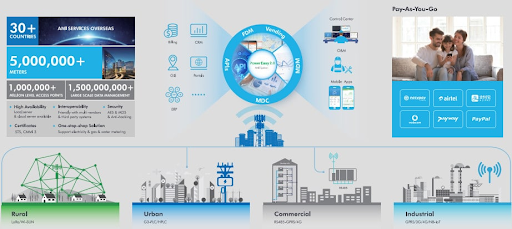
Smart grids utilize advanced technologies and strategies to enhance energy distribution and management in urban environments. They enable seamless integration of renewable energy sources and real-time responsiveness to energy demands.
Core Technologies
Core technologies in smart grids include advanced metering infrastructure (AMI), which allows for real-time data collection and communication between utilities and consumers. Other crucial elements are automated control systems and sensors that optimize energy flow, reduce transmission losses, and enhance grid reliability. These innovations form a Transmission Grid Solution that supports efficient energy distribution and consumption.
Protocols & Standards
Protocols and standards in smart grids ensure interoperability among diverse technologies and devices. Standards such as IEEE 1547 govern the interconnection of distributed energy resources, promoting safe and efficient integration. Communication protocols like IEC 61850 facilitate data exchange between grid components, allowing for responsive adjustments based on real-time conditions. These standards create uniformity, which enhances the overall functionality of smart grids.
Benefits of Smart Grids in Urban Environments
Smart grids offer numerous advantages for urban areas seeking efficient energy solutions. These advanced systems enhance energy management, reduce costs, and support sustainable practices.
Efficiency & Cost Savings
Smart grids optimize energy distribution through real-time data and advanced metering infrastructure. You gain insight into energy usage patterns, allowing for better demand response strategies. These efficiencies translate to significant cost savings for consumers and utility providers alike. Implementing smart grid technologies improves operational efficiency, reducing overall energy expenditure.
Reliability & Resilience
Smart grids improve the reliability of electricity supply by monitoring and responding to outages and disruptions. Automated control systems quickly pinpoint issues, enabling rapid restoration of service. Enhanced resilience is crucial for urban settings that face increased demand, ensuring that energy remains consistent, even during peak usage times.
Environmental and Sustainability Gains
Smart grids facilitate the integration of renewable energy sources, such as solar and wind. By leveraging these cleaner options, cities can reduce greenhouse gas emissions and decrease reliance on fossil fuels. Smart grids support a sustainable energy future, promoting environmentally friendly practices that align with urban development goals.
Consumer Engagement and ‘Prosumers’
Smart grids enhance consumer engagement by enabling real-time access to energy consumption data. You can actively manage energy usage and adjust habits in response to pricing signals. Additionally, the rise of ‘prosumers’—consumers who also produce energy—empowers citizens to contribute to the grid, fostering a collaborative energy community.
Enabling Technologies & Communication
Smart grids leverage advanced technologies and communication systems to enhance energy distribution and management in urban settings.
IoT and 5G/6G Connectivity
IoT devices and 5G/6G connectivity play critical roles in smarter grids. These technologies facilitate real-time data transmission, enabling quick responses to energy demands. With enhanced bandwidth, urban areas can support a growing number of connected devices. This connectivity contributes to a reliable transmission grid solution by optimizing energy flow and reducing latency in communication, ensuring efficient energy management.
Data Analytics and Machine Learning
Data analytics and machine learning significantly improve grid performance. By analyzing vast datasets, utilities can predict energy trends and optimize operations. Machine learning algorithms identify patterns in energy consumption, allowing for tailored demand response strategies. This capability leads to increased reliability and efficiency in energy distribution, forming part of a progressive transmission grid solution that supports the needs of urban environments.
Cybersecurity and Privacy Concerns
Cybersecurity poses significant challenges for smarter grids. As the transmission grid solution becomes more interconnected, vulnerabilities increase. Hackers can exploit weaknesses in advanced metering infrastructure and IoT devices, leading to potential data breaches and operational disruptions. Ensuring strong encryption and robust protocols is essential to safeguard sensitive information. Maintaining privacy requires transparent data handling practices and compliance with regulations to protect consumer information.
Smart Grids as Foundations for Smart Cities
Smart grids serve as foundational elements of smart cities, enabling efficient energy management and sustainable practices. They create a cohesive transmission grid solution that integrates renewable energy sources and facilitates real-time data utilization. CHINT’s transmission grid solutions, including modular substations, intelligent power distribution systems, and mobile substations, support this transformation by enhancing grid reliability, enabling rapid deployment, and reducing energy losses. This system enhances reliability, optimizes energy flow, and empowers consumers to actively contribute to energy efficiency initiatives.
Conclusion
Embracing smarter grids is essential for the future of urban living. As cities grow and energy demands rise, these advanced systems offer a pathway to sustainable energy management. By leveraging real-time data and integrating renewable sources, you can contribute to a more efficient energy landscape.
The collaborative nature of smart grids empowers you to take control of your energy usage while enhancing the reliability of supply. As you engage with this evolving technology, you’ll be part of a community that prioritizes sustainability and resilience. The shift towards smarter grids not only meets today’s challenges but also paves the way for a brighter, more sustainable urban future.