The Role of Functionality in Effective Kitchen Layouts
A well-designed kitchen embodies the everyday functionality for cooking and entertaining. A functional kitchen considers workflow, traffic patterns, and various elements that add to the user experience.
Understand how to harmonize every component for greater satisfaction and usability. From busy households to gourmet setups, the layout should cater to diverse needs and maximize efficiency. The following exploration highlights how functionality impacts kitchen design and offers insights into achieving your dream kitchen.
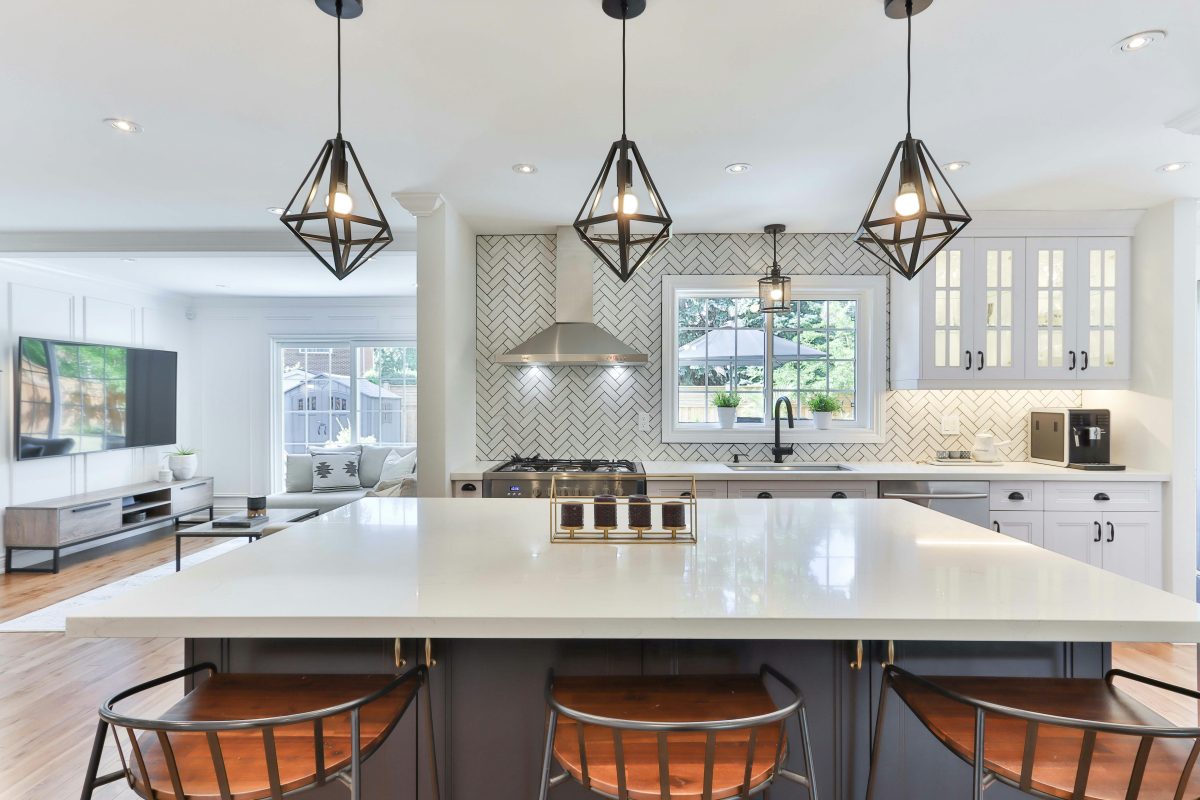
What Are Kitchen Work Zones?
Kitchen work zones divide the space based on specific tasks: cooking, cleaning, and food preparation, so each area has a distinct purpose. Organizing the kitchen into zones minimizes unnecessary steps and improves workflow, making everyday tasks more efficient. The cooking zone includes the stove, oven, and nearby countertop for prep work. The cleaning zone is anchored by the sink and dishwasher and benefits from proximity to both cooking and storage areas. The preparation zone should be spacious and near both the fridge and the cooking area.
In modern households where multiple people cook or help in the kitchen, clearly defined zones avoid crowding and confusion. Designing with zones in mind enables smooth transitions between tasks, improving both the speed and safety of kitchen operations. It turns the kitchen into a well-orchestrated, multi-functional workspace.
The Value of Professional Kitchen Remodeling
Hiring a professional for kitchen remodeling brings invaluable expertise to your project. Designers and contractors possess the technical skills to translate your vision into reality and deal with building codes, plumbing limitations, and structural concerns that homeowners may overlook. Whether it’s rearranging a layout for better flow or choosing the right combination of materials, professionals provide solutions rooted in both form and function. For those in the area, a kitchen remodeling service in Virginia might accommodate local climate considerations or popular regional styles. Professionals help you manage your budget effectively, sourcing high-quality materials within your price range and preventing costly mistakes.
Know that professionally remodeled kitchens tend to increase property value, which can be a worthwhile investment. With expert guidance, homeowners can enjoy a kitchen that’s beautiful and efficient, structurally sound, and future-proofed for years to come.
If you live in North Carolina, working with a team that understands local permitting and neighborhood preferences can make the process smoother. Homeowners in the Charlotte area often turn to a custom kitchen remodeling service in Charlotte when they want a layout that fits daily routines and uses space wisely. This approach supports better planning, fewer surprises during construction, and a finished kitchen that feels natural to use.
Traffic Patterns and Their Impact on Design
Traffic flow determines how comfortable and safe a kitchen feels during peak usage times. A well-planned kitchen must consider how people move through the space, from one task to another or in and out of the room entirely. Narrow aisles or poorly placed appliances can create frustrating blockages and even safety hazards. To avoid congestion, walkways should be at least 36 inches wide for single-cook scenarios, and 42–48 inches for multiple users.
Strategic placement of islands or peninsulas can direct movement naturally, guiding people through the kitchen without interrupting workflows. Open layouts work well for larger families or entertainers, but even compact kitchens benefit from traffic-conscious design.
Cabinetry and Storage Solutions
Thoughtfully designed cabinets contribute to workflow, aesthetics, and convenience. Modern kitchens blend deep drawers, pull-out shelves, and corner units like lazy Susans to maximize every available inch. Vertical storage reduces clutter and makes use of otherwise wasted space. Combining closed cabinets for bulk storage with open shelving for frequently used items or decorative pieces balances form and function.
The placement of cabinets should reflect cooking habits. Pots and pans are stored near the stove, and utensils are close to prep zones. Customized inserts, spice racks, and drawer dividers add an extra layer of usability. Smart cabinetry turns a kitchen from a visually pleasing area into an organized, task-oriented environment that improves everyday living.
Choosing the Right Appliances
Appliances are no longer one-size-fits-all. Today’s market offers a range of options designed to meet diverse cooking needs, family sizes, and energy-efficiency goals. Choosing models that match your kitchen’s layout can improve both appearance and usability. Energy-efficient appliances reduce long-term utility costs and lessen environmental impact. Placement matters: dishwashers near sinks, microwaves within cabinetry, and cooktops near prep areas reduce unnecessary steps.
Designers use appliance grouping to position frequently used items together and diminish the time spent moving around. Smart technology integrations like voice control or Wi-Fi connectivity can offer added convenience.
Creating a Cohesive Style
A well-designed kitchen should reflect the homeowner’s taste and maintain an intuitive layout. Achieving this balance involves choosing materials, colors, and finishes that work harmoniously together without sacrificing utility. Countertops should be durable yet stylish, and cabinetry should complement flooring and wall finishes.
In terms of lighting, use task lighting to improve visibility in work zones and ambient or decorative lighting to add to the kitchen’s mood. Mix smooth quartz countertops with rustic wooden beams or matte finishes against glossy tiles, which adds depth and interest. The style should guide, not hinder, practical decisions.
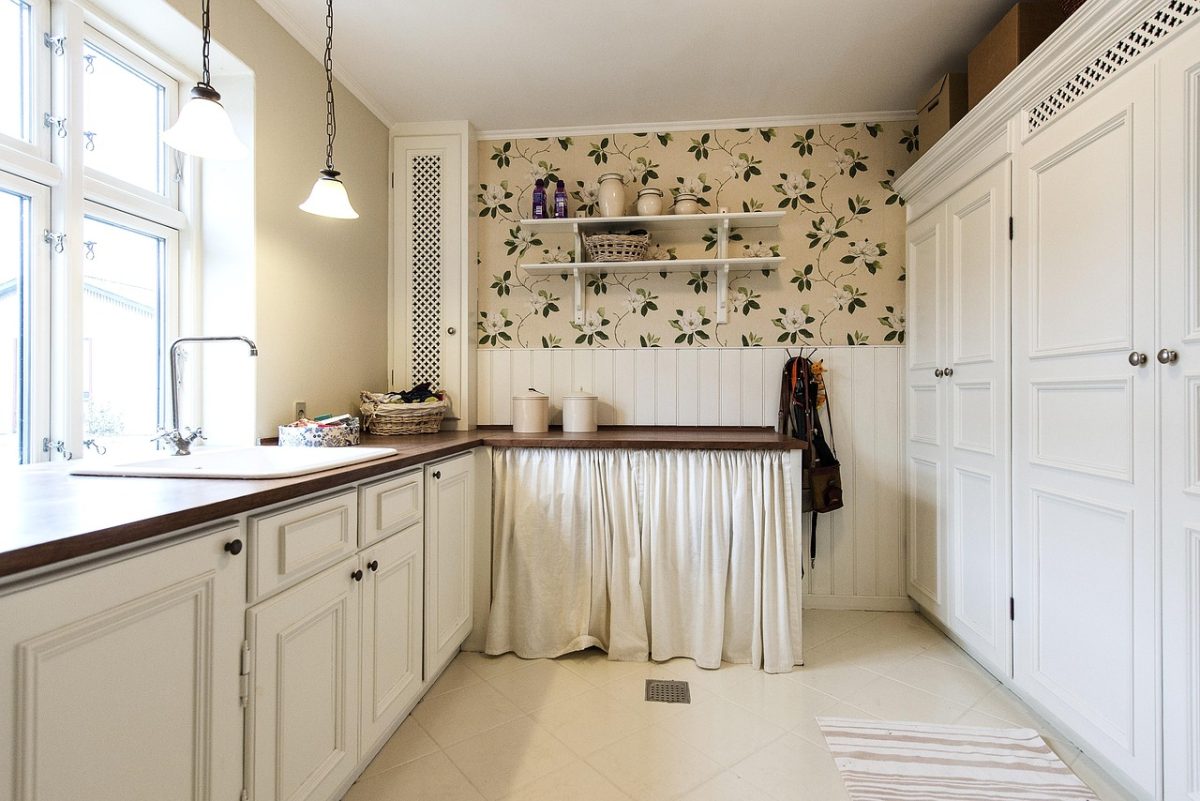
Achieving an effective kitchen layout heavily relies on the functionality of various elements. A better knowledge of work zones, traffic patterns, and thoughtful storage and appliance choices elevates usability. With these considerations, homeowners can embrace the culinary joy in their beautifully crafted kitchen spaces.
Related Posts