Flexible Living, Natural Foundations
Our homes are no longer static. They serve as workspaces, wellness retreats, gathering places, and quiet sanctuaries—sometimes all in the same day. As daily routines shift, so too must the furniture we rely on. Adaptability is no longer a luxury; it’s an essential element of modern design. But the most compelling shift lies in how this flexibility is being achieved—not through complex mechanisms or gimmicks, but through natural, thoughtful materials.
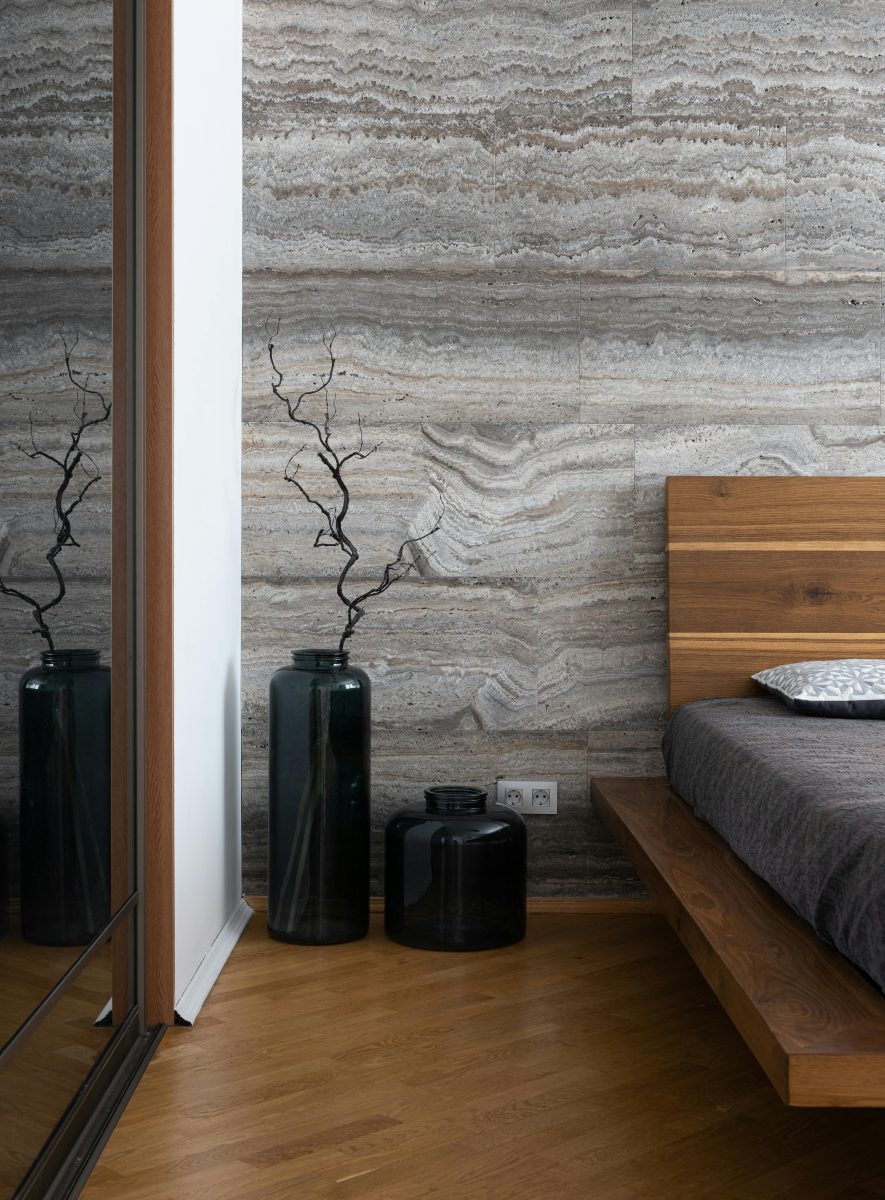
A piece of furniture designed to adapt to a variety of uses doesn’t need to look utilitarian. A solid wood platform bed, for example, can serve as a cozy reading nook by day and a tranquil sleep space by night. Its clean lines and low profile allow it to blend into nearly any room, while its sustainable construction adds a layer of quiet integrity. Likewise, a natural-latex mattress paired with organic cotton or wool layers doesn’t just provide support—it becomes a responsive, breathable surface that shifts with the body and the day’s demands.
What makes these adaptable pieces especially enduring is that they don’t try to dominate a room or serve just one purpose. Instead, they remain open-ended. Their presence enhances the flow of daily life, accommodating subtle shifts in activity, energy, and mood. In doing so, they create homes that feel not only more flexible—but more alive.
Materials That Shape Style
Adaptability begins with what a piece is made of. Natural materials like solid wood, organic cotton, wool, hemp, and natural latex are inherently versatile. They carry a warmth and honesty that allow them to complement a wide variety of aesthetics—from minimalist to rustic, contemporary to traditional. Their tactile richness adds depth to any room, creating an inviting backdrop for daily living.
These materials are not just attractive—they’re functional. Organic textiles regulate temperature, absorb moisture, and age beautifully with time. FSC-certified wood shows its grain proudly, evolving with every nick and polish. Unlike synthetic surfaces that often look dated or worn within a few years, eco-conscious materials gain character. Their imperfections don’t degrade their beauty—they define it.
Equally important is how these materials interact with light, sound, and air. Natural fibers and unfinished wood help soften acoustics, reduce glare, and promote airflow. They’re not just passive elements—they contribute actively to a room’s energy. Whether in a quiet bedroom or a multi-functional living space, they ground the environment in texture and calm, allowing you to shift activities without feeling like the room needs to change with you.
Form Following Flexibility
Adaptable furniture must do more than look good—it has to feel intuitive. The most functional pieces move fluidly between roles while maintaining a sense of presence and coherence. A low-profile sofa with a solid wood frame and organic upholstery becomes the heart of the living room during the day, then a peaceful reading nook or even an impromptu guest bed at night. It works not because it performs tricks, but because it’s built on principles of proportion, structure, and comfort.
Designers are increasingly embracing modular and reconfigurable elements—sectionals that expand, stools that become tables, daybeds that double as workspaces. But the success of these pieces depends on materials that withstand movement and wear. Natural fabrics hold their form better over time. Wool, in particular, resists wrinkling and retains its structure, making it ideal for furniture that’s frequently shifted or repurposed.
Curved silhouettes and softened corners are becoming more common, not just for aesthetic reasons, but because they create spatial flow. In a room where functions change throughout the day, rigid forms can become obstacles. Rounded edges, open bases, and breathable surfaces invite flexibility. They make it easy to rearrange a room without completely rethinking its layout—and that kind of ease is at the core of sustainable, everyday luxury.
Sustainable Production, Sustainable Living
Behind every adaptable piece of furniture is a production story. Increasingly, consumers want that story to reflect their own values—transparency, sustainability, and long-term thinking. Furniture that is easy to live with should also be easy on the planet. This means using responsibly sourced materials, low-impact finishes, and ethical labor practices. But it also means designing for durability, repairability, and timelessness.
The best sustainable furniture is built to age gracefully, not be replaced quickly. That means components that can be taken apart, repaired, or refinished rather than discarded. A hardwood dining table should be able to last decades, not just seasons. A sofa with a replaceable organic cotton slipcover offers years of use with refreshes that are both aesthetic and ecological. These choices extend the life of each piece, reducing landfill waste and encouraging a deeper emotional connection to what we own.
And let’s not forget transport. Furniture made close to home or crafted from local materials carries a smaller carbon footprint. Smaller, modular pieces that can be shipped efficiently or flat-packed with minimal packaging also support a more responsible supply chain. When these design considerations are built in from the beginning, sustainability doesn’t have to be an add-on—it becomes a defining feature of the furniture itself.
Wellness by Design
Adaptability and sustainability naturally lead to wellness. When the furniture we live with is crafted from clean, non-toxic materials and designed to accommodate our shifting needs, our homes become healthier—both physically and emotionally. A mattress made from natural latex and organic wool doesn’t just support better sleep. It reduces exposure to synthetic chemicals, regulates body temperature, and creates a breathable sleep surface that adapts to our bodies in real time.
Likewise, an eco-friendly chair or sofa offers more than a place to sit. It provides ergonomic support, cushions made from responsibly sourced materials, and fabrics that won’t off-gas into the air we breathe. When these pieces are integrated into daily life, they elevate every moment—not by drawing attention to themselves, but by quietly supporting rest, movement, and focus.
A flexible space that flows with our lifestyle also supports mental clarity. It allows us to move seamlessly from activity to activity without feeling boxed in or overstimulated. This kind of intentional design fosters calm, clarity, and balance. It reminds us that the most sustainable choices aren’t just good for the planet—they’re better for us, too.
Designed to Evolve
As our relationship with home continues to shift, the design priorities guiding us forward are increasingly aligned with nature. We crave furniture that responds to the rhythm of real life—not just its appearances. That means pieces that adapt to our needs, carry us through life transitions, and do so with beauty, humility, and purpose.
Adaptability is no longer a novelty; it’s a necessity. And when it’s paired with ecological materials, thoughtful craftsmanship, and a timeless aesthetic, it becomes a powerful design philosophy. One that doesn’t chase trends or demand constant reinvention—but instead evolves quietly, gracefully, and in harmony with the people and spaces it serves.