How To Ensure Your Equipment Meets Proper Caster Standards
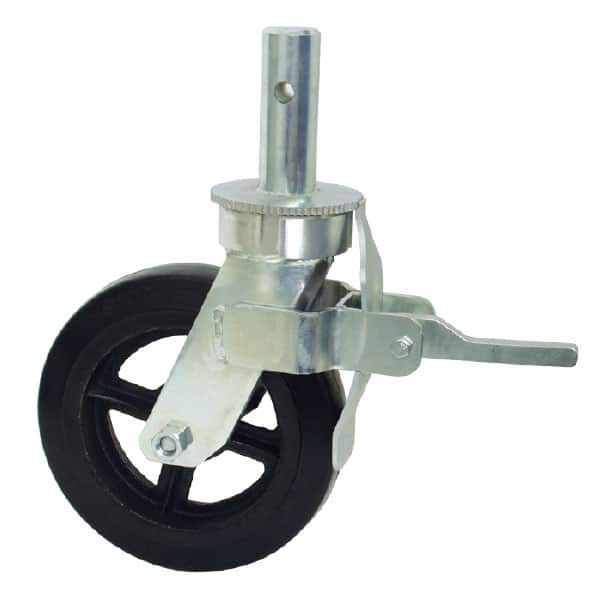
You want your gear to run at its best, and that begins on the ground level. Getting your gear to proper caster standards is more than a technical checkmark; it’s the secret to smooth operation, safety, and longevity.
When working with heavy-duty equipment or mobile dollies in a warehouse setting, proper casters can be the difference between productivity and disaster. Missing wheels cause breakdowns, tip-overs, and expensive downtime.
But when you follow the proper standards, all rolls occur with accuracy and assurance. In this article, you will learn how to inspect, select, and maintain casters that meet your specific requirements.
Ready to keep things moving the right way?
Let’s get rolling.
1. Buy from a Trusted Seller
To choose casters for your equipment, the best thing to do is to purchase from a reputable, established vendor. This ensures you obtain products that meet established caster standards for performance, safety, and durability.
Established vendors typically provide casters that are load-tested and life-expectancy tested. They usually include detailed specifications of the product, certifications (e.g., ANSI, ISO, or RoHS), and after-sales service, which is important in case you encounter any problems in the future.
A quality seller will also walk you through the process of selection, ensuring that you choose the correct type of caster for your intended purpose—whether it’s hospital equipment, industrial carts, or office chairs.
Don’t let the temptation to purchase from unknown sources cloud your judgment, particularly if it seems too good to be true. Low-cost casters from unknown sources may lack proper quality control, leading to early failures or even safety issues.
Always research: read reviews, request referrals, and verify the company’s credentials. Spending a little extra time selecting a reputable seller not only safeguards your investment but also ensures the safety and long-term functionality of your equipment.
2. Verify Load Capacity Ratings
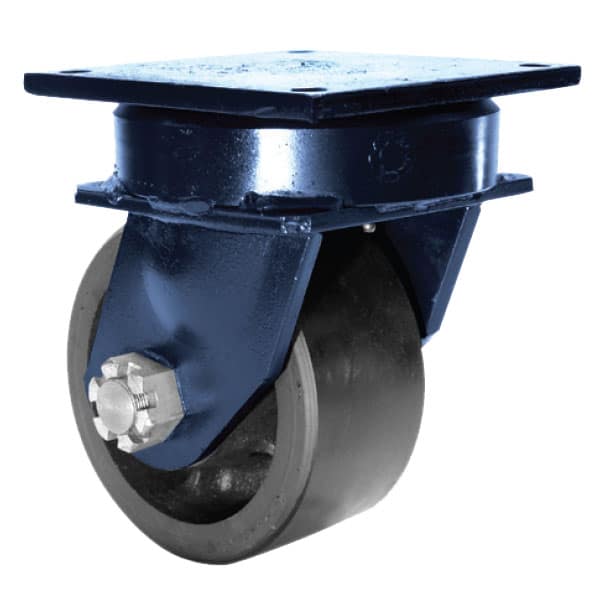
When choosing casters for your gear, ensure you check the load rating closely. Each caster can support a certain amount of maximum weight, and if you don’t compare that rating to what actual load your gear will support, you’re risking damaging the caster—or worse, harming people.
To avoid expensive failures, always calculate the total weight your gear will support, including the gear itself, as well as any other materials or people it will be carrying. After determining the total load, divide by the number of casters that will support it to determine the maximum capacity per caster.
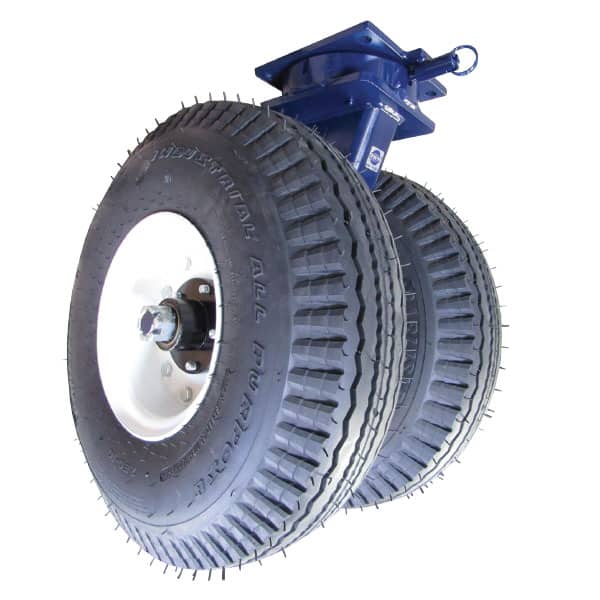
Ensure you select casters with a load capacity higher than this figure to accommodate dynamic loads, such as movement, bumps, or rough terrain. Underestimating capacity can result in casting deformation, early wear, or abrupt failure, which can stop your operations or harm a person.
Also, keep in mind the nature of the load—static or dynamic—since this influences the distribution of the weight. Keep in mind that spending money on correctly rated casters will save you time and money in the future, as you won’t experience any unforeseen breakdowns. Always double-check these ratings before making a purchase.
3. Check Compliance with Industry Standards
To have your equipment set up with proper caster standards, you must ensure that the casters meet industry-recognized standards. Standards are established to ensure safety, reliability, and performance levels under all conditions.
When you select casters that meet standards such as ANSI (American National Standards Institute), BIFMA (Business and Institutional Furniture Manufacturers Association), or ISO (International Organization for Standardization), you’re heading in the right direction.
By verifying compliance, you confirm that the casters have been thoroughly tested for strength, durability, load capacity, and resistance to wear and environmental factors. This ensures that the casters you select will operate consistently, reducing downtime and the risk of failure.
When evaluating products, look for certification marks or documents that ensure compliance. Your supplier will not mind making them available to you—they should do so first.
Ultimately, with standards compliance as your top priority, you can obtain high-quality equipment, safeguard your investment, and maintain a safe working environment. Ensure that it becomes a habit to look for these standards when shopping for one.
4. Inspect Materials and Construction
When selecting casters, it’s essential to carefully inspect the materials and construction to ensure they are suitable for your specific needs. The quality and type of materials directly impact the caster’s durability, performance, and suitability for the environment in which you’ll be using it.
For example, if your equipment will be exposed to harsh conditions such as moisture, chemicals, or extreme temperatures, you should choose casters made from corrosion-resistant materials like stainless steel or polyurethane.
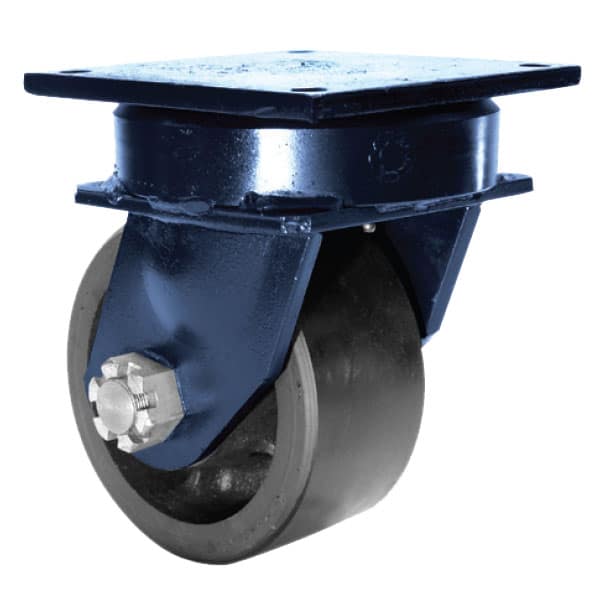
Similarly, if your equipment requires quiet operation on smooth floors, select casters with rubber wheels to reduce noise and prevent floor damage. For heavy-duty industrial use, steel or nylon wheels with reinforced frames are often better choices due to their strength and resistance to wear.
Pay close attention to how the casters are constructed. Look for features like precision bearings, sturdy swivel joints, and robust mounting plates. Poorly constructed casters can lead to premature failure, uneven movement, or instability.
When you take the time to evaluate the materials and construction, you ensure that your equipment will perform reliably, last longer, and keep your workspace safe. Don’t rush this step—it’s crucial for maximizing the value and safety of your investment.
5. Evaluate Mobility and Braking Features
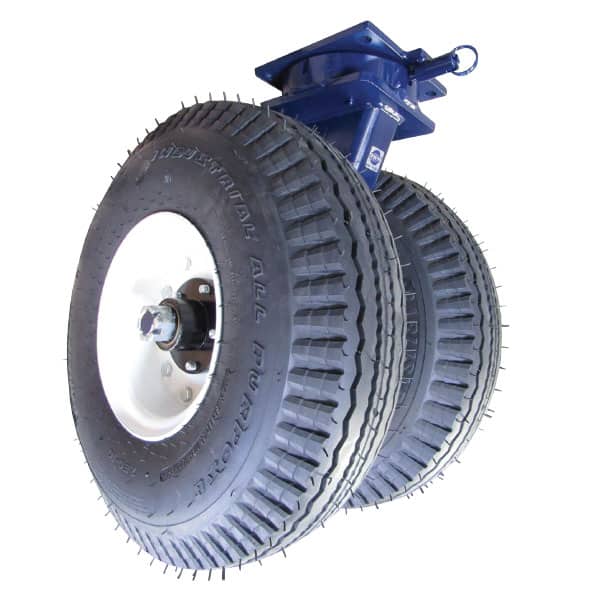
Smooth, easy movement is essential if you’ll be frequently repositioning or transporting your equipment. You should look for casters with high-quality bearings and wheels that roll effortlessly on your typical floor surfaces, whether that’s concrete, tile, or carpet.
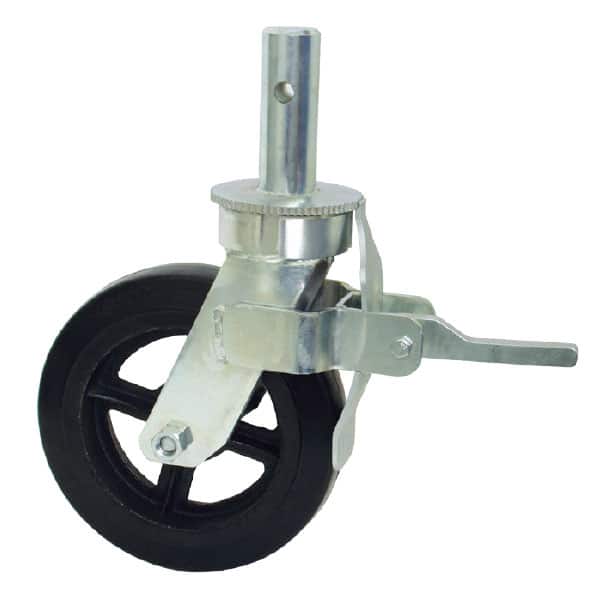
At the same time, you want to make sure your casters include effective braking or locking mechanisms. This is especially important if your equipment needs to stay securely in place during operation or when parked on an incline.
The right brakes can prevent unexpected movement that might cause damage or injury. When inspecting brakes, check how easily you can engage and release them—some locking systems are foot-operated for convenience, while others may require manual adjustment.
Additionally, consider whether you need swivel casters for maneuverability or fixed casters for straight-line movement, and ensure that your braking system is compatible with your chosen configuration.
By paying attention to these details, you’ll enhance both the functionality and safety of your equipment. Taking the time to evaluate mobility and braking features helps you avoid accidents and ensures your equipment performs exactly how you need it to.
Wrapping Up
By following these key points, you’re setting yourself up for success with casters that truly meet proper standards. When you buy from trusted sellers, verify load capacities, check industry compliance, inspect materials, and evaluate mobility features, you’re protecting your equipment and your team.
Taking these steps isn’t just about meeting standards—it’s about ensuring safety, reliability, and long-term performance. Remember, the right casters make a big difference in how smoothly your operations run.
So invest the time now to choose wisely—you’ll thank yourself later with equipment that works harder, lasts longer, and keeps your workspace safe.