The Emotional Toll of Experiencing a Serious Car Crash
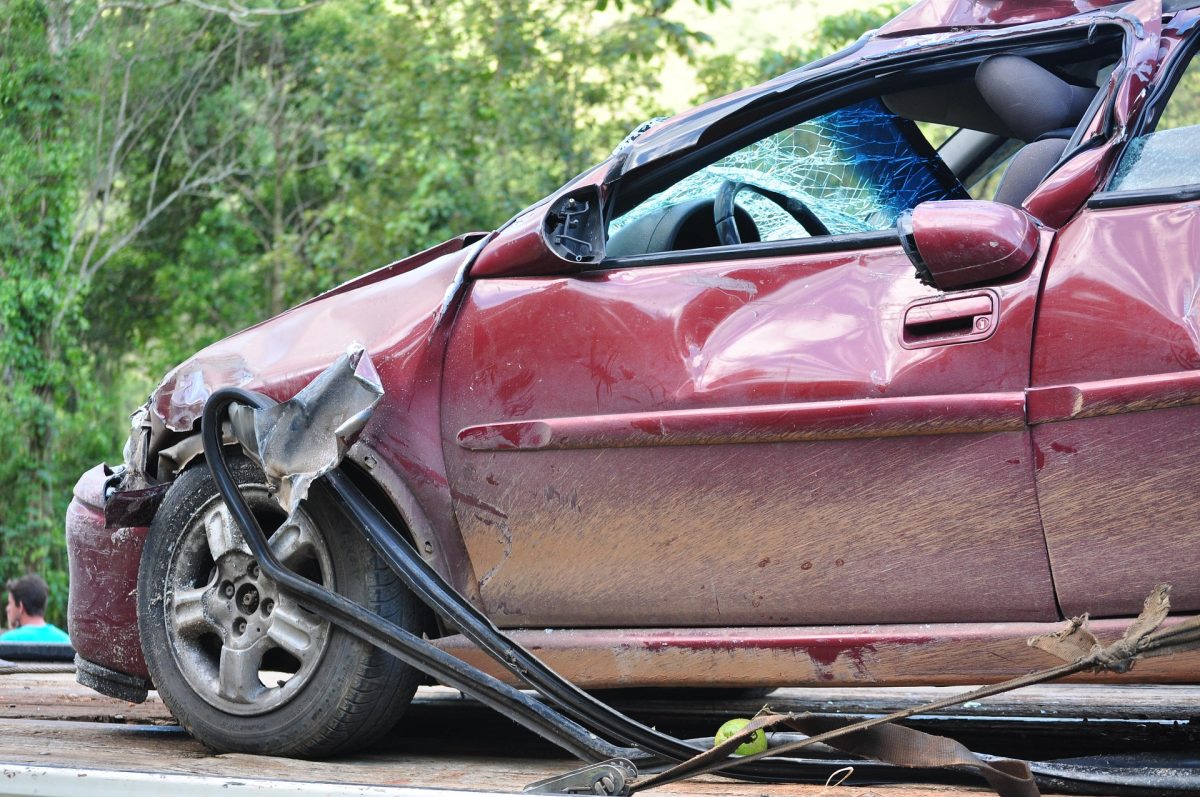
Experiencing a serious car crash can be one of the most traumatic events in a person’s life. The aftermath of such an incident often extends beyond physical injuries. Individuals face a myriad of emotional challenges that can significantly impact their quality of life. From anxiety and depression to post-traumatic stress disorder, the emotional ramifications are profound and can linger long after physical recovery has begun. Understanding these emotional effects is crucial for their loved ones, who often bear witness to the struggle that follows.
The Initial Shock and Denial
In the immediate aftermath of a serious auto collision, many individuals experience shock. This response can manifest as disbelief, confusion, or a sense of detachment from reality. People might find it difficult to process what has happened, leading to a state of denial, where they refuse to accept the seriousness of their situation. This psychological defense mechanism can provide temporary relief but often leads to complications down the line, as unresolved emotions surface later. For many, the shock can be so overwhelming that they ignore their injuries or fail to seek necessary medical attention, prioritizing emotional numbness over physical well-being.
Emotional Turmoil During Recovery
As physical healing begins, the emotional challenges typically take center stage. It’s not uncommon for car crash survivors to encounter feelings of helplessness and frustration during their recovery process. Many grapple with mobility limitations or chronic pain, which can exacerbate feelings of sadness or anger. During this phase, anxiety becomes prevalent as individuals worry about their future, job security, and the financial burdens that often accompany medical treatment. For some, the emotional toll can become so intense that they may develop clinical depression, making it paramount to recognize the importance of mental health support among the recovery process.
Legal Considerations for Survivors
Navigating the aftermath of a serious accident involves understanding legal rights. Many car crash victims may benefit from consulting with an auto crash attorney since they can help individuals understand their rights regarding compensation for injuries, emotional distress, and loss of wages. Having expert legal counsel can lessen the emotional burden by guiding survivors through the often intricate process of filing claims and dealing with insurance companies, allowing them to focus on healing. The intersection of legal and emotional recovery is critical, as obtaining the right support can enhance recovery outcomes.
Long-Term Psychological Effects
Significant car accidents often leave lasting psychological scars. Survivors might experience flashbacks, nightmares, or intrusive thoughts associated with the event. These symptoms can worsen, leading to post-traumatic stress disorder (PTSD) in many cases. Research indicates that around 9% of patients who experience car accidents develop PTSD, which can manifest as avoidance behaviors where individuals go to great lengths to refrain from situations or locations that remind them of the crash. This can severely restrict their ability to return to daily activities, impacting work life, social interactions, and family relationships.
The Importance of Seeking Professional Help
Recognizing and addressing these emotional challenges is vital for recovery. Seeking help from a qualified professional, such as a therapist or counselor, can provide the necessary tools to navigate the complex emotions that arise after a crash. Support groups can also be valuable, offering a chance to connect with others who have endured similar experiences. Therapy is about addressing the symptoms of trauma and about devising coping strategies to handle the multitude of emotions effectively. For many, initiating the journey of professional help can feel intimidating. Many individuals may hesitate to seek therapy due to stigma or disbelief in the efficacy of mental health support.
Building a Support System
While professional help is crucial, creating a personal support system plays a pivotal role in emotional recovery. Friends and family can offer invaluable assistance by providing a listening ear, helping with daily tasks, or simply being present. It can be incredibly beneficial to express feelings and thoughts to those who care about you, as sharing experiences can alleviate feelings of isolation and loneliness. Online communities and support networks can be a resource for sharing coping strategies and offering encouragement, reinforcing the idea that survivors are not alone in their struggles.

The journey of recovering from a serious car crash is multifaceted. It requires a holistic approach that includes addressing physical injuries, emotional wounds, and legal matters. The emotional toll is significant, affecting various aspects of life and requiring patience and understanding from both the individual and their support network. As survivors navigate this challenging terrain, it’s important to remember that healing is possible. With appropriate support and resources, individuals can move forward, regain control of their lives, and emerge stronger from the experience.