Tech-Driven Strategies To Streamline Warehouse Operations And Prevent Delays
Warehousing lies at the heart of modern supply chains, serving as the bridge between production and delivery. With growing consumer expectations and the rise of e-commerce, operational efficiency has become important for businesses seeking to maintain speed, accuracy, and profitability. Traditional warehouse systems often struggle to keep up with this demand, leading to misplaced inventory, processing errors, and costly delays.
The integration of advanced technology offers a solution, enabling organizations to automate key functions, improve visibility, and respond quickly to shifting market conditions. By embracing tech-driven strategies, warehouses can transform from logistical bottlenecks into highly efficient, data-informed hubs that keep goods moving seamlessly.
Automation and Robotics for Enhanced Productivity
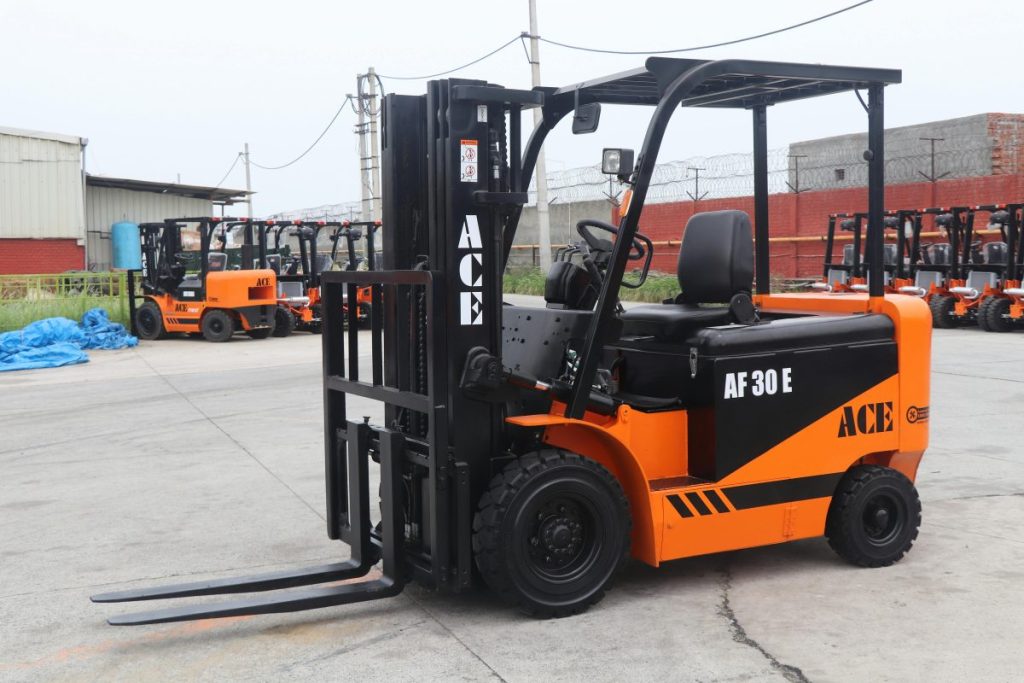
Automation has reshaped warehouse operations by introducing efficiency and consistency into daily workflows. Robotic systems handle repetitive tasks such as picking, packing, and sorting with remarkable precision, while technologies that optimize forklift performance allow for safer and more coordinated material movement across large facilities. Automated guided vehicles and autonomous mobile robots operate continuously, reducing manual strain and minimizing the potential for errors.
When integrated with intelligent software, these systems can adapt to fluctuating workloads, streamline routing, and maintain steady throughput during peak demand. The result is a balanced, high-performing warehouse environment that sustains productivity without compromising accuracy or worker safety.
Warehouse Management Systems for Real-Time Oversight
A warehouse management system (WMS) plays a central role in integrating all operational activities into a unified digital platform. Through real-time tracking, a WMS enables managers to monitor inventory levels, track shipments, and manage labor allocation efficiently. The system provides actionable insights, such as identifying slow-moving items, optimizing space utilization, and forecasting inventory needs based on historical data.
When connected to other enterprise tools like ERP and CRM platforms, it ensures data consistency across the organization. This interconnectivity eliminates miscommunication and provides full visibility into every stage of the supply chain. The result is a smoother flow of goods and fewer operational disruptions, which directly contribute to timely delivery and higher customer satisfaction.
Internet of Things (IoT) for Smarter Asset Tracking
IoT technology transforms warehouse management by enabling connected devices to communicate and exchange information in real time. Sensors placed on equipment, pallets, and storage racks collect continuous data about location, temperature, and movement. This allows managers to pinpoint the exact position of each item, reducing time spent searching for misplaced goods.
IoT-enabled tracking can monitor environmental conditions for sensitive products like pharmaceuticals or food items, ensuring compliance with storage requirements. By connecting IoT devices to the WMS, organizations gain valuable analytics that help identify inefficiencies, detect equipment malfunctions, and optimize workflow design.
Artificial Intelligence for Predictive Decision-Making
Artificial intelligence (AI) is reshaping warehouse operations by enabling predictive insights and smarter decision-making. AI-driven algorithms analyze vast amounts of operational data to forecast demand trends, optimize inventory placement, and predict maintenance needs before equipment failures occur. AI can recommend ideal stock levels to prevent overstocking or shortages, ensuring that every square meter of warehouse space is used effectively.
Computer vision systems powered by AI can verify product accuracy during packaging and labeling, reducing the likelihood of errors that lead to shipment delays. Through predictive analytics, warehouse teams can anticipate challenges and address them before they escalate, fostering a more agile and resilient operational environment.
Cloud-Based Collaboration for Seamless Coordination
The cloud plays a crucial role in uniting warehouse teams, suppliers, and logistics partners under a single digital infrastructure. Cloud-based systems enable instant data sharing and communication across different locations, ensuring that every stakeholder has access to accurate, up-to-date information. This connectivity supports real-time inventory updates, streamlined order processing, and faster response to unexpected changes such as shipment delays or supply shortages.
Cloud platforms simplify the integration of emerging technologies like AI, IoT, and automation into existing systems. By eliminating data silos and enhancing cross-departmental coordination, cloud-based collaboration reduces the risk of miscommunication, helping operations remain synchronized and uninterrupted.
Data Analytics for Continuous Improvement
Data analytics has become indispensable for identifying patterns, inefficiencies, and improvement opportunities within warehouse operations. Advanced analytics platforms process large datasets to uncover insights into performance metrics such as order accuracy, turnaround time, and equipment utilization. This data-driven approach allows managers to make informed adjustments that enhance operational flow and minimize downtime.
Predictive analytics can reveal seasonal fluctuations and customer behavior trends, allowing warehouses to prepare resources and staff accordingly. By establishing performance benchmarks and tracking progress, organizations create a culture of continuous improvement.
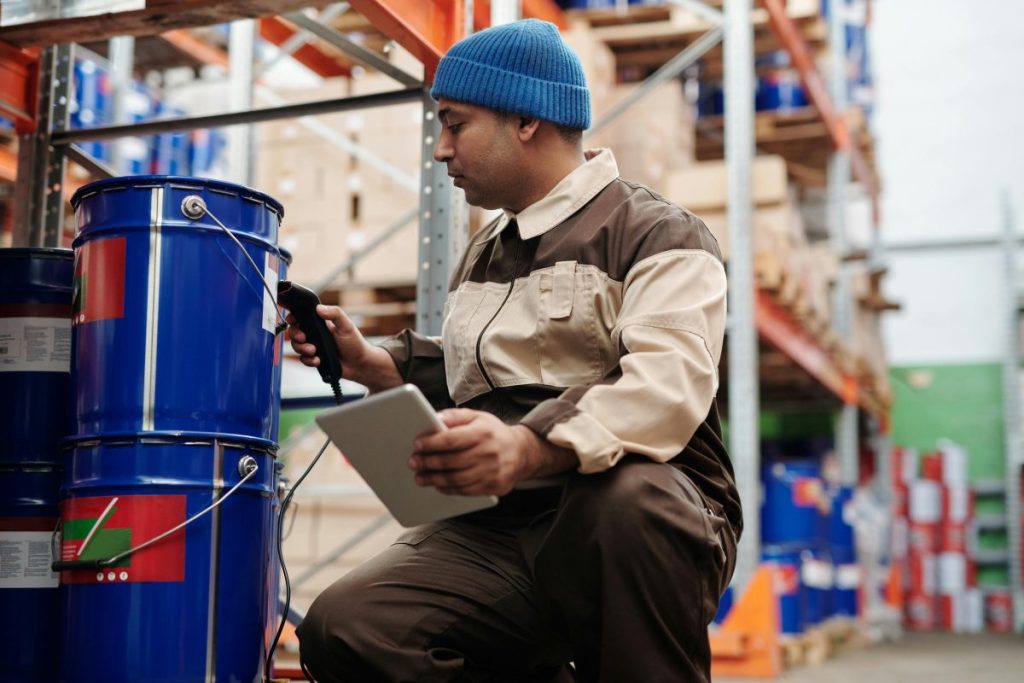
Photo by Tiger Lily
The integration of technology into warehouse operations has redefined how businesses manage logistics, inventory, and workforce efficiency. From automation and IoT to AI and cloud solutions, these tools provide a unified, data-centric approach that eliminates delays and enhances coordination.
Warehouses that embrace these tech-driven strategies position themselves for long-term success, meeting rising market demands with agility and precision. The future of warehousing lies in the intelligent use of technology to build smarter, more connected systems that deliver consistent value across the entire supply chain.