A Timeless Way to Recognize Service and Achievement
Every year, thousands of people across Mississippi serve their communities. They don’t expect anything back. Firefighters answer calls at 3 a.m. Volunteers run food drives. Teachers stay after school to help students who are struggling. Nobody sees most of these acts. But they keep communities running.
Recognition programs give communities a way to say thank you. A simple verbal thank you matters. But physical tokens create lasting memories. Organizations from military units to local nonprofits have learned this lesson. Many work with providers like Challenge Coins 4 Less to create custom recognition items that employees and members actually keep. Physical recognition strengthens team bonds. It inspires people to keep showing up.
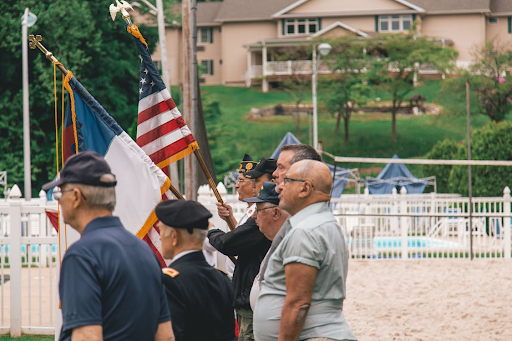
Photo by Craig Adderley
Why Recognition Programs Work
People who feel valued stick around longer. They stay engaged with their organizations. Federal workplace studies back this up. Recognition directly affects how long people stay and how they feel about their work. Service members and first responders who receive acknowledgment keep contributing.
Recognition also shows what matters to an organization. Leaders highlight specific achievements. This signals which behaviors count most. A police department honors officers for community work. That sends a clear message about values. A business celebrates employee anniversaries. That builds loyalty and cuts turnover.
Both small towns and big cities need formal recognition. These programs create shared stories. They connect people. Newer members see examples to follow. Veterans get reasons to mentor the next generation.
The Story Behind Challenge Coins
How the Tradition Started
Military units have used challenge coins for over a century. These small metal coins show unit symbols and mottos. Soldiers carry them as proof they belong. The coins remind them of experiences they shared.
The tradition might have started during World War I. A wealthy officer supposedly made bronze medallions for his squadron. One pilot got captured but survived. His medallion proved his identity to French forces. The story might be partly a legend. But challenge coins became standard across all military branches by Vietnam.
Modern Uses Beyond the Military
Organizations outside the military adopted this practice. Police departments give coins to officers who go above and beyond. Fire stations present them to recruits who finish training.
These coins work because they last and feel personal. People carry them in pockets. They display them at home. Certificates get filed away and forgotten. Coins stay visible. They start conversations. They connect people who earned similar honors.
Different Ways to Show Appreciation
Challenge coins represent one option among many. Each type of recognition serves different purposes:
- Plaques and certificates work well for formal ceremonies
- Letters of commendation become part of official files
- Public announcements at meetings give immediate peer recognition
- Personalized gifts show individual attention to detail
The best recognition matches the person and the achievement. A teenager volunteering for the first time might love a certificate. A retiring firefighter with thirty years deserves something substantial. Think about what will mean most to each person.
Timing matters just as much as the item itself. Quick recognition carries more weight. A teacher helps a struggling student succeed. Recognize that effort within days. It reinforces the behavior. Wait months, and the impact fades.
Cost shouldn’t stop you from recognizing people. Handwritten notes from supervisors cost nothing. They still mean a lot. Public praise at meetings only requires time. For major milestones, though, invest in lasting tokens. This shows the organization truly values the contribution.
Building Regular Recognition Habits
Set Up a Schedule
Organizations that recognize service randomly miss chances to build culture. Regular recognition requires planning. Someone needs to track achievements. Someone needs to make sure recognition actually happens.
Successful programs run on schedules. Monthly meetings include time for shoutouts. Quarterly awards identify standout service. Annual ceremonies honor major milestones. These scheduled moments prevent recognition from getting lost during busy times.
Create Clear Standards
Clear criteria keep recognition fair. Everyone should understand what earns acknowledgment. This makes the process feel legitimate. Random praise creates problems. Some people get frequent recognition. Others get overlooked despite doing similar work. That breeds resentment.
Include Peer Recognition
Peer nominations add real value. Team members often spot worthy recipients that bosses miss. The U.S. Office of Personnel Management found something interesting. Peer recognition programs boost satisfaction across federal agencies. Coworkers see daily efforts that supervisors might not notice.
Starting Your Own Program
Define Your Goals
Write down what you want to achieve. Which behaviors should the program encourage? What achievements deserve acknowledgment? Clear answers create a foundation. They help you make consistent decisions later.
Plan Your Budget
Some programs need minimal money. Others require dedicated funding. Even small organizations can start cheaply and grow. The commitment matters more than the format. Figure out what you can afford now. Plan how to expand later.
Choose Quality Providers
Physical recognition items need reliable suppliers. Organizations ordering custom coins or plaques should research carefully. Quality matters because people keep these items for years. Poor quality sends the wrong message. It suggests leadership doesn’t really value their service.
Communicate the Program
Staff need to know the program exists. They need to understand how it works. Regular updates about recent recognition keep things visible. This encourages more participation. Nobody can earn recognition they don’t know about.
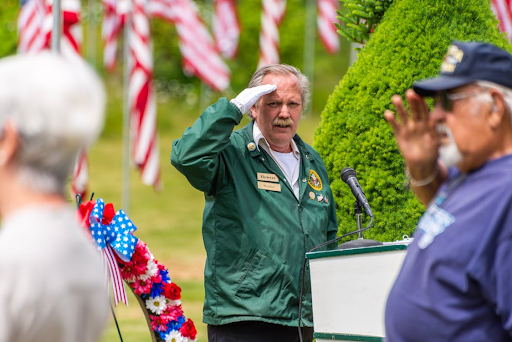
Photo by Bryce Carithers
How Recognition Builds Culture
The best programs create lasting stories. A fire station displays coins from different decades. New recruits see the department’s full history. A business showcases employee awards. Customers see an organization that values its people.
Recognition shapes organizational identity over time. New members learn quickly that service gets noticed. This expectation guides behavior. It attracts people who want their work to matter.
Communities built on gratitude keep their best people. This applies everywhere. Volunteer groups keep volunteers. Public service roles retain experienced workers. Businesses hold onto talented employees. People who feel valued contribute more. They stay longer.
Physical tokens like coins bridge generations. Veterans pass down coins from career highlights. These items carry stories that records can’t capture. They remind everyone that today’s service joins a long tradition.