What Modern Athletes Are Doing Differently for Mental and Physical Recovery
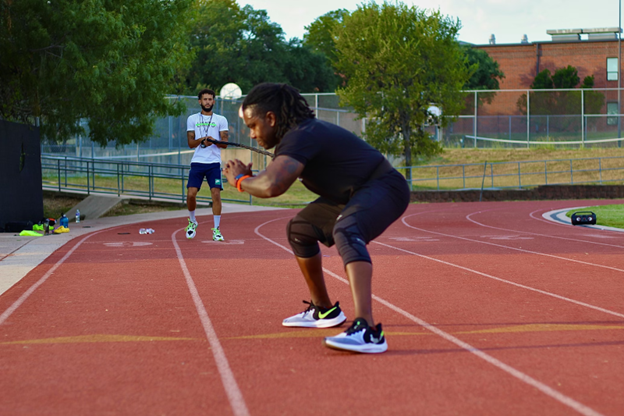
The way athletes recover has changed dramatically over the past decade. Gone are the days when rest and ice packs were considered enough. Today, recovery means so much more. Athletes are now looking at the bigger picture, focusing on both their bodies and their minds.
This shift did not happen overnight. It came from years of learning, research, and honest conversations. Athletes started realizing that pushing through pain was not always the answer. They began to understand that mental wellness is just as important as physical strength.
Modern fitness providers like Kinta Fitness are playing a key role in this transformation. They are helping athletes access better training environments and recovery-focused equipment. This support system is making a real difference in how athletes prepare, perform, and bounce back.
In this article, we will explore how athletes are approaching recovery differently today and why this matters for the future of sports.
The Evolution of Physical Training and Recovery Methods

How Training Facilities Have Transformed
Training facilities have come a long way. What used to be simple gyms with basic weights have now become advanced recovery hubs. These spaces are designed with athlete wellness in mind.
Today, you will find facilities equipped with specialized machines that target specific muscle groups. Recovery areas now include tools for stretching, mobility work, and injury prevention. The focus has shifted from just building strength to maintaining overall health.
Coaches and trainers have also changed their approach. They now understand that overtraining can lead to injuries and burnout. So, they design programs that include proper rest days and active recovery sessions.
The Role of Specialized Equipment in Athlete Rehabilitation
When an athlete gets injured, the road to recovery can be long. But having the right equipment can make a big difference. Specialized machines allow athletes to work on injured areas without putting too much strain on them.
Rehabilitation equipment helps athletes regain strength gradually. It also allows them to stay active while healing, which is important for both physical and mental health.
Different regions around the world are investing in this kind of infrastructure. For example, Perth gym equipment solutions are helping local athletes access high-quality tools for training and rehabilitation. This kind of regional support is helping athletes at all levels recover better and faster.
Why Mental Wellness Has Become a Priority in Sports
Breaking the Silence Around Athlete Mental Health
For a long time, mental health was a topic athletes avoided. There was a stigma attached to it. Many believed that admitting to mental struggles was a sign of weakness. But that mindset is changing.
In recent years, many high-profile athletes have opened up about their experiences with anxiety, depression, and other mental health challenges. These conversations have helped break down barriers. They have shown that even the strongest athletes can struggle mentally.
Sports organizations are also stepping up. Many now offer mental health resources and encourage athletes to seek help when needed. This culture shift is making sports a healthier space for everyone involved.
The Rise of Rehabilitation Programs for Athletes
Mental recovery is now being treated with the same importance as physical recovery. Athletes are seeking out structured programs that help them work through their challenges in a supportive environment.
These programs often combine therapy, group support, and wellness activities. They are designed to help athletes process their experiences and build resilience.
In places like New Zealand, Mental rehab programs are becoming more accessible. Athletes are finding spaces where they can focus on healing their minds without judgment. This kind of support is helping many return to their sport stronger than before.
Addressing Substance and Behavioral Challenges Among Athletes
Understanding the Pressures That Lead to Substance Use
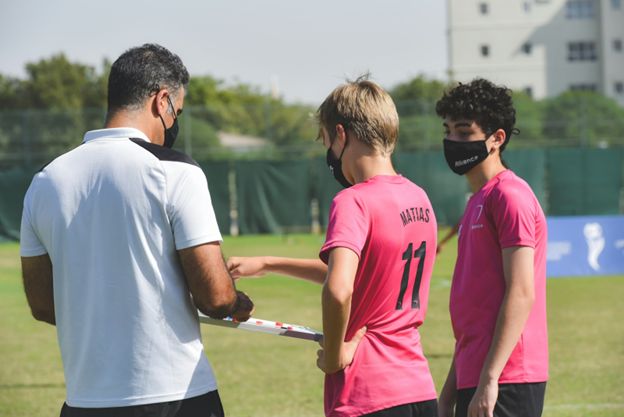
Athletes face unique pressures. The need to perform, the fear of injury, and the constant scrutiny can take a toll. For some, these pressures lead to unhealthy coping mechanisms.
Pain management is another area of concern. Many athletes deal with chronic pain from injuries. In some cases, reliance on painkillers can develop into dependency issues. The sports world is now more aware of these risks and is taking steps to address them.
Open conversations about these challenges are helping reduce shame. Athletes are being encouraged to seek help early rather than hiding their struggles.
How Professional Counseling Is Supporting Athlete Recovery
Professional counseling has become a key part of athlete recovery. Talking to a trained professional can help athletes process their emotions and develop healthier habits.
Counseling is no longer seen as something to be embarrassed about. Many athletes now view it as a regular part of their wellness routine. It helps them manage stress, deal with setbacks, and stay mentally sharp.
Access to these services is growing around the world. For instance, drug counselling Auckland services are providing athletes in the region with specialized support. Having local access to professional help makes it easier for athletes to take that first step toward recovery.
Building a Sustainable Recovery Routine for Long-Term Success
Combining Physical and Mental Recovery Strategies
The most successful athletes are those who take a balanced approach to recovery. They understand that physical and mental health are connected. You cannot truly heal one without addressing the other.
Many athletes now work with teams that include coaches, trainers, physiotherapists, and mental health professionals. This collaborative approach ensures that all aspects of an athlete’s wellbeing are covered.
Recovery routines often include a mix of physical therapy, meditation, counseling, and rest. Athletes are encouraged to listen to their bodies and take breaks when needed. This sustainable approach is helping many enjoy longer and healthier careers.
What the Future Holds for Athlete Recovery Programs
The future of athlete recovery looks promising. Technology is playing a bigger role, with wearable devices tracking recovery metrics in real time. Wellness apps are helping athletes monitor their mental health and stay on track with their routines.
Sports organizations are also investing more in recovery infrastructure. We can expect to see even more specialized facilities and programs in the coming years. The goal is to create environments where athletes can thrive both on and off the field.
Conclusion
Modern athletes are rewriting the rules of recovery. They are no longer focusing solely on physical strength. Instead, they are embracing a holistic approach that includes mental wellness, professional support, and sustainable practices.
This shift is making sports healthier and more inclusive. Athletes are performing better because they are taking care of their whole selves. As this trend continues, we can expect to see even more positive changes in the world of sports.
Frequently Asked Questions
Why is mental health important for athletes?
Mental health directly affects performance, focus, and motivation. Athletes who take care of their mental wellness are better equipped to handle pressure, recover from setbacks, and maintain consistency in their training.
How do rehabilitation programs help athletes recover?
Rehabilitation programs provide structured support for both physical and mental recovery. They offer therapy, wellness activities, and professional guidance to help athletes heal and return to their sport stronger.
What role does fitness equipment play in athlete recovery?
Specialized fitness equipment allows athletes to target specific muscle groups during rehabilitation. It helps them regain strength gradually while minimizing the risk of further injury.
How can athletes access mental health support?
Many sports organizations now offer mental health resources. Athletes can also seek help from private counselors, rehabilitation centers, and wellness programs available in their region.