Unity begins to gain ground in global currency design
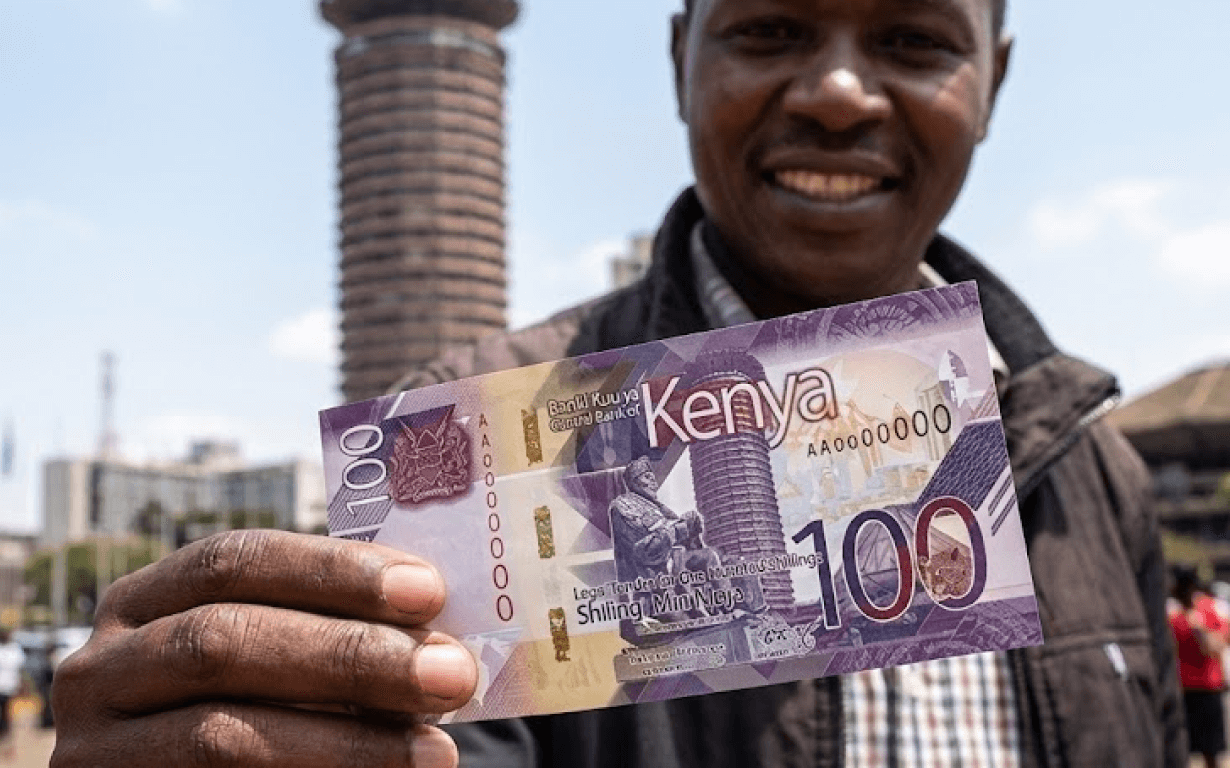
A study shows that while history remains the main axis of the world’s currencies (38.5%), symbols of unity and shared values are beginning to appear, now present in 7.6% of designs.
Buena Park, California, 22 January – The design of money continues to largely reflect national identities, but a new analysis by Ria Money Transfer indicates that some countries and regions are beginning to incorporate symbols that point to shared values and a more connected identity.
History remains the main point of reference
According to the study, 38.5% of the symbols present on the most widely used currencies globally refer to history and national heritage, making it the most frequent theme in current currency design.
These symbols include political leaders, independence heroes, monuments, and foundational moments. Their presence reinforces the role of money as an everyday vehicle of national memory and identity.
The analysis examined the currencies with the greatest weight in international foreign exchange markets and took into account all symbolic themes present on their current banknotes.
Among the most representative examples are Nelson Mandela on the South African rand, as a symbol of reconciliation and political memory, and Mahatma Gandhi on the Indian rupee, associated with the values of independence and moral leadership.
Unity, an emerging value in the language of money
Alongside this strong emphasis on history, the study identifies the presence of symbols of unity, shared identity, and collective values in 7.6% of the elements analyzed.
Although this remains a relatively small proportion, the analysis underscores that unity is one of the most complex values to translate into a visual language, which makes its emergence in currency design particularly significant.
This approach is especially relevant in a context of economic globalization and intense flows of people, capital, and culture between countries.
The euro, a benchmark for shared identity
The clearest references to unity are concentrated in very specific cases. The most representative example is the euro banknotes.
Their design deliberately avoids real people or identifiable monuments and instead relies on fictional bridges and windows, conceived as symbols of connection, dialogue, and cooperation among member states.
This choice positions the euro as one of the few contemporary currencies that prioritize a shared supranational identity, marking a different direction within the global monetary landscape.
Money as a cultural reflection in a connected world
“Money design is not neutral,” the analysis notes. “It reflects how societies choose to define themselves and which values they decide to put into circulation every day.”
For Ria Money Transfer, which facilitates cross-border money transfers for millions of people every day, these findings reinforce the idea that money carries not only economic value but also cultural meaning.
Each transfer connects economies, but also identities, memories, and ways of understanding the world.
The full study explores in greater depth how monetary symbolism varies by region and what these visual decisions reveal about how countries represent themselves in a global context.