How Engine Replacement Supports Operational Continuity in Fleets
Keeping trucks rolling is the simplest way to protect margins and service promises. Engine replacement is one of the fastest levers a fleet can pull when reliability slips, emissions rules shift, or repair queues grow. Done with a clear plan, it keeps assets earning, drivers moving, and customers confident.
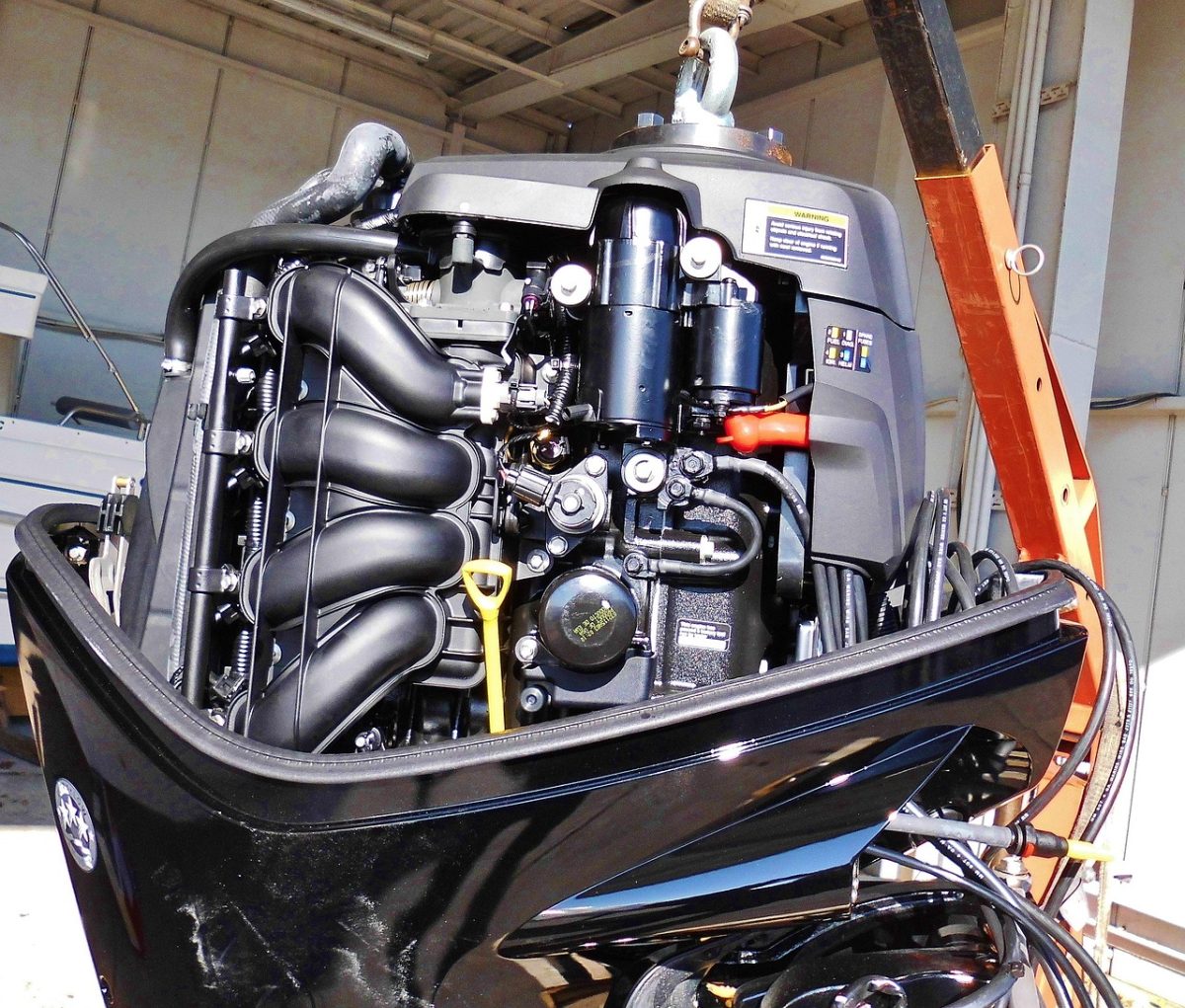
Image by Ulrich Dregler from Pixabay
Uptime Is the Operating System of a Fleet
Every hour a truck is down, schedules bend, and costs creep in. Backlogs build, dispatchers reshuffle routes, and drivers lose paid miles. Engine replacement focuses on restoring a unit to predictable performance so planners can depend on it again.
Treat the truck like a mobile production line station. If the station fails, the line slows. A fresh or reman engine gets that station back in sequence, which stabilizes route density, trailer turns, and return-to-depot times. The outcome is fewer surprises and steadier revenue.
Replacement vs Overhaul
Replacing a failing engine rarely needs to mean retiring the whole truck. Many fleets standardize on a small set of platforms and insert fuel-efficient Cummins ISX15 Engines where power, parts availability, and driver familiarity line up. That consistency streamlines diagnostics, reduces stocking needs, and keeps backup units ready.
Overhauls have a place when downtime is planned, and the chassis has long life left. Replacement shines when bays are full, lead times are tight, or a unit needs to reenter service quickly with predictable performance. Match the duty cycle to the engine spec, not the other way around.
Downtime and Why Speed Matters
When downtime drags, small leaks in productivity turn into real money. A national trucking research group estimated the average operating cost in 2024 at about $2.26 per mile, which means delays compound quickly as those costs continue regardless of movement. Knowing this math turns engine replacement into a time-to-value decision.
Consider how costs stack up during an extended engine repair queue:
- Fixed costs keep ticking even with zero miles
- Driver utilization drops or requires sub-optimal reassignments
- Loads shift to spot capacity at higher rates or fall off entirely
- Rental and loaner units add overlap and handoff complexity
- Warranty clocks and PM intervals fall out of sync
Regulatory Readiness and What to Do to Stay Compliant
Rules are changing, and the timeline matters. A federal final rule issued in 2024 set stronger greenhouse gas standards for heavy-duty vehicles starting with model year 2027, pushing fleets to factor future emissions performance into today’s decisions. Engine replacement can be a bridge that keeps assets compliant enough now while shaping the path to next-generation powertrains later.
Think in stages to achieve successful planning. Replace engines that are causing repeat service events today, and map which model years will age into tighter standards next. That plan protects uptime and avoids a last-minute scramble that strains capital, shop capacity, and training.
Parts and Labor Trends
Market conditions can open small but useful windows for major work. A technical council update in mid 2024 noted combined parts and labor expenses dipped about 0.7% in the second quarter, which may seem minor but can meaningfully lower the bill on multi-day jobs when multiplied across a fleet. Replacement programs benefit when they ride these troughs instead of peaking with everyone else.
Shops feel these swings in their calendars too. When costs soften, bays may be easier to book, and tech hours are easier to secure. Planning engine replacements during these periods shortens cycle time, reduces rental needs, and keeps the rest of the maintenance plan on track.
The Replacement Window and Lifecycle Planning
Every truck has a sweet spot when replacement pays back quickly. It sits just before failure patterns accelerate, warranty coverage fades, and fuel efficiency trends downward. Replacing them makes the uptime gain visible because it avoids the cluster of small, repeated service visits that steal days from the schedule.
Make-ready steps that protect continuity and set a standard pre-swap checklist that covers harnesses, mounts, fluids, sensors, and calibration. Pair it with a post-swap shakedown route that mirrors real loads and grades. Those two steps catch small issues early and prevent a second trip to the bay.
Standardization, Training, and Spares Keep the Line Moving
Operational continuity improves when techs and drivers see the same engine families frequently. Standard parts bins, consistent diagnostic routines, and shared troubleshooting playbooks shrink the time from fault code to fix. Engine replacement that reinforces standardization reduces cognitive load in the shop and on the road.
A simple playbook helps new swaps succeed:
- Lock approved engine specs by route profile and GCWR
- Pre-stage gaskets, sensors, and wear items for the first 90 days
- Update ECM parameters and verify with a loaded road test
- Train drivers on break-in habits and warning-light thresholds
- Schedule an early oil analysis to baseline the new setup
Fuel Economy and Route Reliability After Replacement
After a swap, the first wins show up in steadier MPG and fewer derates. Fresh engines hold power under grade, cut regen surprises when emissions systems are healthy, and keep cruise speeds consistent. That steadiness supports accurate ETAs, which is the heartbeat of service reliability.
The second wave of gains is in planning. Dispatchers can route with more confidence when they trust the truck’s performance envelope. That lowers buffer time on schedules, which frees capacity without adding tractors.
Data Signals That Point to Replacement
Engines rarely fail without warning. Look for rising active fault frequency, repeated derate conditions, and creeping idle percentages. When small misses cluster, they create a pattern that points to a bigger decision. Replacement stops the pattern and resets the clock on reliability.
Don’t ignore fuel variance either. If two sister trucks run the same lanes but one is burning more fuel and living in the shop, an engine swap can return both to the same baseline. That makes costs predictable again and keeps the network balanced.
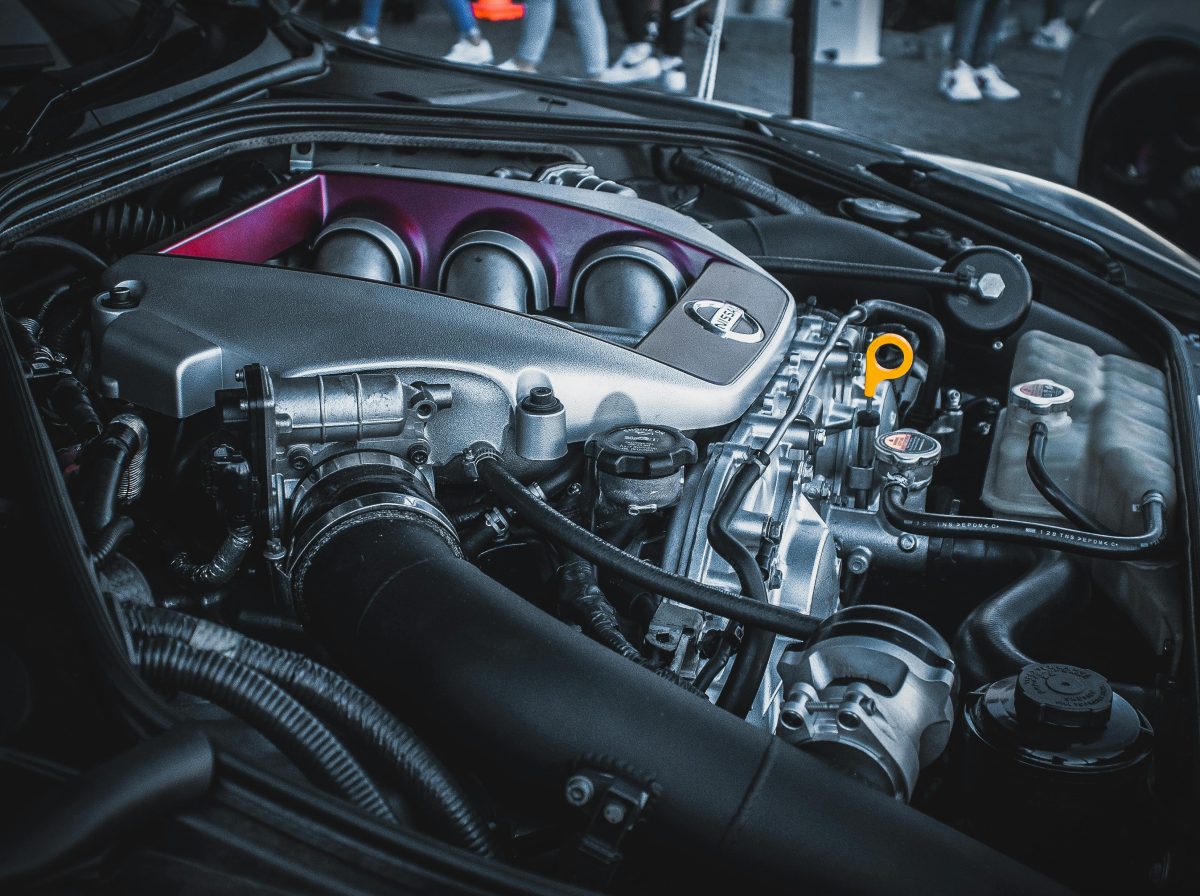
Photo by Jay jay Redelinghuys
Fleet leaders do not need the perfect engine replacement plan to get real results. They need a clear trigger, a standard parts and training package, and a slot on the calendar that avoids peak season. When replacement is used this way, it protects uptime, cushions regulatory change, and keeps trucks doing what they are built to do: move freight, every day.