How Hip and Back Pain Are Often Linked Together
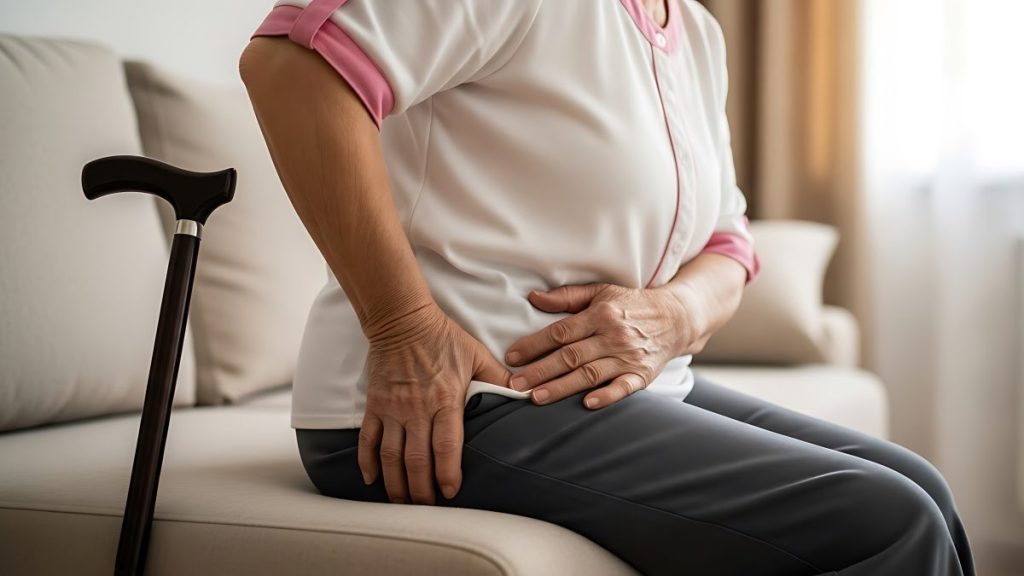
Many people think hip pain and back pain are separate problems. One day, the lower back feels stiff after sitting too long, and another day, the hip hurts during a short walk. These areas, however, rarely work alone. The hips, pelvis, and lower spine move together each time a person stands, bends, or turns. When one area struggles, the other takes on extra work, and discomfort often follows.
The Body Moves as One Unit
The body works as a chain rather than a collection of separate parts. The hips and lower back are connected through the pelvis, surrounding muscles, and nerves along the spinal column. Together, they support body weight and maintain balance.
Standing from a chair, walking across a room, or reaching toward a table all require the hips and spine to cooperate. When hip movement is limited, the lower back bends more to make up for it. Repeated strain irritates joints and tightens muscles, which can gradually lead to lower back pain. Many people then assume the back is the main problem when the hip is the issue.
How Hip Problems Can Trigger Back Pain
Hip issues rarely stay limited to the hip joint itself. Because the spine and pelvis rely on the hips for movement, the lower back often becomes the area that compensates. If persistent hip pain is present, it helps to review reliable educational resources from medical providers or rehabilitation clinics. Learning how the joint moves and what activities aggravate it often prevents the problem from spreading to the back.
Limited Hip Motion
Healthy hips bend and rotate smoothly. A normal range of motion allows daily tasks such as bending, walking, and climbing stairs to occur without strain. When that motion becomes restricted, the lower back compensates.
Bending down to tie one’s shoes should mainly involve the hips. If the hips are tight, the lower back bends repeatedly instead. Over time, soreness develops.
Hip arthritis or joint inflammation often causes this pattern. As the joint stiffens, walking changes slightly. A small forward lean increases pressure on the lumbar spine and leads to back stiffness.
In advanced cases, some patients eventually require a hip replacement. After surgery, many notice their back pain improves because the body no longer needs to compensate for the stiff joint.
Weak Gluteal Muscles
The glute muscles stabilize the pelvis during movement. When they weaken, the pelvis tilts and the lower back arches more than normal. That extra curve places stress on joints and ligaments within the spinal column.
Long periods of sitting contribute to this problem. The glutes weaken while the front of the hips tightens. Later, normal activities like walking or carrying groceries trigger lower back pain.
Changes in Walking Pattern
Hip discomfort can cause a subtle limp. The body shifts weight away from the painful side, forcing the opposite side of the lower back to work harder. With time, one-sided back pain appears and may even affect posture during standing.
How Back Problems Can Cause Hip Pain
The source of hip pain is not always in the hip. Conditions in the lower spine can send pain signals into nearby areas, including the buttocks and outer hip. Understanding this pattern helps explain why treatment sometimes focuses on the back even when the hip hurts.
Nerve Irritation
Nerves from the lumbar spine travel into the buttocks and hips. When a herniated disc presses on one of these nerves, pain spreads along the nerve’s path.
A person may feel a deep ache in the buttock or outer hip and suspect a hip injury. Sitting often worsens the pain while gentle walking improves it, which suggests the source is the back rather than the joint.
Joint Strain in the Lower Back
Small joints in the spine guide movement. When joint inflammation develops, nearby muscles tighten and pull on the pelvis. Because these muscles attach near the hip, the hip becomes stiff and sore during movement, especially when turning or getting into a car.
Posture Changes
To avoid pain, a person may lean forward or sideways. Over time, uneven weight distribution irritates the supporting tissues around the hip, leading to hip discomfort even though the hip joint itself is not injured.
Muscles That Directly Link the Two Areas
Several important muscles physically connect the hip and the spine. When they tighten, weaken, or become irritated, symptoms may appear in either location rather than just one.
Hip Flexors
These muscles sit at the front of the hip and attach to the lower portion of the spinal column. When tight, they pull the spine forward and increase the lower back curve. The joints in the lumbar spine then experience added pressure.
Long sitting periods commonly shorten these muscles. Stiffness is often felt when standing after sitting for a long time.
Gluteal Muscles
Strong glutes keep the pelvis steady during walking. Weak glutes allow the pelvis to drop slightly, and the lower back bends side to side to compensate. This repeated motion causes fatigue and soreness.
Piriformis Muscle
This small muscle lies deep in the buttocks near a major nerve. When irritated, it can press on the nerve and send pain from the hip into the leg. Because of its location, it is often mistaken for a spinal condition.
Daily Habits That Worsen the Problem
Certain daily routines place repeated strain on both the hip and the lower back. Over time, these habits can maintain or worsen discomfort even without a clear injury.
Prolonged Sitting
Sitting for long hours tightens the front of the hips and weakens stabilizing muscles. When standing, the lower back absorbs more force than intended, which leads to stiffness.
Poor Lifting Technique
Bending at the waist instead of the hips overloads the spine. The hips are designed to handle bending and lifting, so failing to use them increases strain on the lower back.
Unsupportive Footwear
Shoes without proper support change walking mechanics. The ankles and knees shift slightly, the hips rotate differently, and the lower back compensates to maintain balance.
Signs Both Areas Are Involved
Certain patterns suggest the hip and back are influencing each other. Recognizing these signs helps guide proper treatment and prevents focusing on the wrong area.
- Pain shifts between the lower back and hip
- One side hurts more than the other
- Sitting worsens discomfort, but light movement helps
- Walking longer distances increases soreness
- Stretching the hip changes back pain
What Usually Helps
Relief often comes from addressing both regions rather than treating only one. Small adjustments in movement, strength, and flexibility can reduce stress across the entire system.
Mobility Exercises

Gentle stretching of the hips and hamstrings improves flexibility and restores range of motion. This reduces strain on the lumbar spine.
Strengthening Support Muscles
Exercises such as bridges and controlled squats strengthen the glutes and core muscles. These muscles stabilize the pelvis and support the lower back during daily activities.
Better Movement Habits
Learning to bend at the hips instead of the waist protects the back. When lifting an object, bending the knees and pushing the hips backward keeps the spine in a safer position.
Professional Evaluation
If pain continues, a healthcare professional can assess movement patterns and determine whether the hip or spine began the problem. Early treatment helps prevent recurring discomfort.
Conclusion
Hip and back pain often occur together because the two regions share muscles, posture, and movement. A stiff hip can overload the spine, while a nerve problem in the lower back can create hip discomfort. Daily habits such as long sitting or improper lifting often keep the cycle going. Addressing both areas at the same time usually improves recovery. Understanding the connection helps people manage symptoms earlier and avoid long-term problems.