Steps to Legally Dissolving a Marriage: A Guide
Ending a marriage is a major life shift that requires a clear plan. It involves many legal steps that can feel heavy at times. Taking things one step at a time helps manage the weight.
This guide explains how the process works so you can move forward with confidence. Understanding the rules helps you prepare for the changes ahead. You can build a stable future by following the right legal path.
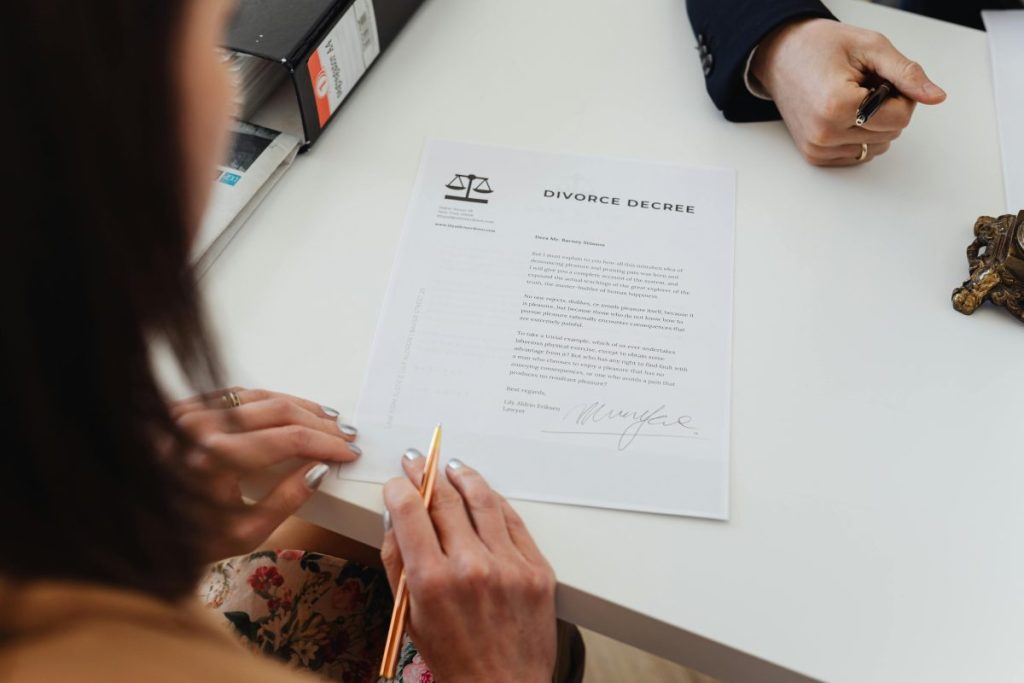
Understanding The Initial Legal Requirements
The first step involves meeting certain residency or connection criteria for the court to hear your case. Learning about divorce law in Singapore is a common starting point for couples living in the region. Most jurisdictions require at least 1 spouse to have lived in the area for a set time. This check confirms the local court has the power to handle the matter.
Proving the marriage has broken down is the core of any legal filing. This usually requires showing facts like separation or mutual agreement. Different regions have different rules for what counts as a valid reason for the split.
Preparation is key as you start gathering the facts for your filing. You need to be sure about your dates and living arrangements. Clear records make the first legal meetings go much faster.
Deciding On Legal Representation
Choosing whether to hire a lawyer is a big decision for most people. A study by a financial news outlet found that the person filing the case is 42% more likely to have a lawyer compared to only 23% for the other spouse.
Having a professional can help manage the paperwork and legal deadlines. It often makes the path clearer when things get complicated or stressful. Legal experts know how to handle the small details that others might miss.
You should look for someone who understands your specific goals. A good lawyer listens to your needs and explains the law in plain words.
Filing The Matrimonial Application
The paperwork must follow the latest court rules to be accepted by the clerk. New guidelines from late 2024 state that applications must follow exact family justice rules and practice directions to be valid. Following these rules prevents delays in your case as it moves through the system.
Once the papers are ready, they must be filed with the court and served to the other spouse. This officially starts the legal clock for the dissolution. The court needs proof that both parties know about the legal action.
Accuracy is the most important part of this stage. Any mistakes in the names or dates can cause the court to reject the forms. Double-checking every line helps make sure the process stays on track.
Managing The Emotional Aspects
The legal side is only part of the story when a marriage ends. A lifestyle publication mentions that emotions run high during this time, which can cloud a person’s judgment. Staying calm helps you make better long-term decisions for your future.
Setting aside time for self-care is a smart move for everyone involved. It allows you to think clearly when discussing assets or family matters. You might find that taking breaks helps you stay focused on the task at hand.
Support from friends or family provides a helpful safety net. Talking through your feelings can prevent you from acting on impulse. Clear thinking is your best tool when navigating the legal world.
Dividing Assets And Debts
Splitting up property and money requires a detailed look at everything you own together. You need to list all bank accounts, homes, and retirement funds. It creates a fair picture for the court to review.
Common items to organize include:
- Shared savings accounts
- Real estate deeds
- Credit card balances
- Vehicle titles
- Pension plans
Organizing files early saves time later in the process. It makes sure the sides have a fair view of the marital estate. Transparency helps speed up the final agreement between both parties.
Finalizing The Court Orders
After all agreements are reached, the court reviews the terms for fairness. If everything meets legal standards, a judge will issue a conditional order.
A waiting period usually follows before the final decree is granted. Time allows for any last-minute issues to be settled by the legal teams. It is a time for reflection before the marriage is officially over.
Once the final order is signed, the marriage is legally dissolved. You are then free to move forward into your next chapter.

Starting a new path takes time and patience. Focus on the future as you navigate these changes. You have the tools to handle the transition well.
Small steps lead to big progress over time. You have the strength to build a stable life ahead. Peace comes from knowing you have followed the right steps.
Read more: Getting A Divorce? Here Is How You Can Choose A Suitable Divorce Lawyer
Read more: What to Focus on During a Divorce
Read more: Tips for Couples Going Through a Divorce