Duck Hunting for Beginners: How to Get Started
Stepping into a marsh before sunrise is a unique experience that many people find addictive. The sound of wings overhead and the cold morning air create a memory that stays with you long after the season ends. Getting started requires some preparation, but the reward of a successful hunt makes the effort worth it.
You should focus on learning the basics of bird identification and safety before you buy any gear. Every hunter begins as a student of the wetlands and the creatures that live there. Taking the time to understand the environment will make your first trips much more productive and enjoyable.
Understanding Federal And State Regulations
You need to secure the proper licenses and stamps to stay compliant with wildlife laws. All waterfowl hunters 16 years of age or older must have a current Federal Migratory Bird Hunting Stamp.
The rules can change based on the specific species you are targeting during the season. New updates often shift how many birds you can take home in a single day. Some agencies propose to adopt the interim harvest strategy for pintail harvest management.
Staying updated on these shifts ensures you are following the latest conservation efforts. Check your local wildlife agency website for specific dates and bag limits in your area. This habit prevents legal trouble and supports the sustainability of the sport for everyone.
Selecting The Right Firearms And Ammunition
Choosing a shotgun is a personal decision that depends on your comfort and budget. Most beginners start with a 12-gauge or 20-gauge shotgun because they are versatile for various ducks. You should practice at a shooting range to become familiar with how your gun handles before heading to the water.
The type of shot you use is just as important as the firearm itself. Federal law requires specific materials to protect the environment from lead poisoning. Possession or use of shot other than Federally approved non-toxic shot is prohibited while hunting ducks, geese, and coots.
Steel, bismuth, and tungsten are common choices for modern waterfowlers. Each material has different ballistic properties and price points. Using the best app for duck hunters can help you track your gear and log which loads work best in your specific shotgun. Finding the right combination of gun and ammo takes some trial and error in the field.
Exploring Digital Licensing Options
The way hunters carry their credentials has changed recently to make things more convenient. You no longer have to worry about a paper stamp getting wet or lost in your bag. Effective July 1, 2024, the U.S. Fish and Wildlife Service implemented the Duck Stamp Modernization Act of 2023, allowing an individual to carry an electronic stamp.
This digital shift allows you to buy your permits on a smartphone while you are on the way to the blind. Most states now offer apps that store your hunting license and big game tags in one place. Having these documents on your phone saves time and keeps you organized during a busy morning.
Technology makes it easier to stay legal while focusing on the hunt itself. Make sure your phone is fully charged before you leave the house. A portable power bank is a smart addition to your kit to ensure you can show your digital stamp to a warden.
Scouting And Monitoring Waterfowl Populations
Finding where the birds are located is a skill that separates successful hunters from those who go home empty-handed. Populations fluctuate based on weather patterns and habitat conditions across the country. The total pond estimate was 4.2 million, which was 19% below the 2024 estimate and 20% below the long-term average.
Lower pond counts often mean birds will be concentrated in fewer areas. You should spend time driving around local waterways to see where ducks are feeding and resting. Look for sheltered spots where they can escape high winds and heavy rain.
Understanding these broader trends helps you pick the right days to go out. Monitoring migration reports will give you a head start on when new birds are arriving in your region. This knowledge allows you to plan your trips when activity is at its peak.
Learning Identification And Harvest Strategies
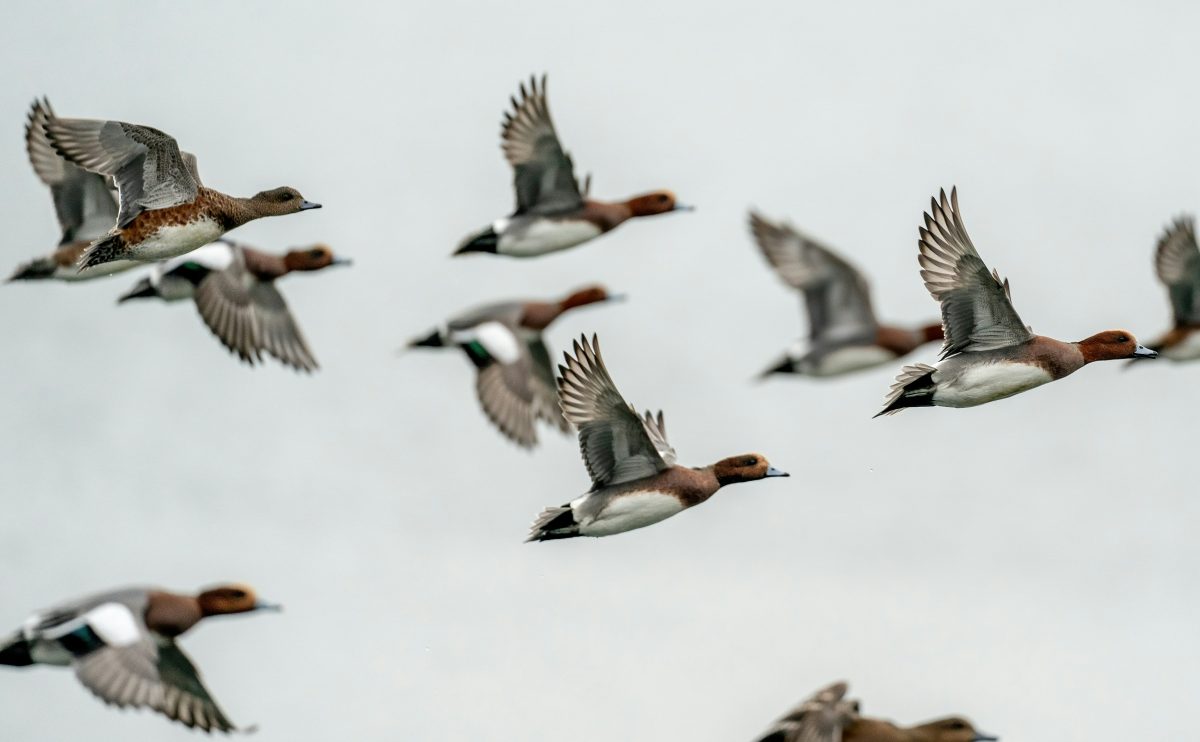
Knowing which duck is in your sights is a requirement for following harvest limits. Different species have different rules regarding how many you can harvest. Under the new USFWS interim pintail harvest strategy, hunters in all four flyways are expected to have a three-pintail daily bag limit option for the 2026-2027 season.
Distinguishing a mallard from a teal in low light takes practice and a sharp eye. You can study photos and videos to learn the flight patterns and silhouettes of common ducks. Many hunters use binoculars to get a better look at birds before they get within shooting range.
- Study wing colors and bill shapes for quick ID.
- Listen for specific calls that different species make.
- Watch how different ducks land in the decoys.
- Learn to spot the difference between hens and drakes.
Focusing on identification makes you a more ethical and skilled participant. It prevents you from accidentally exceeding the limit for a restricted species. Take a field guide with you to help verify your birds after the hunt is over.
Prioritizing Safety In The Marsh
Safety is the most important part of any outdoor activity involving firearms. Accidents are often preventable if you follow basic hunter education principles. Hunters who wear hunter orange are seven times less likely to be shot, according to safety statistics.
While orange is not always required for waterfowl, being visible to other hunters in your area is a smart move. Always keep your muzzle pointed in a safe direction and treat every gun as if it is loaded. Communication with your hunting partners ensures everyone knows where it is safe to shoot.
Understanding legal obligations is a core part of safety and the future of hunting. This includes knowing your zones of fire and respecting the space of other people in the marsh. A safe hunt is a successful hunt regardless of how many birds you bring home.
Understanding Daily Bag Limits And Totals
Limits vary by region and are designed to keep bird populations healthy for years to come. These numbers represent the maximum number of birds you can legally take in one day. The daily duck bag limit will be 6 ducks in aggregate and may not include more than 4 mallards for Atlantic Flyway states.
These totals can include a mix of different species, which is why identification is so valuable. Some birds might have a limit of only one or two per day. Keeping a running count in your head or on a notepad helps you stay within the law.
Once you reach your limit, it is time to pack up and head home. Following these rules protects the sport from overhunting and ensures birds return the following year. It is a shared responsibility that all hunters must take seriously.
Getting started in duck hunting is a journey that requires patience and a willingness to learn. You will find that the community is often helpful to those who are just beginning. With the right gear and a solid understanding of the rules, you are ready to head out for your first morning on the water.
Read more: The most unusual states for hunting
Read more: Ultimate Guide to Exotic Hunting in Texas
Read more: The Benefits of Hunting Coyotes in Mississippi