Fuel Efficiency Tips for Local and Long Drives
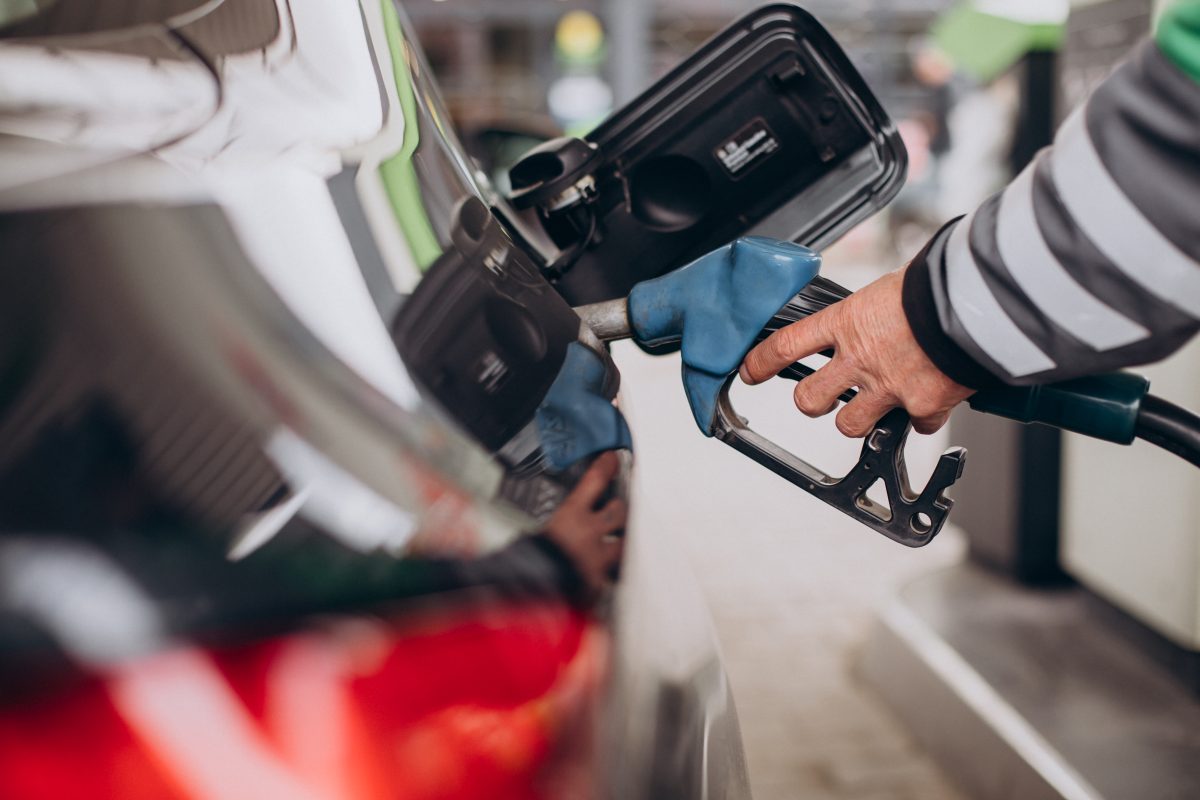
Fuel efficiency is an important consideration for drivers who want to reduce fuel costs, minimize environmental impact, and improve overall vehicle performance. Whether you are commuting through busy city streets or taking a long highway road trip, small changes in driving habits and vehicle maintenance can significantly improve fuel economy. Modern vehicles also offer advanced technologies that help drivers track and optimize fuel usage. Drivers exploring efficient vehicle options at Ford Houston, TX can find models designed to deliver excellent mileage while maintaining performance and comfort. However, regardless of the vehicle you drive, applying smart fuel-saving strategies can help maximize efficiency for both short daily trips and extended journeys.
Maintain Proper Tire Pressure
One of the simplest yet most effective ways to improve fuel efficiency is to maintain proper tire pressure. Underinflated tires create more rolling resistance, forcing the engine to work harder and consume more fuel. Even slightly low tire pressure can reduce fuel economy by several percentage points.
Drivers should regularly check tire pressure using a reliable gauge and compare it to the manufacturer’s recommended levels, usually listed on the driver’s door frame or in the owner’s manual. Maintaining proper tire pressure not only improves fuel efficiency but also enhances safety, handling, and tire lifespan.
It is also helpful to check tire pressure during seasonal temperature changes, as cold weather can cause pressure levels to drop. By keeping tires properly inflated, drivers can ensure smoother driving and better fuel economy for both local errands and long-distance travel.
Avoid Aggressive Driving
Driving behavior plays a major role in fuel consumption. Rapid acceleration, hard braking, and excessive speeding significantly reduce fuel efficiency. Aggressive driving forces the engine to burn more fuel than necessary, especially during stop-and-go traffic in urban environments.
Instead, drivers should adopt smoother driving habits by accelerating gradually and braking gently whenever possible. Maintaining steady speeds and anticipating traffic flow can help reduce unnecessary fuel use. For example, lifting off the accelerator early when approaching traffic lights or slow-moving vehicles can minimize the need for sudden braking.
Highway driving also benefits from consistent speed control. Using cruise control on open highways can help maintain a steady pace and improve fuel economy during long trips. Developing calm and controlled driving habits not only saves fuel but also contributes to safer driving overall.
Reduce Excess Vehicle Weight
Carrying unnecessary weight in your vehicle can negatively impact fuel efficiency. Every additional pound requires the engine to work harder, which increases fuel consumption. Items such as heavy tools, sports equipment, or unused cargo in the trunk can gradually reduce efficiency over time.
Drivers should regularly clean out their vehicles and remove items that are not needed for daily travel. This is especially important for smaller vehicles where extra weight has a more noticeable effect on fuel economy.
Roof racks and cargo carriers can also create aerodynamic drag when not in use. Removing them when they are unnecessary can improve airflow and reduce resistance, helping vehicles achieve better mileage during highway travel.
By keeping the vehicle lighter and more aerodynamic, drivers can maintain better fuel performance in both city and highway driving conditions.
Follow Regular Maintenance Schedules
Routine vehicle maintenance is essential for maintaining optimal fuel efficiency. A poorly maintained vehicle often consumes more fuel because its components are not operating at peak performance.
Important maintenance tasks include:
- Replacing air filters regularly to ensure proper airflow to the engine
- Changing engine oil according to manufacturer recommendations
- Keeping spark plugs in good condition
- Ensuring the fuel system is clean and functioning properly
A clean air filter allows the engine to breathe efficiently, improving combustion and fuel usage. Similarly, fresh engine oil reduces friction within the engine, allowing it to operate more smoothly and efficiently.
Drivers who follow routine maintenance schedules not only improve fuel efficiency but also extend the lifespan of their vehicles. Regular service inspections can also detect minor issues early, preventing costly repairs later on.
Plan Efficient Routes
Planning your driving routes can make a significant difference in fuel consumption. Traffic congestion, frequent stops, and inefficient routes often lead to wasted fuel and longer travel times.
Drivers can use navigation apps or vehicle navigation systems to monitor traffic conditions and select the most efficient routes. Real-time traffic updates can help avoid accidents, road construction, and congested areas that would otherwise lead to unnecessary idling.
For local errands, combining multiple stops into one trip can also save fuel. Instead of making several short trips throughout the day, completing tasks in a single route reduces engine warm-up time and improves overall efficiency.
For long-distance road trips, planning rest stops, fuel stations, and efficient highways in advance ensures smoother travel and better fuel management. Strategic route planning helps drivers reduce both travel time and fuel costs.
Limit Excessive Idling
Allowing a vehicle to idle for extended periods wastes fuel without providing any movement or benefit. Many drivers leave their engines running while waiting for passengers, warming up the car, or sitting in parking lots.
Modern engines generally do not require long warm-up periods, even in colder temperatures. In most cases, driving gently for the first few minutes after starting the engine is more efficient than letting the car idle.
If you expect to remain stopped for more than a minute or two, it may be more fuel-efficient to turn off the engine. This simple habit can reduce unnecessary fuel consumption and lower emissions, particularly in urban areas where idling is common.
Reducing idling is especially beneficial for drivers who frequently encounter heavy traffic or long waiting periods during daily commutes.
Use Air Conditioning Wisely
Air conditioning systems can increase fuel consumption because they place additional load on the engine. While air conditioning is often necessary for comfort during hot weather, especially in warm climates, using it strategically can help minimize fuel usage.
At lower speeds, opening windows may provide sufficient airflow without requiring the air conditioning system. However, at higher highway speeds, open windows can create aerodynamic drag that reduces fuel efficiency. In these cases, using air conditioning with closed windows may actually be more efficient.
Drivers should aim to maintain moderate cabin temperatures rather than extremely cold settings. Adjusting the climate control system gradually can reduce engine strain and improve overall fuel efficiency.
Balancing comfort and efficiency allows drivers to stay cool while minimizing unnecessary fuel consumption.
Monitor Fuel Economy
Many modern vehicles include built-in fuel economy monitors that display real-time efficiency data. These systems allow drivers to see how their driving habits affect fuel consumption and make adjustments accordingly.
Monitoring fuel economy helps drivers identify patterns that may be reducing efficiency. For example, sudden drops in fuel economy could indicate aggressive driving, heavy loads, or potential mechanical issues.
Some vehicles also include eco-driving modes that optimize throttle response, transmission behavior, and other systems to improve fuel efficiency. Using these features can help drivers maintain better mileage during both city driving and long-distance travel.
By paying attention to fuel economy indicators, drivers can develop better habits and maximize the efficiency of their vehicles.
Conclusion
Improving fuel efficiency does not require major changes or expensive upgrades. Instead, simple adjustments in driving habits, vehicle maintenance, and travel planning can significantly reduce fuel consumption. Maintaining proper tire pressure, avoiding aggressive driving, reducing excess weight, and following regular maintenance schedules all contribute to better fuel economy.
Planning efficient routes, minimizing idling, and using climate control wisely can further enhance efficiency during both local commutes and long road trips. Monitoring fuel economy through vehicle systems also helps drivers understand how their habits impact fuel usage and make informed adjustments.
Read more: Comparing Travel Capabilities of Cars and Trucks
Read more: Ford car Fuel Economy Ratings Guide
Read more: Fast Fuel Delivery: Minimizing Downtime for Critical Ops