Ford car Fuel Economy Ratings Guide
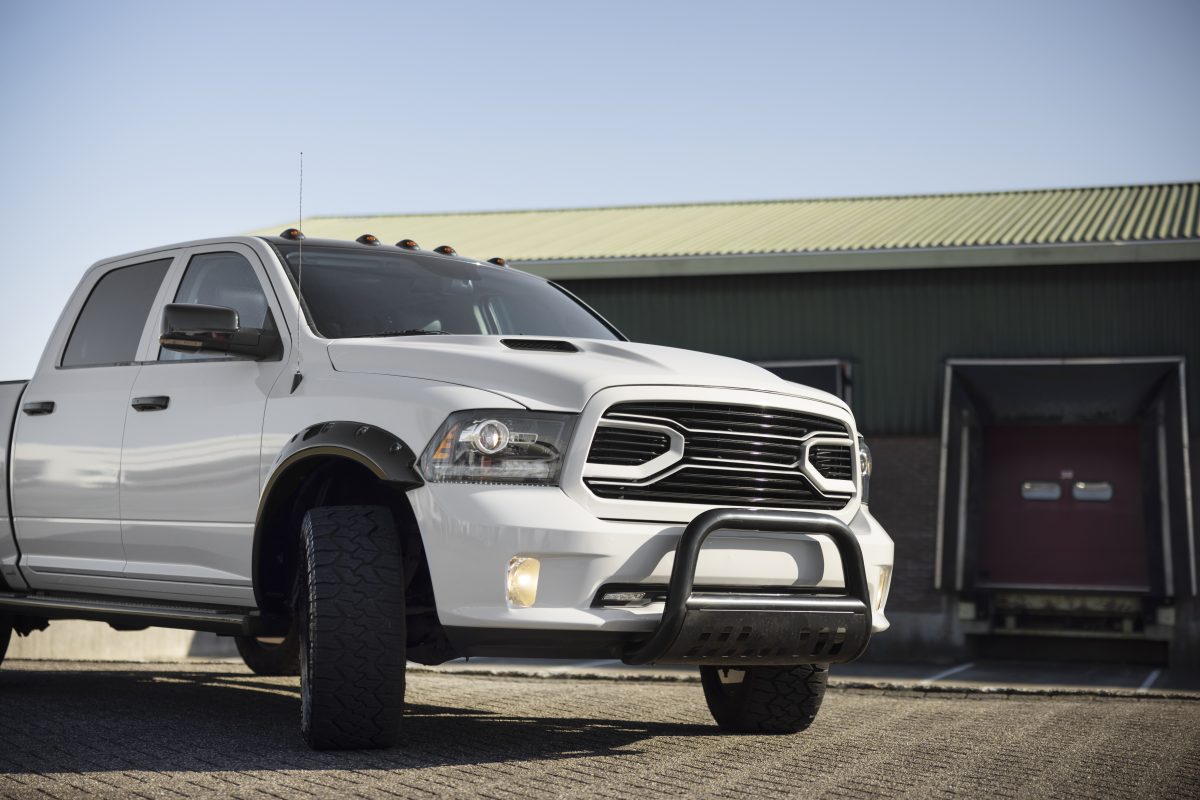
Understanding fuel economy is crucial when choosing a vehicle that fits your lifestyle and budget. Ford has made significant strides in improving the efficiency of its lineup, offering vehicles that balance performance, technology, and fuel savings. Whether you’re commuting daily, taking road trips, or hauling cargo, knowing how to interpret fuel economy ratings helps you make smarter decisions for both your wallet and the environment. For drivers in Washington, visiting a Ford dealer near Kent provides access to a variety of fuel-efficient Ford models and expert guidance to select the right car. This guide explains how Ford calculates fuel economy ratings, what to look for in different models, and tips to maximize efficiency on the road.
What Are Fuel Economy Ratings?
Fuel economy ratings indicate how efficiently a vehicle uses fuel, usually expressed in miles per gallon (mpg). These ratings are determined by the Environmental Protection Agency (EPA) through standardized testing, which measures fuel consumption in both city and highway driving conditions.
City vs. Highway Ratings
- City MPG: Measures fuel efficiency during stop-and-go driving, such as in urban areas with frequent traffic lights and congestion.
- Highway MPG: Reflects fuel use on open roads and highways, typically providing higher efficiency due to steady speeds and minimal braking.
- Combined MPG: Represents a weighted average of city and highway driving, giving a general estimate of overall fuel consumption.
By understanding these distinctions, drivers can select a vehicle that meets their typical driving patterns, whether mostly urban commuting or long-distance highway travel.
Factors Affecting Fuel Economy
Several factors influence a Ford vehicle’s fuel economy ratings:
Engine Size and Type
Smaller engines and turbocharged options generally consume less fuel than larger V8 or naturally aspirated engines. Hybrid and electric models achieve even higher efficiency through alternative powertrains.
Transmission
Automatic transmissions with more gears, such as 8-speed or 10-speed automatic systems, can optimize fuel use. Continuously variable transmissions (CVTs) found in some hybrid models also improve efficiency by maintaining optimal engine speeds.
Vehicle Weight and Design
Heavier vehicles, like large SUVs or trucks, typically consume more fuel than compact cars. Aerodynamic design, lightweight materials, and efficient chassis construction also play roles in fuel economy.
Driving Habits
Aggressive acceleration, speeding, and frequent braking reduce fuel efficiency. Maintaining a steady speed, using cruise control, and minimizing idle time can improve mileage significantly.
Tires and Maintenance
Underinflated or worn tires, dirty air filters, and poor engine maintenance can lower fuel economy. Regular service and proper tire care are essential for achieving optimal MPG.
Understanding Ford’s Fuel-Efficient Models
Ford offers a variety of vehicles designed to maximize fuel economy while delivering strong performance. These include hybrids, plug-in hybrids, and traditional gasoline engines with advanced technology.
Ford Escape Hybrid
The Escape Hybrid combines a gasoline engine with an electric motor to achieve an EPA-estimated 41 mpg city and 38 mpg highway. Its intelligent system seamlessly switches between power sources to reduce fuel consumption without compromising performance.
Ford Fusion Hybrid
A midsize sedan, the Fusion Hybrid achieves approximately 43 mpg city and 41 mpg highway. It’s ideal for commuters who prioritize comfort, technology, and efficiency in daily driving.
Ford Maverick Hybrid
The compact pickup Maverick Hybrid stands out for its fuel economy, offering up to 42 mpg city and 33 mpg highway. It’s a versatile choice for drivers who need cargo capacity without sacrificing efficiency.
Ford Mustang Mach-E (Electric)
While fully electric, the Mustang Mach-E provides the equivalent of 90+ MPGe (miles per gallon equivalent), making it one of the most efficient vehicles in the Ford lineup. Its long-range battery allows extended driving without frequent charging stops.
Ford F-150 PowerBoost Hybrid
For drivers needing a full-size truck with towing capability, the F-150 PowerBoost Hybrid combines a V6 engine with an electric motor, offering improved fuel economy and reduced emissions compared to traditional gasoline-only trucks.
Tips for Maximizing Fuel Efficiency
Even the most fuel-efficient Ford vehicle can benefit from smart driving practices:
Maintain Steady Speeds
Using cruise control on highways helps maintain consistent engine speed, reducing unnecessary fuel consumption.
Reduce Excess Weight
Remove unnecessary cargo or roof-mounted accessories that increase aerodynamic drag and weight, lowering MPG.
Proper Tire Care
Ensure tires are inflated to manufacturer-recommended pressure. Properly maintained tires improve fuel efficiency and extend their lifespan.
Regular Maintenance
Follow the recommended service schedule for oil changes, air filter replacements, and spark plug inspections. A well-maintained engine operates more efficiently.
Use Eco-Friendly Driving Modes
Many Ford vehicles include selectable drive modes like “Eco” or “EV” for hybrids, which adjust throttle response and energy usage to optimize fuel economy.
Limit Idling
Shutting off the engine during extended stops can save fuel, especially in urban driving situations.
Benefits of Understanding Fuel Economy Ratings
Knowing a vehicle’s fuel economy ratings has several advantages:
- Cost Savings: Choosing a more fuel-efficient vehicle reduces fuel expenses over the life of the vehicle.
- Environmental Impact: Vehicles with higher MPG or electric drivetrains produce fewer emissions, helping reduce carbon footprint.
- Resale Value: Fuel-efficient vehicles are often in higher demand on the used market, supporting better resale value.
- Informed Decision-Making: Understanding ratings allows buyers to select vehicles suited to city, highway, or mixed driving conditions.
- Optimized Driving Experience: Combining efficient vehicles with smart driving habits maximizes performance, comfort, and economy.
Visiting a Ford Dealer Near Kent
- Test drive multiple models to compare comfort and MPG performance.
- Explore hybrid, electric, and gasoline options.
- Receive expert guidance on fuel economy ratings, maintenance schedules, and available incentives.
- Learn about advanced features like regenerative braking, Eco modes, and hybrid battery management.
This hands-on approach ensures you make a well-informed decision based on your specific driving patterns, budget, and fuel efficiency priorities.
Conclusion
Understanding fuel economy ratings is essential when choosing a Ford vehicle that balances performance, comfort, and cost savings. Whether selecting a hybrid SUV like the Escape, a midsize Fusion Hybrid, a versatile Maverick truck, or a fully electric Mustang Mach-E, knowing how to interpret city, highway, and combined MPG ratings helps drivers make informed choices. Factors such as engine type, transmission, driving habits, and vehicle maintenance all play critical roles in achieving optimal fuel efficiency.
Read more: 3 Ford Cars : Fuel-Efficient Ford Vehicles
Read more: Most Fuel-Efficient Cars That Might Interest You
Read more: Turbocharged Journeys: Diesel Innovations That Drive Everyday Adventure