How High Should You Mount a Carbon Monoxide Alarm?
Carbon monoxide alarms are crucial for safeguarding your home from this invisible, odorless gas that can pose serious health risks. Correctly mounting these detectors is vital to ensuring they effectively alert you to dangerous levels. Understanding the best height and placement can make all the difference in ensuring your household’s safety. We will explore recommended mounting heights, strategic placements, common mistakes to avoid, and essential maintenance practices to maximize your carbon monoxide alarm’s efficiency and longevity.
Recommended Mounting Height for CO Detectors
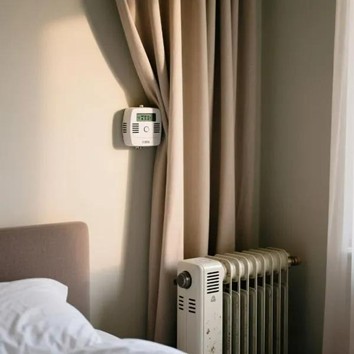
Experts suggest mounting carbon monoxide detectors at an elevated height to maximize efficiency. Generally, the recommended height is about five feet from the floor. This placement is strategic, as carbon monoxide mixes with air and doesn’t rise or fall like smoke, ensuring the detector works effectively across various rooms and conditions.
Wall Mounting at About 5 Feet Above the Floor
Mounting your carbon monoxide alarm on the wall at approximately five feet above the floor is a practical approach. This height enables the detector to intercept the circulating carbon monoxide in your home efficiently. When installed at this level, the alarm is easily accessible for maintenance, and it ensures comprehensive coverage regardless of varying air patterns. Additionally, mounting at this height accommodates both standing and sleeping residents, providing consistent detection performance. This guideline adheres to safety recommendations and ensures that the detector can function optimally, protecting everyone inside the home.
Ceiling Installation Considerations
While mounting CO alarms on the ceiling is a feasible option, certain considerations apply. Ceiling installation should only be pursued if wall mounting is impractical. Ensure the device is at least 12 inches from any wall to avoid obstructed detection paths. This helps in preventing pockets of stagnant air from interfering with its efficiency. Ceiling installations might be preferable in rooms with unusual layouts or where space constraints exist. However, always ensure easy access to the device for maintenance and testing, aligning with safety standards to ensure reliable operation. By choosing this placement option wisely, you maximize your home’s protection against carbon monoxide threats.
Where to Put CO Alarms in Your Home
Strategic placement within your home is essential for effective carbon monoxide monitoring. Position CO alarms near sleeping areas and along busy hallways to protect your loved ones while they rest and ensure coverage in high-traffic areas.
Near Sleeping Areas and Hallways
Install carbon monoxide alarms close to bedrooms and within hallways. This ensures that the alarm sounds are audible during the night, waking up sleeping family members in the event of severe carbon monoxide levels. By placing detectors along hallways, you’re safeguarding vital evacuation routes, giving occupants prompt awareness and the opportunity to exit safely if high levels are detected. These positions are critical because they provide immediate alerts, enabling swift action to protect yourself and your family from the risks of carbon monoxide poisoning during vulnerable times like sleep.
Every Level and Near Fuel-Burning Appliances
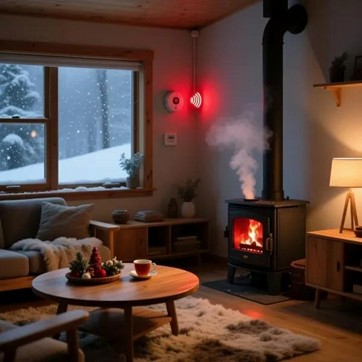
Ensure that each level of your home has a carbon monoxide detector to provide uniform protection across all floors. Additionally, place detectors near appliances that burn fuel, such as stoves, fireplaces, and heaters. While proximity to these appliances is beneficial for detection, maintain a distance of at least 15 feet to prevent false alarms caused by brief increases in CO levels during normal appliance use. This strategic placement near potential sources ensures early detection, allowing you to address leaks or malfunctions swiftly and maintain a safe environment for all residents. For installation instructions on carbon monoxide alarms, please refer to the relevant content on homelivetech.com.
Avoid These Placement Mistakes
Incorrect positioning of carbon monoxide alarms can drastically reduce their effectiveness. Avoid placing alarms too near appliances or areas prone to drafts and humidity, as these can compromise detection.
Too Close to Appliances or Combustion Sources
Placing your carbon monoxide alarm directly beside combustion sources can lead to frequent false alarms and reduced effectiveness. The fluctuations in CO concentrations due to appliance operations might trigger unnecessary alerts, rendering serious instances less noticeable. Maintain a safe clearance from these sources, around 15 to 20 feet away, to ensure the alarm can differentiate between normal and hazardous levels. This distance permits accurate monitoring, ensuring that your detector remains reliable and functional without frequent, bothersome alerts that might cause complacency among household members.
Near Windows, Vents, or Humid Areas
Carbon monoxide alarms are sensitive to airflow patterns and humidity changes. Installing them near windows, vents, or excessively humid areas can impair their performance. Drafts can disperse CO levels, preventing alarms from registering dangerous concentrations effectively. Likewise, humidity may affect internal components, reducing sensitivity and accuracy. To optimize your alarm’s functionality, choose stable environments with consistent air patterns, allowing it to operate without external disturbances. This approach ensures that the alarm remains a dependable guardian, alerting you swiftly to potential threats in your residence.
Maintenance Tips After Mounting
Consistent monitoring and maintenance are crucial for a reliable carbon monoxide alarm. Regular testing and timely battery replacements keep your detector in prime working condition.
Monthly Testing and Battery Changes
Conduct monthly tests to ensure your carbon monoxide alarm functions correctly. This regular check verifies that all components are operational, preventing unnoticed malfunctions. Familiarize yourself with the alarm’s test function, typically a simple button press, to prompt sound alerts. Moreover, commit to changing batteries as they deplete, generally every six months or as needed. This ensures uninterrupted protection. Routine vigilance prevents unexpected failures, reassuring your family that the alarm provides continuous monitoring to safeguard their health.
Replace Alarms Every 5–7 Years
Carbon monoxide alarms have a limited lifespan, typically between five to seven years. After this period, wear and tear, along with technological advancements, can reduce effectiveness. Replace your detector within this timeframe to ensure optimal performance with updated components. Newer models often feature advanced sensitivity and increased reliability. Mark the replacement date on your calendar to avoid lapses. Proactive renewal guarantees that your alarm continues fulfilling its critical role, maintaining a steadfast protective barrier within your home.
Conclusion
Proper placement and maintenance of carbon monoxide alarms are crucial for ensuring your home’s safety. By adhering to recommended heights, strategic locations, and avoiding common pitfalls, you optimize the alarms’ capability to detect harmful CO levels efficiently. Regular testing and timely replacements ensure they remain effective, providing peace of mind for you and your family. Carbon monoxide’s dangers are real, but with well-placed and maintained detectors, you drastically reduce the risk of exposure, creating a safe and secure environment for all residents.