What culinary skills help beyond restaurants
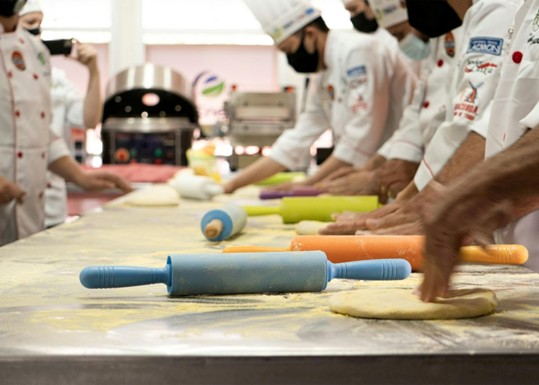
Culinary training builds more than the ability to cook a plate of food. The skills developed in a professional kitchen, from food safety systems to cost management and creative problem-solving, are in demand across industries that most people never associate with a chef’s jacket.
Whether the goal is food product development, media, private hospitality, or launching an independent business, formal culinary education provides the operational and creative foundation these careers require. This guide covers the most transferable culinary skills, where they apply, and how trained professionals are using them outside traditional restaurant settings.
How Do Culinary Skills Create Career Opportunities Outside Restaurants?
What Is the Connection Between Culinary Training and Transferable Skills?
Professional culinary programs teach structured workflows, precision under pressure, and multisensory evaluation, all of which translate directly to non-restaurant roles. A trained culinary professional understands how to manage time across simultaneous processes, maintain quality standards under tight constraints, and adapt when variables change. These are operational competencies, not just cooking techniques.
Formal training also introduces food science fundamentals, business management principles, and presentation standards that form the baseline for roles in product development, consulting, education, and media. Without this structured foundation, self-taught cooks often lack the systems-level thinking that employers outside hospitality look for.
Which Industries Actively Recruit Culinary Professionals?
The food industry extends well beyond restaurants. Consumer packaged goods (CPG) companies hire culinary professionals to develop and test new products. Food media companies recruit trained cooks for content creation, recipe testing, and food styling. Corporate catering and private hospitality firms need professionals who understand both service standards and dietary requirements at scale.
For students exploring where to start, institutions like LaSalle College Vancouver offer culinary arts in Vancouver programs that combine hands-on kitchen training with the business and food science fundamentals these industries expect. That combination of practical skill and applied knowledge is what positions graduates for careers beyond traditional restaurant kitchens.
Healthcare and institutional food services, including hospitals, schools, and senior care facilities, rely on culinary graduates who can balance nutrition, safety, and taste within strict regulatory frameworks. The growing meal kit and ready-to-eat sector also depends on professionals who can design recipes that maintain quality through packaging, shipping, and reheating.
What Food Science and Safety Skills Transfer to Other Industries?
How Does HACCP Knowledge Apply Beyond the Kitchen?
Hazard Analysis and Critical Control Points (HACCP) training is a core component of most culinary programs. This systematic approach to identifying, evaluating, and controlling food safety hazards is required across any industry that handles food, not just restaurants. Manufacturing plants, distribution centres, and retail food operations all depend on HACCP-certified professionals to maintain compliance and prevent contamination.
Professionals with HACCP knowledge are also valuable in quality assurance roles, where they audit production lines, write safety protocols, and train staff. This skill set positions culinary graduates for careers in food manufacturing, regulatory consulting, and supply chain management.
What Role Does Nutrition Literacy Play in Non-Restaurant Careers?
Culinary programs introduce applied nutrition: how macronutrients behave during cooking, how dietary restrictions affect menu planning, and how to balance flavour with health goals. This knowledge is directly applicable in healthcare food services, wellness companies, and sports nutrition.
Professionals who combine culinary technique with nutrition literacy can work as private chefs for clients with specific dietary needs, develop meal plans for fitness organizations, or consult for food brands positioning products around health claims. The ability to make nutritious food taste good is a competitive advantage in every one of these settings.
Which Business and Management Skills From Culinary Programs Have the Broadest Reach?
How Does Kitchen Cost Control Translate to Business Operations?
Food cost management teaches professionals to calculate yield percentages, control waste, negotiate with suppliers, and maintain profit margins on perishable inventory. These are the same skills that operations managers use in manufacturing, retail, and logistics.
A culinary professional trained in cost control can manage budgets for corporate dining programs, optimize ingredient sourcing for meal kit companies, or run the financial side of a catering operation. The discipline of tracking every dollar against a tight margin is directly transferable to any business where cost efficiency determines profitability.
What Leadership Skills From Brigade-Style Kitchens Apply Elsewhere?
The brigade system teaches delegation, accountability, and real-time decision-making in high-pressure environments. A chef who has run a kitchen line during a 200-cover service understands how to coordinate a team, prioritize tasks, and maintain quality when the pace accelerates.
These leadership skills are valued in event management, food production facilities, and any role that requires managing a team under time constraints. The ability to stay composed, communicate clearly, and make fast corrections is not unique to kitchens, but kitchens train it exceptionally well.
How Do Creative and Sensory Skills Open Doors in Food Media and Product Development?
What Makes Recipe Development a Marketable Skill Outside Restaurants?
Recipe development requires balancing flavour, texture, visual appeal, and reproducibility. In a restaurant, this skill serves a menu. Outside of it, the same skill serves product launches, cookbook publishing, content creation, and corporate test kitchens.
CPG companies hire recipe developers to create products that taste consistent across production batches. Media companies need recipe testers who can write clear, repeatable instructions for home cooks. Culinary professionals trained in recipe development bring a systematic approach to ideation, testing, and documentation that self-taught creators often lack.
How Does Flavour Profiling Support Careers in Food Innovation?
Flavour profiling, the ability to identify, combine, and balance taste components, is a core skill in food product development. Professionals who understand how acidity, sweetness, umami, and fat interact can help brands develop new products, reformulate existing ones, or adapt recipes for different markets.
This skill is also critical in beverage development, where subtle shifts in flavour balance determine product success. Culinary graduates with strong palate training are recruited by breweries, specialty coffee companies, and non-alcoholic beverage brands to guide product creation and quality control.
What Entrepreneurial Skills Do Culinary Graduates Use to Launch Their Own Ventures?
How Does Menu Engineering Apply to Building a Food Business?
Menu engineering combines pricing strategy, consumer psychology, and food cost analysis to maximize profitability. Culinary professionals who understand this discipline can apply it to any food business model: pop-ups, meal prep services, catering companies, or food trucks.
The ability to design an offering around margin targets, customer preferences, and operational capacity is a business skill, not just a kitchen skill. Culinary programs that include menu engineering give graduates a head start in entrepreneurship because they learn to think about food as both a product and a business.
What Operational Skills Help Culinary Professionals Become Self-Employed?
Running a kitchen teaches inventory management, scheduling, vendor relationships, and health code compliance. These operational skills form the backbone of any food-related business. A culinary graduate starting a catering company, private chef service, or meal delivery operation already understands the logistics of sourcing, prepping, storing, and serving food safely and efficiently.
Formal training also introduces licensing requirements, insurance considerations, and basic accounting principles specific to food businesses. This operational literacy reduces the learning curve for culinary professionals transitioning from employee to business owner.
How Do Communication and Teamwork Skills From the Kitchen Transfer to Corporate Settings?
Why Is High-Pressure Collaboration Valued Outside Hospitality?
Kitchen environments demand precise communication, rapid feedback loops, and seamless coordination between team members working on different tasks simultaneously. This type of high-pressure collaboration is directly relevant to event production, corporate catering, and food manufacturing, where delays or miscommunication result in measurable losses.
Employers outside hospitality recognize that professionals trained in kitchen environments bring a level of urgency and accountability to teamwork that is difficult to develop in lower-stakes settings. The habit of confirming instructions, flagging problems immediately, and supporting teammates under pressure translates across industries.
What Presentation and Plating Skills Translate to Food Styling and Media?
Plating is visual communication. Culinary professionals trained in composition, colour balance, and garnish technique bring a trained eye to food styling, photography direction, and content creation. Food media, from social platforms to print publications, depends on professionals who can make food look as good as it tastes.
Food styling is a growing career path that combines culinary technique with visual storytelling. Professionals who can both cook and style are more efficient on set, more credible with audiences, and more versatile for brands that need content across multiple formats.
Key Takeaways for Culinary Professionals Exploring Non-Restaurant Careers
The skills developed in a professional culinary program, food safety systems, cost management, creative development, leadership, and operational discipline, are assets in industries far beyond restaurants. The key is recognizing that culinary training produces professionals, not just cooks.
Formal education accelerates this recognition. Structured programs provide certifications, industry terminology, and systems-level thinking that employers outside hospitality expect. For culinary professionals considering a career pivot, the foundation is already there. The next step is identifying which skills align with the target industry and positioning them accordingly.
Frequently Asked Questions About Culinary Skills Beyond Restaurants
What Culinary Skills Are Most Valued Outside the Restaurant Industry?
Food safety certification (especially HACCP), cost management, recipe development, and team leadership are the most transferable skills. These competencies apply directly to food manufacturing, product development, corporate dining, and media production.
Can You Work in Food Product Development With a Culinary Arts Diploma?
Yes. CPG companies and test kitchens actively recruit culinary graduates for recipe development, sensory evaluation, and quality assurance roles. A culinary diploma provides the hands-on food knowledge that food science degrees sometimes lack, making graduates strong candidates for hybrid roles.
How Does Culinary Training Prepare You for a Career in Food Media?
Culinary programs teach recipe development, plating, and food knowledge, all essential for food writing, styling, and content creation. Professionals who can cook, style, and articulate the process are in high demand across digital platforms, publishing, and brand content teams.