How Dental Practice Insurance Protects Local Clinics and Patients
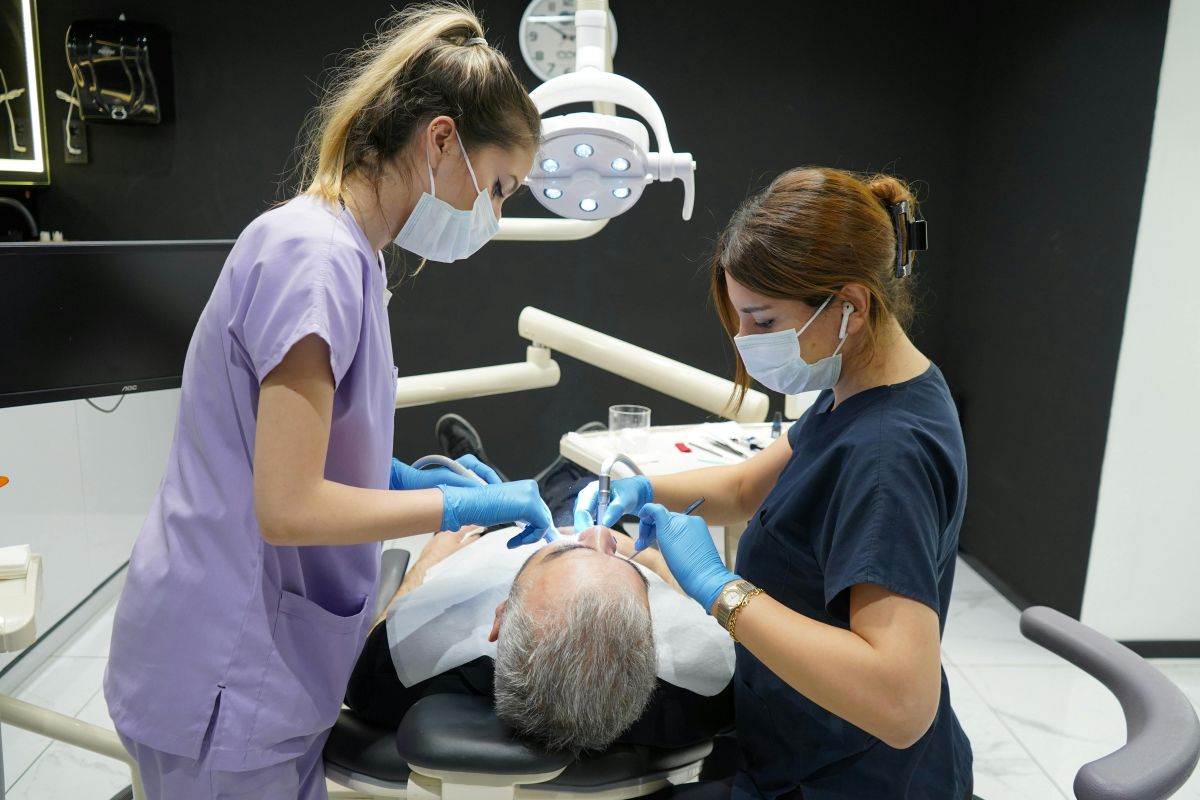
Running a clinic means balancing patient care with the realities of owning a business. You want to focus on treatment, staff, and community trust, yet one unexpected event can disrupt everything from schedules to finances. A burst pipe, data breach, injury claim, or treatment dispute can create pressure fast.
Smart and proactive protection matters for every professional. The right insurance strategy helps you keep doors open, protect patients, and make better long-term decisions. When your clinic is secure, you can spend more energy delivering excellent care instead of reacting to preventable setbacks.
Why Everyday Risks Can Threaten a Growing Clinic
Even well-managed practices face problems. Equipment can fail during a busy week. A storm might damage your building. Digital files may be targeted by criminals. These issues affect revenue, reputation, and continuity.
It’s in these situations that insurance for dentists becomes valuable. It creates a financial safety net for common and serious disruptions, helping local clinics recover faster. Instead of paying high, unexpected costs out of pocket, you can rely on structured protection that supports both operations and patient confidence.
Many dental practice owners discover that planning early reduces stress later. Coverage can be part of responsible risk management from day one, whether you are starting fresh or expanding through practice acquisition.
Core Policies That Protect Your Clinic
Not every clinic needs the same package, but most benefit from layered protection. Good insurance policies are designed around your services, team size, technology use, and location.
Property and Operational Protection
Your clinic depends on physical assets. Chairs, imaging tools, computers, sterilization units, and supplies all keep appointments moving. Property insurance may help repair or replace damaged equipment after covered events such as fire or certain weather incidents.
Some owners choose a business owner’s policy, also known as business owners’ insurance, because it bundles multiple protections into one practical package. This can be useful for a busy dental office trying to simplify administration.
Liability Protection for Treatment and Accidents
Patients trust you with their health, so safeguards around treatment claims matter. Professional liability can help if a patient alleges negligence, errors, or harm connected to care. This is especially important, particularly in invasive dental surgery procedures, where treatment complexity may increase the chance of disputes.
Many clinics also carry dental malpractice insurance to address legal defense costs and settlements when covered claims arise. Separate from treatment concerns, general liability insurance can help with third-party injuries or property damage, such as a fall in your reception area.
Staff and Income Security
Your people keep the practice running. Workers’ compensation insurance may help with employee injuries that happen on the job, while disability insurance and life insurance can be part of a broader benefits strategy for owners or key staff.
If an owner or lead producer cannot work temporarily, business overhead expense insurance may help cover fixed operating costs during recovery. That support can make a major difference to payroll and rent obligations.
These core policies help create a stronger safety net for your clinic, allowing you to focus on patient care with greater confidence. When the right protections are in place, you can manage unexpected setbacks without losing momentum or trust.
How Technology Risks Affect Patient Trust
Modern clinics rely on digital systems for appointments, imaging, billing, and records. That convenience also creates exposure. Ransomware, phishing, and stolen credentials can interrupt care and damage confidence.
Cyber liability coverage may help with breach response costs, legal obligations, notification expenses, and system recovery after certain incidents. It can also support communication efforts if patient information is affected.
Many clinics use portals with a secure provider account so patients can review forms and records safely. Strong systems, staff training, and the right policy work best together. Insurance is not a substitute for security, but it can soften the financial impact when prevention fails.

Why Patient Benefits Matter Too
Patients often evaluate a clinic based on cost clarity and convenience. If billing feels confusing, trust can fade even after good treatment. Helping patients understand dental plans, dental benefits, and dental coverage options improves the overall experience.
Where dental insurance for patients is concerned, 78% of survey participants prefer to know claims eligibility beforehand. They were also likely to trust providers who use technology. Hence, many clinics use digital verification tools for benefit information, electronic claims, and sending attachments electronically.
Efficient systems can lead to faster claims turnaround, fewer billing surprises, and smoother communication with the claims department of participating carriers. When patients can plan costs in advance, they’re more likely to proceed with recommended dental care and maintain regular visits.
Building a Stronger Practice Through Smart Planning
Insurance works best when paired with thoughtful management. You should review operations regularly, especially if services change or revenue grows. Expanding implant work, adding sedation, or hiring associates can all affect your needs.
Consider these practical steps:
- Review policy limits each year to ensure they still match your exposure. A clinic that has grown significantly may need stronger protection than it did two years ago.
- Speak with a risk advisor who understands healthcare operations. They can identify gaps and explain options clearly.
- Coordinate with accountants and local attorneys during ownership changes or contracts. This is especially helpful during practice ownership transitions.
- Invest in staff training and continuing education. Better systems often reduce mistakes and improve patient satisfaction.
These habits turn insurance from a simple purchase into part of a broader business strategy. Many healthcare professionals benefit most when coverage decisions align with real operational goals.
Choosing the Right Partners
Price alone should not drive the decision when comparing insurance companies. Look for responsive service, industry experience, and clear explanations of exclusions.
Strong dental providers often prefer carriers offering professional solutions tailored to dentistry rather than generic packages. Ask how claims are handled, what support is available during emergencies, and how quickly adjustments can be made if your clinic changes.
A good adviser will explain how insurance coverage interacts with contracts, leases, and vendor responsibilities, so there are fewer surprises later.
Final Thoughts
A successful clinic needs more than clinical skill. It also needs protection against financial, legal, operational, and digital risks that can appear without warning.
When you choose the right insurance structure, you protect your patients, your team, and the future of your business. That confidence allows you to focus on what matters most: delivering reliable care to your community.