Technical Guide to the Commercial Egg Hatching Incubator for Poultry OperationsMarket Context and Operational Importance
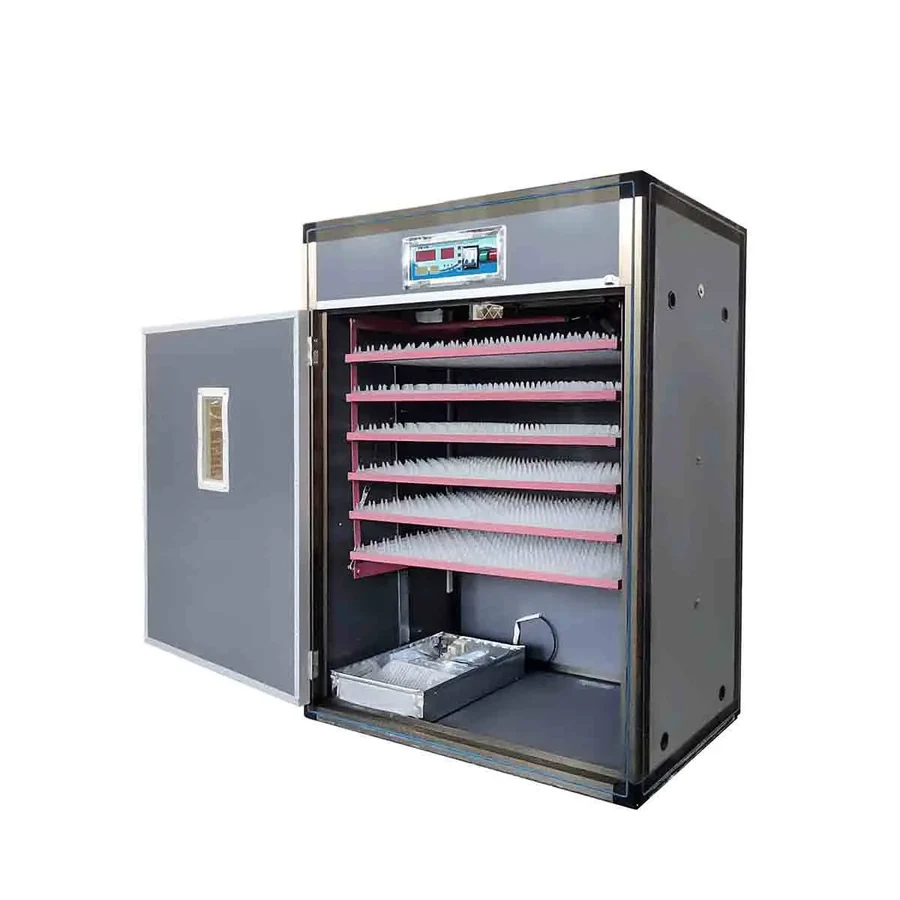
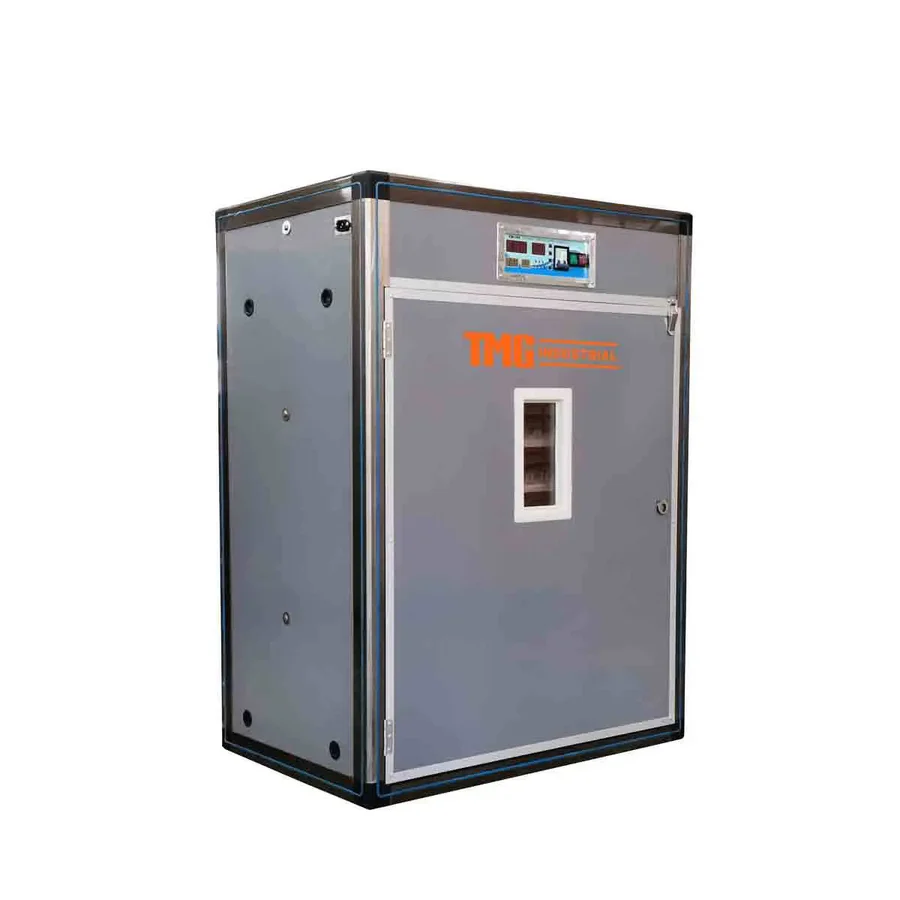
Canada’s poultry industry continues to expand, with increasing demand for broiler chickens and laying hens. The commercial egg hatching incubator addresses the need for reliable, high-volume hatchery operations. For logistics professionals and equipment operators, an incubator with automated controls directly impacts production efficiency. This large capacity unit processes up to 1056 eggs per cycle, making it suitable for medium to large hatcheries and breeding operations.
Technical Overview and Applications
The incubator features automatic temperature, humidity, and egg turning controls. With a claimed hatching rate of 98 percent, it meets commercial production standards. Key specifications:
- Egg capacity: Up to 1056 eggs per batch
- Number of egg trays: 12 included trays
- Control system: Fully automatic
- Hatching rate: 98 percent under optimal conditions
Applications include commercial hatcheries, research institutions, breeding operations, and agricultural training centres.
Efficiency, Safety and Productivity
Automated controls reduce manual labour compared to simple incubators. Consistent temperature and humidity increase hatching success rates. Safety considerations include proper electrical supply, regular cleaning protocols to prevent bacterial contamination, and adequate ventilation. For facility managers, standardized egg trays simplify loading, unloading, and sanitizing between cycles. The automated turning mechanism eliminates manual egg rotation multiple times daily.
Technical Capabilities
The incubator maintains precise temperature control within plus or minus 0.5 degrees Celsius of the set point. Humidity is regulated through a water reservoir and circulation fan. The automatic turning mechanism rotates eggs at programmable intervals. The 12 included trays accept standard egg sizes. Performance depends on stable ambient room temperature, consistent power supply, and proper egg handling before setting.
Factors Influencing Performance
- Egg quality and fertility: Hatch rate cannot exceed fertility rate of source eggs
- Temperature stability: Room fluctuations affect incubator performance
- Humidity consistency: Low humidity causes dehydration; high humidity reduces hatch rates
- Sanitation: Bacterial contamination spreads quickly in warm, humid environments
- Turning frequency: Insufficient turning reduces embryo viability
 Safety Best Practices
Clean and disinfect the incubator between each batch using poultry-safe disinfectants. Monitor water levels daily. Keep a candling light for egg inspection without opening unnecessarily. Maintain a log of temperature, humidity, and hatch rates. Install away from direct sunlight, drafts, and heat sources. Personnel handling eggs should follow biosecurity protocols including clean clothing and hand washing.
Equipment Types and Attachments
Small tabletop units hold fewer than 100 eggs. Mid-range incubators handle 100 to 500 eggs. Commercial units like this 1056-egg model serve production hatcheries. Attachments include automatic egg turners (integrated), egg candling lights, replacement heating elements, spare water reservoirs, and sanitizing solutions. The 12 included egg trays are removable for cleaning and egg inspection.
Advantages and Limitations
Advantages: Large capacity of 1056 eggs per batch suits commercial operations. Fully automatic controls reduce labour. Claimed 98 percent hatch rate meets industry expectations. Standardized 12-tray system simplifies batch management. Precise temperature and humidity regulation improves consistency.
Limitations: Requires stable, clean room environment. Initial investment higher than smaller units. Power outages exceeding one hour reduce hatch rates without backup. Condensation management requires regular attention. Heavy unit needs dedicated floor space.
Conclusion and Future Trends
The commercial egg hatching incubator with automatic controls and 12-tray system provides a reliable solution for hatcheries and breeding operations. Its combination of large capacity, automated turning, and precise environmental control supports efficient poultry production. Future trends include Internet of Things monitoring for remote alerts, energy-efficient heating systems, and AI-based egg viability prediction. Selecting an incubator with robust temperature regulation ensures consistent hatch rates.