How High-Quality Components Improve Equipment Lifespan and ROI
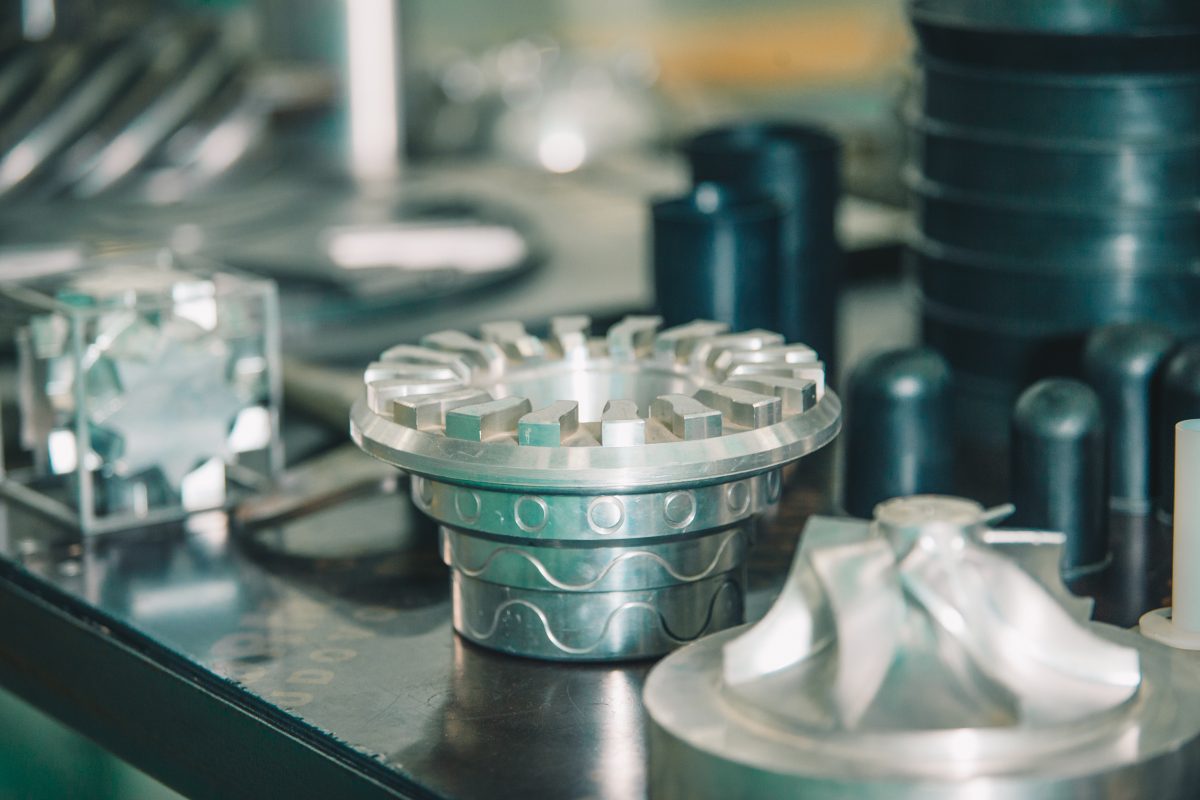
Investing in high-quality components can extend equipment lifespan, reduce breakdowns and maintenance costs, and improve overall reliability. Although premium parts may cost more upfront, their long-term durability and efficiency often deliver better value and a stronger return on investment.
What Makes a Component High-Quality?
High-quality components balance appropriate materials, precise manufacturing, sound engineering, and relevant performance standards to support durability, reliability, and consistent performance.
Essential Materials and Manufacturing Standards
Using the right materials can make a significant difference. High-quality components often consist of materials known for their strength, durability, and resilience. Stainless steel or titanium might be used for metal parts due to their corrosion resistance.
Manufacturing standards also play a crucial role. Following relevant specifications helps ensure that parts meet defined requirements. ISO 9001 certification shows that an organization operates a quality management system; it does not certify each individual component. Inspection and quality-control processes help reduce defects and improve consistency across production runs.
Precision Engineering and Consistency
Precision engineering helps components meet exact specifications. Advanced technologies such as CNC machining and laser cutting can achieve tight tolerances and consistent outputs, helping parts fit together correctly and perform as intended.
Consistent production helps ensure that components meet the same specifications from one unit to the next. This supports smoother assembly, reduces operational issues, simplifies maintenance, and helps equipment perform reliably over time.
How Quality Benchmarks Impact Performance
Relevant ASTM and ISO standards can establish test methods, specifications, or management requirements that support consistent performance. Depending on the component and application, requirements may address properties such as tensile strength, temperature resistance, or chemical compatibility.
Meeting relevant benchmarks can improve resistance to wear and support efficiency and reliability. Components designed and tested for specific pressures, temperatures, or environments are better suited to their intended applications. Regular testing and quality assurance can also reduce the risk of unexpected malfunctions and system failures.
Direct Effects on Reliability and Durability
Choosing high-quality components for your equipment can greatly enhance its reliability and durability. These components help reduce downtime, combat wear and tear, and maintain stability even under heavy use.
Reduced Downtime and Unexpected Failures
Reliable components can reduce the risk of unexpected breakdowns and downtime. When equipment uses durable parts suited to the application, sudden failures may be less likely. Reducing downtime helps operations continue smoothly while lowering repair costs and lost productivity.
Consistent performance helps equipment operate within expected parameters and can reduce unnecessary maintenance checks. This allows resources to be allocated more efficiently while making day-to-day operations more predictable and dependable.
Protecting Against Wear and Tear
Using high-quality components helps shield your equipment from the gradual wear and tear that comes with regular usage. Durable materials are crafted to withstand the rigors of daily use, which means they can endure physical stress and environmental conditions better than their lower-quality counterparts. This resilience cuts down on gradual degradation.
With these components, replacement intervals can be extended, leading to cost savings over time. Less frequent replacements mean your equipment remains operational for longer periods. Investing in superior parts not only prolongs the lifespan of individual components but also ensures the entire system functions more effectively over time.
Long-Term Stability Under Heavy Use
When equipment operates under heavy use, having top-tier components is crucial for maintaining long-term stability. Robust parts are designed to handle continuous and intense work without compromising structural integrity. This longevity is essential when demanding tasks are part of your routine, as it ensures consistent output.
The stability offered by quality components provides peace of mind, knowing that unexpected malfunctions are less likely. This reliability facilitates planning more effectively, avoiding delays associated with sudden equipment failure. The assurance of stable performance allows you to focus on other critical aspects of your operations, leading to overall better efficiency and productivity.
Cost Savings and Return on Investment Explained
Investing in high-quality components for your equipment can potentially reduce costs and improve your return on investment. You may benefit from lower maintenance costs, longer intervals between services, and higher resale value, all contributing to a healthier bottom line.
Lower Maintenance and Repair Expenses
When you opt for premium components, you’re likely to face fewer breakdowns and unexpected repairs. These parts are typically more durable and made from better materials, which means they can withstand more wear and tear. This reduction in maintenance not only saves money but also diminishes the stress and downtime caused by frequent repairs. You can expect fewer emergency service calls and a smoother operation overall, allowing you to allocate resources more effectively.
Consider creating a table to track maintenance savings over time, giving you a clear picture of how much you’re saving by choosing high-quality components. This approach helps you make informed decisions about future investments and maintenance schedules.
Extended Service Intervals
Using top-tier components extends the time between necessary service appointments. These components often feature advanced technology and superior craftsmanship, reducing the rate of wear and tear. As a result, you won’t need to service your equipment as frequently, which saves both time and money.
For example, high-end filters or lubricants may provide longer-lasting protection, allowing equipment to run efficiently even under demanding conditions. This extension in service intervals not only improves productivity but also ensures that your equipment stays operational when you need it most.
Boosting Equipment Resale Value
Resale value can be influenced by the quality of components you choose. Buyers may be more likely to invest in equipment maintained with high-quality parts, as this can suggest fewer issues and longer operational life. Well-maintained equipment with documented premium parts may potentially command a higher price in the used market.
By incorporating first-rate components, you not only enjoy the immediate benefits of reliability and performance but also set the stage for a more lucrative resale opportunity. This can be particularly important if you plan to upgrade your equipment, as it maximizes your investment return.
Best Practices for Choosing Reliable Parts
Selecting the right components goes a long way in extending the equipment’s lifespan and maximizing return on investment. Prioritize reputable manufacturers, weigh costs against benefits, and ensure quality certifications to make informed choices.
Evaluating Manufacturer Reputations
When evaluating manufacturers, reputation is one useful indicator. Start by researching companies with a strong track record. Look for customer feedback, relevant certifications, technical documentation, and industry reports that support claims about product reliability and service. Consistent performance and customer satisfaction over time can provide additional evidence of credibility.
Consider companies with reputable standing in the industry, such as Hydrastore, which specializes in hydraulic systems and components. Assess the manufacturer’s experience, reliability of their products, and their commitment to innovation. A manufacturer with proven credibility often provides high-quality components, reducing the risk of equipment failure.
Balancing Upfront Costs with Long-Term Gains
Investing in quality components may come with a higher initial price, but the benefits often outweigh the costs. Cheaper parts might save you money initially, but they could lead to frequent replacements and repairs. This not only affects your equipment’s longevity but also increases operational burdens.
Look at the total cost of ownership rather than just upfront expenses. Calculate potential savings from reduced maintenance and extended equipment lifespan. By focusing on long-term gains, you make smarter financial decisions that support sustainable operations, ultimately providing better returns on your investments.
Certifications and Compliance Requirements
Certifications can show that a manufacturer follows recognized systems or standards, but their meaning depends on what is certified. ISO 9001 certification applies to an organization’s quality management system rather than guaranteeing the quality or performance of every component.
Check which certifications, standards, and regulatory markings apply to the product and market. CE marking applies only to products covered by relevant EU legislation and indicates conformity with requirements; it is not a quality certification. Verify documentation before treating any certification or mark as evidence of suitability or durability.
Invest in Quality for Long-Term Value
Choosing high-quality components helps equipment last longer, perform more reliably, and require fewer costly repairs. While premium parts may cost more upfront, their durability and efficiency can deliver stronger long-term value and a better return on investment.
Read more: How Smart Buyers Find Professional Welding Gear Without Overspending
Read more: Used Industrial Equipment: Why Businesses Trust Machinery Masters for Quality Solutions
Read more: Protecting Your Bottom Line: The ROI of Commercial Roofing