Why Ignoring Small Vehicle Issues Can Lead to Bigger Problems
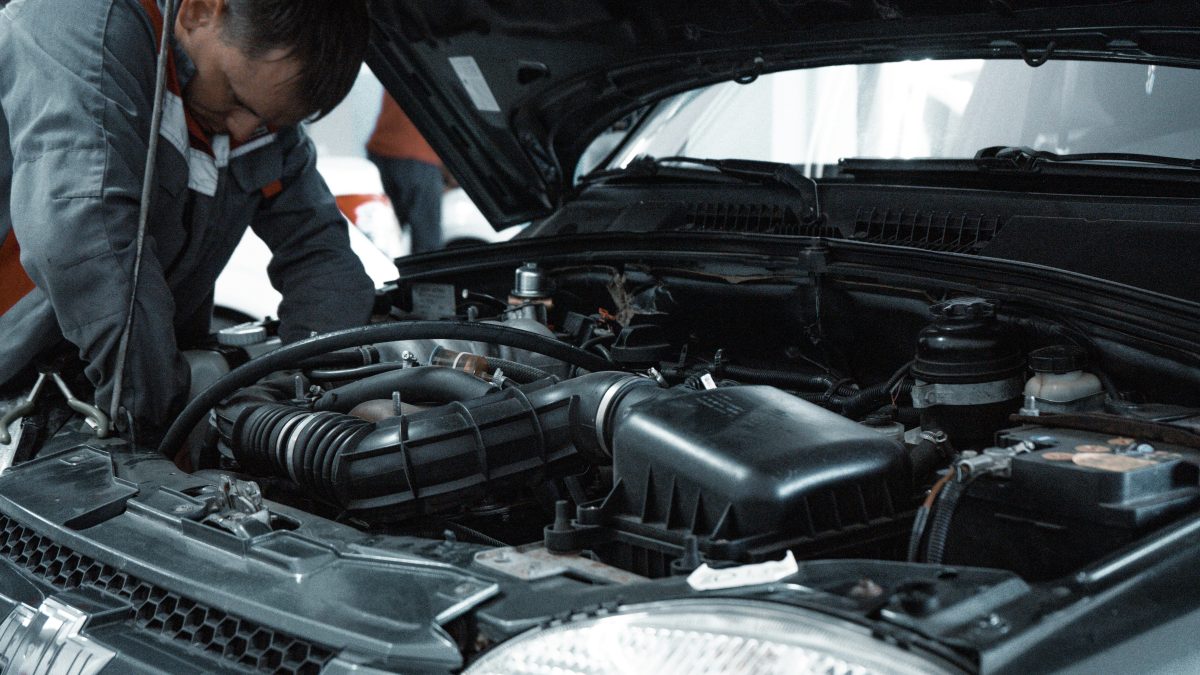
Photo by Kate Ibragimova on Unsplash
It’s easy to overlook minor vehicle issues, an unusual noise, a warning light, or a slight change in performance, especially when the car still seems to be running fine. But most major automotive problems don’t appear suddenly. They develop gradually, often starting as small, manageable issues that worsen over time if left unaddressed.
Drivers often delay repairs due to time, cost, or the assumption that the issue isn’t urgent. In fact, surveys show that over 90% of car owners admit they’ve postponed maintenance longer than they should. While this might seem harmless in the short term, it significantly increases the risk of more serious and expensive problems later.
Small Issues Rarely Stay Small
Many vehicle problems follow a predictable pattern, they start minor and escalate. A small oil leak, for example, can lead to engine damage if lubrication becomes insufficient. Worn brake pads can damage rotors, turning a simple fix into a much more expensive repair.
Automotive experts consistently emphasize that most costly repairs are the result of neglected minor issues that build up over time. Addressing these early prevents them from affecting other systems and keeps repair costs under control.
Delayed Maintenance Increases Breakdown Risk
Ignoring early warning signs doesn’t just increase repair costs, it also raises the likelihood of breakdowns. Mechanical failures often occur when underlying issues are left unresolved for too long. In many cases, what could have been a quick fix becomes a situation that leaves the vehicle inoperable.
Data shows that millions of vehicle breakdowns each year could be prevented with basic maintenance. This highlights how small, preventable issues can escalate into major disruptions when ignored.
Financial Impact Grows Over Time
What starts as a low-cost repair can quickly become a significant expense if delayed. For example, replacing a worn component early is far cheaper than repairing the damage it causes to surrounding systems. This is why preventative care is often more cost-effective than reactive repairs.
Many drivers recognize this only after the fact, nearly half say they’ve paid for repairs that could have been avoided with proper maintenance. The longer an issue is ignored, the more likely it is to impact multiple parts of the vehicle, increasing overall costs.
Why Consistent Maintenance Makes the Difference
The difference between a reliable vehicle and a problematic one often comes down to consistency. Drivers who address issues early and follow regular maintenance schedules are far less likely to experience major failures. Small actions, checking fluids, responding to warning signs, and scheduling inspections, create long-term stability.
A service-focused approach like Blue Ridge Automotive: Decatur, GA reflects how early intervention helps prevent larger problems. When maintenance is handled proactively, vehicles remain dependable, and drivers avoid the stress and cost of unexpected breakdowns.
Safety Risks Become More Serious
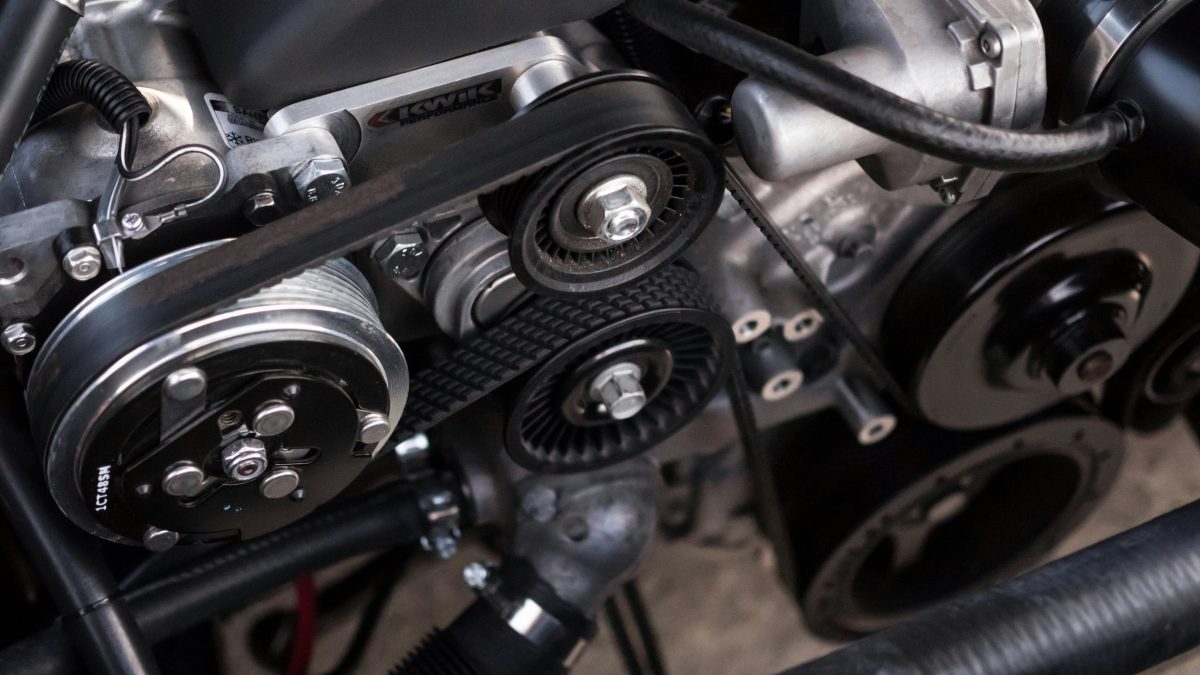
Photo by Chad Kirchoff on Unsplash
Not all vehicle issues are just inconvenient, some directly affect safety. Problems with brakes, tires, or steering systems can increase the risk of accidents, especially if they worsen unexpectedly. Even something as simple as reduced visibility from a cracked windshield can create dangerous driving conditions.
Routine checks and early repairs help ensure that safety-critical systems remain reliable. Addressing small issues early is one of the most effective ways to reduce risk on the road.
Performance and Efficiency Decline
Vehicles that are not properly maintained tend to lose efficiency over time. Engine performance may decrease, fuel consumption may increase, and overall driving experience can suffer. These changes often happen gradually, making them easy to overlook.
Regular maintenance helps preserve performance by keeping all systems operating as intended. Even small adjustments, like replacing filters or maintaining proper tire pressure, can make a noticeable difference in how the vehicle runs.
Long-Term Reliability Starts With Small Decisions
Every vehicle will eventually need repairs, but how those repairs are managed determines overall reliability. Ignoring small issues may seem convenient in the moment, but it often leads to bigger challenges down the road. On the other hand, addressing problems early keeps systems in balance and reduces long-term risk.
In the end, vehicle reliability isn’t just about major repairs, it’s built on small, consistent decisions. Paying attention to minor issues today is what prevents major problems tomorrow.