What Cutting Height Is Best for Healthy Grass?
A simple change to lawn mower height often makes the difference between a thin, patchy lawn and a thick, resilient one. Grass blades act like tiny solar panels, feeding the roots and protecting the soil below. Cut them too short and you stress the plant, invite weeds, and expose the lawn to drought and disease. Let them grow too long and you create shade, thatch, and uneven turf. The key lies in knowing the best cutting height for your grass type, then tweaking it with the seasons and lawn conditions. With a basic height guide and a few smart habits, you can keep grass greener, thicker, and easier to maintain.
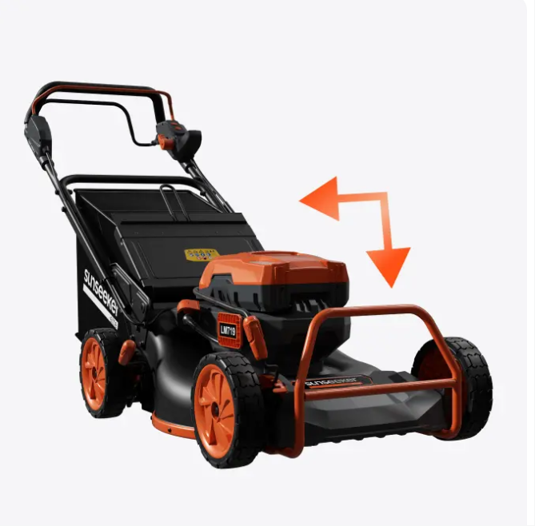
What Is the Ideal Cutting Height for Different Grass Types?
Cool-Season Grasses: Recommended Mowing Heights
Cool-season grasses grow best in spring and fall and include Kentucky bluegrass, perennial ryegrass, tall fescue, and fine fescue. These lawns generally thrive at higher mowing heights because taller blades support deeper roots and better stress tolerance. For Kentucky bluegrass and perennial ryegrass, aim for a mowing height between 2.5 and 3.5 inches. Tall fescue prefers 3 to 4 inches, while fine fescues often do best around 3 to 3.5 inches. Raise the height toward the top of these ranges during hot, dry spells to protect the soil surface. Regular mowing within these limits reduces scalping risks, improves color, and helps cool-season lawns outcompete weeds naturally.
Warm-Season Grasses: Optimal Cutting Ranges
Warm-season grasses grow most actively in late spring and summer and include Bermuda, Zoysia, St. Augustine, centipede, and Bahia. These species often tolerate and even prefer shorter mowing, though each has its own sweet spot. Common Bermuda typically looks best at 1 to 2 inches, while hybrid Bermuda on level, well-prepped lawns can be cut even lower using reel mowers. Zoysia usually performs well between 1 and 2.5 inches, depending on variety. St. Augustine and Bahia prefer a bit more height, around 2.5 to 4 inches, to support thick coverage. Centipede grass stays healthier at 1.5 to 2.5 inches. Staying within these ranges encourages dense growth, improved heat tolerance, and better wear resistance.
Adjusting Height Based on Lawn Condition
Even with general guidelines, mower height should never stay fixed all year. Healthy, established lawns can handle cutting near the middle of the recommended range. Thin, stressed, or newly seeded lawns need extra blade length to support stronger roots, so raise the deck about half an inch. During summer heat or drought, increase height to shade the soil and reduce water loss. When growth slows in cooler weather, you can gradually lower the height slightly to reduce disease risk and matting. Avoid sudden, drastic changes. Follow the one-third rule: never remove more than one-third of the blade at one time. Consistent, thoughtful adjustment keeps grass vigorous and reduces recovery time after mowing.
How Does Cutting Height Affect Lawn Health?
Root Growth, Moisture Retention, and Sunlight
Cutting height directly links to root depth and overall resilience. Taller grass blades capture more sunlight and produce more energy for root growth. Deeper roots tap water and nutrients from a larger soil volume, which helps the lawn stay green longer in dry weather. Proper height also shades the soil surface, slowing evaporation and keeping temperatures cooler around the root zone. That shade protects soil microbes and organic matter that feed the lawn over time. If you mow too low, you reduce leaf area, starve the roots, and expose bare soil to intense sun. With less root mass, grass struggles to recover from traffic, heat, and routine mowing stress.
Weed Control and Disease Prevention Benefits
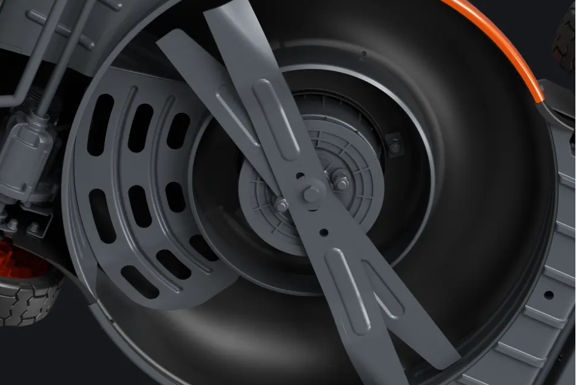
The right cutting height acts as a natural weed barrier. Taller, dense grass casts shade on the soil, which reduces light reaching weed seeds. Many common weeds, such as crabgrass, germinate and spread more easily in bright, open areas and thin turf. By keeping your lawn within the ideal height range and mowing often enough, you encourage thick growth that leaves little space for invaders. Proper mowing height also helps reduce moisture sitting on the leaf surface, which can limit some fungal diseases. Grass at the correct height dries more evenly and maintains stronger tissue. Combined with sharp mower blades and clean cuts, ideal height supports a healthier, less disease-prone lawn.
Risks of Cutting Too Short or Too Tall
Scalping the lawn by cutting too short is one of the most damaging mowing mistakes. It removes much of the plant’s food-making surface, weakens roots, and often exposes stems and soil. This stress can cause yellowing, bare patches, increased weed invasion, and higher water needs. On the other hand, letting grass grow too tall and then cutting it back hard also harms the lawn. Tall, overgrown grass can shade itself, create a thick layer of clippings, and encourage fungal problems. Heavy clumps left on the surface may smother areas and lead to thatch buildup. Staying within the recommended range and following the one-third rule avoids both extremes and maintains steady, healthy growth.
Conclusion
Mower height plays a central role in how well your lawn handles heat, drought, traffic, and weeds. Matching cutting height to grass type gives you a precise starting point, but real success comes from small, seasonal adjustments. Keep cool-season grasses on the taller side, and warm-season species closer to their preferred shorter ranges. Raise the deck during summer stress or when the lawn looks thin, and avoid removing more than one-third of the blade in a single mow. These simple practices encourage deeper roots, better color, and denser turf. With the right cutting height and consistent care, your grass can stay healthier and more attractive with less effort overall.