Why a Solo Incident Doesn’t Always Mean You Are at Fault
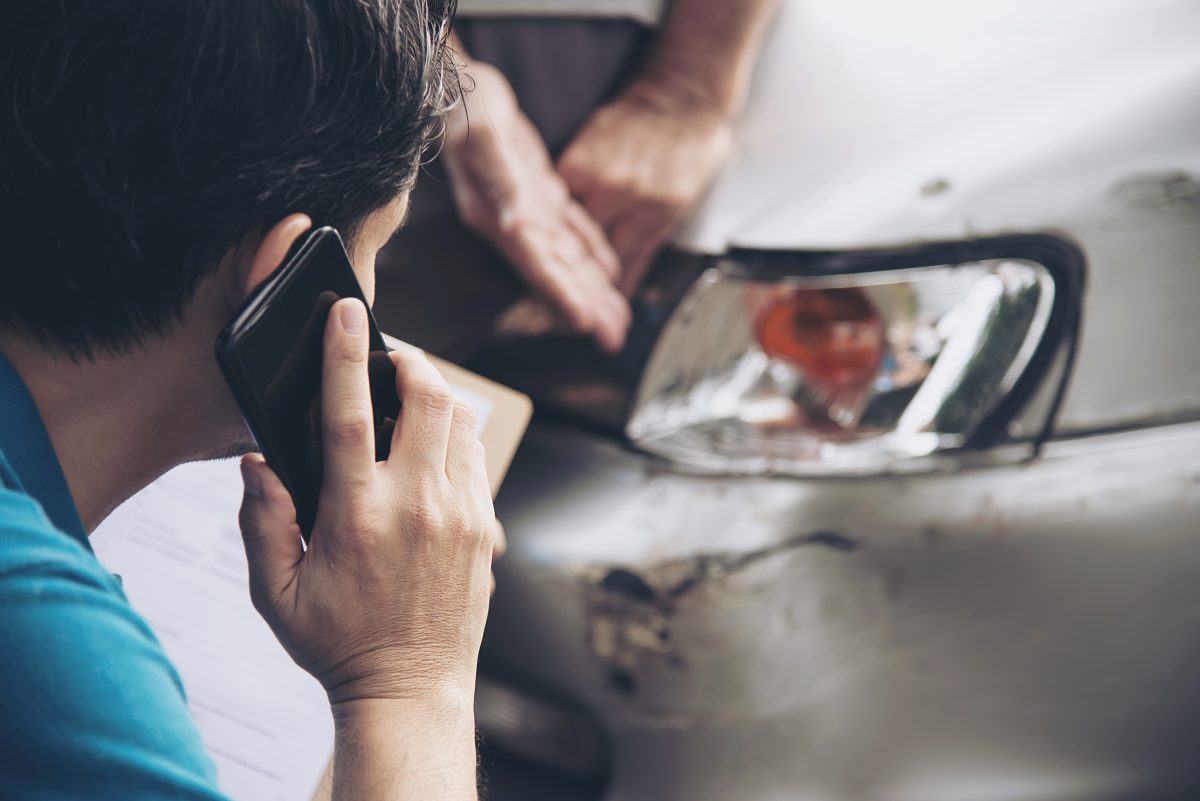
A quiet stretch of highway can turn into a chaotic scene in a heartbeat without another car in sight. Most people assume that any wreck involving only one car is automatically the driver’s fault. This immediate judgment overlooks the complex physical and legal realities behind these sudden crashes.
Driving requires a reliable vehicle, a safe roadway, and predictable conditions to prevent a crisis on the road. When one of these critical factors fails, even the most cautious operator can lose control of their machine instantly. Focusing solely on driver error ignores the deeper causes.
Determining the true source requires a thorough look at all elements. Professional investigations show that external factors dictate outcomes. Many cases demonstrate how third parties share single vehicle accident liability when their negligence creates hazardous situations.
Mechanical failures, unsafe road conditions, and debris left behind by other vehicles can all contribute to a serious crash without direct contact from another driver. Looking beyond the immediate aftermath is often necessary to understand what truly caused the collision and whether another party shares responsibility.
Pinpointing Mechanical and Manufacturing Failures
Modern vehicles rely on complex mechanical systems that must perform flawlessly at high speeds to protect passengers. A sudden component failure can leave a driver completely helpless on the road. When a critical part breaks, human skill cannot prevent a collision.
Tire blowouts and sudden braking malfunctions represent some of the most dangerous mechanical crises on the highway. These events often stem from manufacturing defects that exist long before the vehicle is purchased. Identifying these flaws is essential to locating the source of failure.
Negligent maintenance by commercial repair facilities also contributes to these sudden and catastrophic vehicle breakdowns. If a professional mechanic installs a faulty part or fails to notice a glaring issue, they bear liability. Holding these negligent corporate entities accountable protects everyone currently sharing the road.
Evaluating Road Design and Municipal Upkeep
The safety of any journey depends heavily on the design and maintenance of the public roads in use. Public entities have a legal obligation to ensure that streets are safe for standard vehicle traffic. Skipping routine upkeep creates hazards that drivers cannot avoid.
Missing warning signs, poorly designed curves, and massive unaddressed potholes turn standard commutes into hazardous tasks. When a government agency fails to correct these known issues, their negligence becomes the primary cause of a crash. These administrative failures carry real consequences.
Establishing liability against a negligent city or state department requires immediate documentation of the scene and environmental conditions. Showing that a hazard existed for a very long time without repair is vital. These valid claims ensure that public roads receive the attention they require.
The Influence of Phantom Drivers
Not every crash involves a direct impact between two vehicles on the road. A reckless motorist can cause a severe wreck simply by swerving into another lane or running a red light. These actions force others to make split second decisions.
Drivers often choose to steer away from an oncoming hazard to avoid a more dangerous head on collision. This evasive maneuver can result in striking a guardrail or sliding off the pavement entirely. The primary culprit usually flees the scene immediately.
These difficult situations are commonly known as phantom driver incidents because the negligent party leaves behind no physical trace. Securing immediate witness statements and nearby video footage is absolutely critical to proving another vehicle caused the crash. This objective evidence protects your rights when seeking fair compensation.
Reconstructing the Event with Forensic Science
Proving that a crash resulted from an external failure requires a scientific look at the physical evidence left behind. Speculation has no value in a legal claim when trying to establish the truth. Scientific analysis provides the objective proof needed.
Forensic accident reconstruction specialists use physical data to recreate the sequence of events before the impact. They analyze tire marks, vehicle damage patterns, and road friction to calculate precise speeds and paths. This technical data paints an undeniable picture.
Modern vehicle onboard computer systems also yield valuable information regarding steering angles, speed, and brake application in the critical final seconds before impact. Combining physical crash debris with digital records allows dedicated experts to demonstrate exactly what caused the vehicle to leave the road. This analytical process successfully removes all guesswork.
Conclusion
Experiencing a solo crash is a stressful event that often leaves drivers feeling isolated and unfairly blamed. The assumption of guilt from insurance companies can make finding a fair resolution feel nearly impossible. This initial bias shouldn’t deter you.
Investigating every angle of a collision ensures that the actual cause is brought to light. Whether the issue was a manufacturing defect, poor road design, or a phantom driver, the truth matters. Accountability belongs where the failure truly began.
Partnering with an experienced legal professional allows you to build a highly compelling claim based strictly on scientific facts. This dedicated support fully protects your long term financial future while you focus entirely on recovering from the severe physical toll of the crash. Fair treatment remains a fundamental right for every driver.