Child Teeth Cleaning Tips for Making Brushing Fun
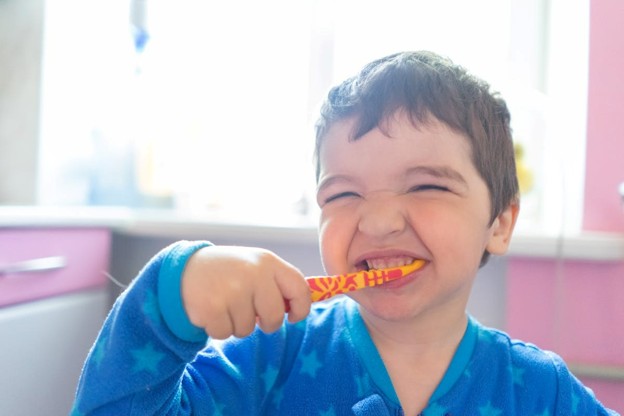
Getting a three-year-old to brush their teeth can feel like negotiating with a tiny, sugar-powered hostage taker. The American Dental Association reports that tooth decay affects 23% of children aged 2-5, making it one of the most common chronic childhood diseases — yet the foundation for lifelong oral health gets built during these exact years when cooperation feels impossible. As pediatric dentistry increasingly emphasizes prevention over treatment, the pressure on parents to establish effective daily routines has never been higher.
The challenge isn’t just getting kids to brush — it’s getting them to brush well, consistently, and without turning bedtime into a battlefield. Children who develop positive associations with dental care early are far more likely to maintain good oral hygiene habits throughout their lives. For families navigating the daily reality of resistance, tears, and forgotten brushings, understanding how to transform this necessary chore into something genuinely enjoyable makes all the difference between establishing lifelong healthy habits and years of dental problems down the road.
How Making Brushing Fun Improves Child Dental Hygiene
When children enjoy brushing their teeth, they brush longer, more thoroughly, and with less parental supervision required. This isn’t just about reducing household stress — it directly impacts dental health outcomes. Kids who associate tooth brushing with positive experiences are more likely to reach the recommended two-minute brushing time, cover all surfaces of their teeth, and maintain consistent daily habits even when parents aren’t watching.
The behavioral psychology behind this is straightforward: activities that feel rewarding get repeated, while those that feel like punishment get avoided or performed half-heartedly. A child who sees brushing as playtime will naturally put more effort into the process than one who views it as an unwelcome interruption to their evening routine. This increased engagement translates to better plaque removal, fewer missed spots, and ultimately fewer cavities.
Consider a typical scenario: a four-year-old who races to the bathroom when it’s “tooth brushing time” because they get to use their musical toothbrush and compete with their favorite cartoon character. Compare that to a child who hides when they hear “time to brush your teeth.” The first child is getting two full minutes of thorough cleaning with proper technique, while the second might get thirty seconds of rushed, incomplete brushing followed by tears.
The long-term benefits extend beyond just cleaner teeth. Children who develop positive dental hygiene habits early are more comfortable with dental visits, more likely to accept fluoride treatments and other preventive care, and less likely to develop dental anxiety that can persist into adulthood. When pediatric oral health becomes associated with fun rather than friction, it sets the stage for a lifetime of better dental outcomes.
Brushing Techniques for Children by Age Group
The mechanics of tooth cleaning change dramatically as children grow, and what works for a one-year-old can be completely inappropriate for a four-year-old. Understanding these developmental differences helps parents adjust their approach to match their child’s physical abilities and cognitive development.
For babies and toddlers under two, parents do 100% of the work. Use a soft cloth or silicone finger brush to gently clean emerging teeth and massage gums. The goal isn’t perfect plaque removal yet — it’s establishing the routine and getting your child comfortable with having their mouth handled. Start with just water or a tiny smear of fluoride-free toothpaste, and focus on making the experience gentle and predictable. Many babies actually enjoy the sensation once they get used to it.
Once children hit the toddler stage (ages 2-3), they can begin participating but still need complete supervision and assistance. This is when you introduce a proper toothbrush with soft bristles and a rice-grain sized amount of fluoride toothpaste. Let your toddler hold the brush and attempt brushing, but follow up by doing it properly yourself. The brushing technique for children at this stage involves small, gentle circular motions, paying special attention to the gum line where plaque typically accumulates.
Preschoolers (ages 4-6) can start learning proper brushing motions but lack the fine motor control for thorough cleaning. They can brush independently for the “fun” part, then parents should finish the job to ensure all surfaces get cleaned. Focus on teaching them to brush front teeth, back teeth, and chewing surfaces separately. Many children this age respond well to timing games or songs that last two minutes, helping them understand how long proper brushing should take.
The key transition happens around age 6-7, when children develop enough dexterity to brush effectively on their own — but they still need supervision to ensure they’re being thorough. This is also when permanent molars start coming in, requiring special attention to reach those back surfaces that are notoriously difficult for children to clean properly.
Choosing Toothbrushes and Toothpaste for Kids
The dental care aisle can overwhelm parents with dozens of colorful options, but the fundamentals of selecting child-friendly oral care products come down to safety, effectiveness, and age-appropriateness. Getting these choices right makes the daily routine easier while protecting your child’s developing teeth.
For toothpaste, the primary consideration is fluoride content and amount. Children under three need only a rice-grain sized smear of fluoride toothpaste — barely visible on the brush bristles. From ages 3-6, increase to a pea-sized amount. The fluoride concentration should match adult toothpaste (1000-1450 ppm fluoride), despite common misconceptions that children need weaker formulations. The American Academy of Pediatric Dentistry changed this recommendation in recent years after research showed that low-fluoride “training” toothpastes don’t provide adequate cavity protection.
Flavor matters more than many parents realize. Children who dislike their toothpaste will resist brushing or avoid getting it properly distributed throughout their mouth. Mild fruit flavors often work better than traditional mint, which many young children find too intense. However, avoid toothpastes that taste too much like candy, as these can encourage swallowing rather than spitting.
Manual versus electric toothbrushes both work effectively for children when used properly. Manual brushes give parents more control and are less intimidating for anxious children, while electric brushes often make the experience more engaging and can improve plaque removal for older children who brush independently. Electric brushes work particularly well for children with limited dexterity or those who rush through brushing, since the mechanical action compensates for technique limitations.
The brush head size should fit comfortably in your child’s mouth — adult brushes are too large for most children under 10. Soft bristles are essential; medium or hard bristles can damage developing enamel and sensitive gum tissue. Replace toothbrushes every 3-4 months or after illness, just as you would for adults. Many children become attached to their toothbrushes, so having a backup identical brush can prevent meltdowns when replacement time comes.
Beyond the basics, consider practical factors that affect daily use. Toothbrushes with timers, lights, or music can make the routine more engaging. However, the novelty often wears off, so don’t rely entirely on gadgets to maintain interest. When you’re ready to schedule regular checkups and professional cleanings, you can book a dental visit for your child to ensure their home care routine is supporting optimal oral health development.
Behavioral Strategies to Encourage Positive Brushing Habits
The difference between a child who cooperates with tooth brushing and one who fights it often comes down to how parents frame and structure the experience. Successful behavior management for dental care relies on consistency, positive reinforcement, and making the routine feel special rather than punitive.
Start by establishing a clear, predictable routine that happens at the same times each day. Children thrive on consistency, and when tooth brushing becomes as automatic as putting on pajamas, resistance typically decreases. However, avoid framing it as something that must be rushed through to get to more enjoyable activities. Instead, build in elements that make brushing time itself rewarding.
Music and timing games transform the necessary two-minute duration from an eternity into an engaging activity. Many families find success with special “tooth brushing songs” that last exactly two minutes, or apps that feature favorite characters encouraging proper technique. The key is finding what resonates with your specific child — some respond to competition (“Can you brush longer than Daddy?”), others prefer collaboration (“Let’s brush our teeth together”), and some need creative storytelling (“The toothbrush is fighting the sugar bugs”).
For resistant children, choice and control often reduce opposition. Let them pick their toothbrush color, choose between two acceptable toothpaste flavors, or decide whether to brush front teeth or back teeth first. These small choices give them agency in the process without compromising the end result. Similarly, letting children brush their own teeth first (even inadequately) before parents “help them finish” can satisfy their desire for independence while ensuring thorough cleaning.
Reward systems work well for most children, but the rewards should be intrinsic to good oral health rather than external bribes. A sticker chart leading to a new toothbrush works better than candy rewards that contradict the health message. Some families create “cavity-free clubs” or have special privileges for children who brush consistently without reminders.
Address specific challenges directly rather than hoping they’ll resolve on their own. Children who gag easily might need a smaller brush head or different positioning. Those who complain about toothpaste “spiciness” might do better with milder flavors or temporarily reduced amounts. Children who resist having their mouths touched might need gradual desensitization, starting with just touching their lips and gradually working up to full brushing over several weeks.
The most important strategy is maintaining calm persistence. Children pick up on parental frustration and anxiety, which can turn tooth brushing into a power struggle. When parents approach the routine with patience and creativity, children are far more likely to develop positive associations that last into adulthood. Remember that establishing good habits takes time — focus on progress rather than perfection, and celebrate small victories along the way.
Creating lasting dental hygiene habits in children requires patience, creativity, and consistency, but the investment pays dividends for decades. The child who learns to associate oral care with positive experiences becomes the teenager who doesn’t need constant reminders and eventually the adult who prioritizes preventive dental health. As your child’s comfort and skill with brushing develops, watch for signs that they’re ready for increased independence — while remembering that most children need some level of supervision until age 8 or 9 to ensure truly effective cleaning.
To find professional guidance and schedule a routine checkup to support your child’s growing smile, you can search for terms like dentist near Manalapan NJ or dentist near me.