What Are the Downsides of Dental Implants?
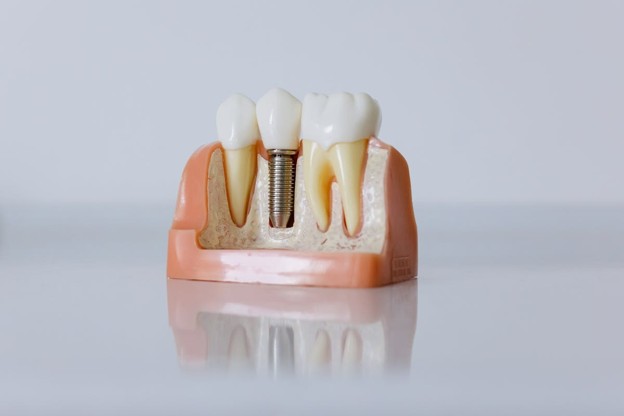
According to the American Dental Association’s 2024 practice data, roughly 3 million Americans have dental implants — a number that’s growing by 500,000 annually. Yet beneath this growth lies a less discussed reality: implants aren’t the right solution for everyone, and understanding their limitations has become crucial as more patients explore tooth replacement options.
The implant industry’s marketing often emphasizes success stories while glossing over contraindications, recovery challenges, and the substantial financial commitment involved. For patients facing tooth loss, this creates a gap between expectations and reality that can lead to disappointing outcomes or unnecessarily complex treatments.
What many don’t realize is that several alternative approaches can deliver excellent results with fewer restrictions, lower costs, and less invasive procedures. The key lies in understanding when implants might not be the best choice — and what proven alternatives exist. This comparison reveals why some patients ultimately find better outcomes with traditional bridges, modern dentures, or emerging minimally invasive options that work around the limitations that make implants problematic.
What Are the Common Downsides of Dental Implants?
The most significant barrier to implants is often bone density. Successful implant placement requires adequate bone structure to support the titanium post, yet many patients lack sufficient bone due to natural resorption after tooth loss, periodontal disease, or conditions like osteoporosis. When bone grafting becomes necessary to create adequate support, the process extends treatment timelines by months and can double the overall cost.
Surgery-related complications present another consideration that many patients underestimate. While serious complications are rare, the procedure requires cutting through gum tissue and drilling into jawbone — a process that can trigger significant swelling, pain, and temporary dietary restrictions. Some patients experience prolonged healing periods, especially those with compromised immune systems or healing disorders.
The financial commitment often proves steeper than initial consultations suggest. A single implant can cost $3,000-$6,000, but additional procedures like bone grafts, sinus lifts, or temporary crowns frequently add thousands more. Unlike bridges or dentures, which can be adjusted or repaired relatively affordably, implant complications often require specialized treatment that insurance may not fully cover.
Time investment creates practical challenges for many patients. The complete implant process typically spans 3-6 months, with multiple appointments for placement, healing assessment, and final restoration. Patients who need immediate tooth replacement for work or social reasons often find this timeline incompatible with their needs.
Medical contraindications also eliminate implants as an option for certain patients. Heavy smokers face significantly higher failure rates, while conditions like uncontrolled diabetes, certain autoimmune disorders, or radiation therapy to the head and neck region can prevent proper healing and integration.
How Do Alternatives Compare to Dental Implants?
When implants present challenges, understanding how other tooth replacement methods perform in daily life becomes essential. The comparison isn’t simply about cost — it involves functional differences that affect eating, speaking, and long-term oral health in distinct ways.
Maintenance requirements vary dramatically between options. While implants need care similar to natural teeth, they can develop complications around the gum line that require professional monitoring. Alternative approaches each carry their own maintenance profiles, from the specialized cleaning required for bridges to the daily removal and soaking routine for dentures.
Longevity expectations also differ significantly. Though implants can theoretically last decades, their supporting structures still face the same risks of gum disease and bone loss that affect natural teeth. Understanding these trade-offs helps patients make decisions aligned with their health conditions, lifestyle preferences, and long-term outlook.
What Are the Pros and Cons of Fixed Alternatives Like Bridges?
Dental bridges offer immediate functionality without surgery, making them attractive for patients who need quick tooth replacement or cannot undergo implant procedures. A traditional bridge spans the gap left by missing teeth by anchoring crowns to adjacent teeth, creating a fixed restoration that feels natural during eating and speaking.
The primary advantage lies in predictable outcomes and shorter treatment times. Most bridge procedures can be completed within 2-4 weeks, allowing patients to return to normal function quickly. The cost typically runs lower than implants, especially when replacing multiple adjacent teeth.
However, bridges require modification of healthy adjacent teeth to serve as anchors. This irreversible process removes enamel and structure from teeth that might otherwise last decades untouched. Additionally, cleaning under bridges requires special flossing techniques and tools that some patients find challenging to master.
Bridge longevity averages 10-15 years with proper care, shorter than well-maintained implants but often sufficient for patients with specific timeline considerations or those who prefer avoiding surgery altogether.
What Should You Know About Removable Alternatives Like Dentures?
Modern dentures have evolved far beyond the stereotype of ill-fitting appliances. Today’s partial and complete dentures utilize advanced materials and precise fitting techniques that can deliver comfortable, functional tooth replacement for appropriate candidates.
Partial dentures work particularly well when multiple teeth are missing in different areas, a situation where implants would require extensive treatment. These removable appliances clip onto remaining teeth, providing chewing function while preserving natural tooth structure completely. Patients can remove them for thorough cleaning, which some find more manageable than the specialized hygiene required around implants.
Complete dentures serve patients who have lost all teeth in an arch. While adjustment takes time, many patients adapt well to properly fitted dentures and appreciate the ability to eat most foods comfortably. The initial learning curve for speaking typically resolves within a few weeks.
The main considerations involve retention and comfort. Well-fitted dentures stay in place during normal activities, though some patients use adhesives for additional security. Modern denture materials resist staining and wear better than older versions, though replacement is typically needed every 5-7 years as jaw contours change.
Which Patient Health Factors Affect Implant Suitability?
Bone health serves as the primary determining factor for implant candidacy, yet many patients don’t realize how common bone density issues become with age. The CDC’s 2023 osteoporosis data indicates that over 16% of women over 50 have osteoporosis in their hip or lumbar spine — a condition that often affects jaw bone density as well.
Patients taking bisphosphonate medications for osteoporosis face particular complications with implant surgery. These medications, while protecting against fractures, can interfere with the bone healing process essential for implant integration. The risk of osteonecrosis, though rare, requires careful evaluation and often temporary medication suspension.
Diabetes management significantly impacts healing and implant success rates. Well-controlled diabetes doesn’t necessarily preclude implant treatment, but patients with HbA1c levels above 7% face higher complication risks. For these individuals, removable alternatives that don’t require surgical healing often provide more predictable outcomes.
Periodontal disease history creates ongoing challenges even after implant placement. Patients with a history of severe gum disease remain at higher risk for peri-implantitis — inflammation around implants that can lead to failure. Those who struggled to maintain healthy gums around natural teeth may find dentures or bridges more manageable from a hygiene perspective.
Age-related factors beyond bone density also influence treatment decisions. Patients in their 70s and 80s may prefer treatments that avoid surgical recovery periods, while those with limited dexterity might find removable appliances easier to clean than the specialized tools required for quality dental implant care in Las Vegas and similar comprehensive programs.
Medication interactions extend beyond osteoporosis drugs. Blood thinners, immunosuppressants, and certain antidepressants can all affect healing or increase surgical risks, making alternatives worth serious consideration for patients managing multiple health conditions.
What Are Emerging Non-Surgical and Minimally Invasive Alternatives?
Mini dental implants represent a middle ground between traditional implants and removable appliances. These smaller-diameter posts require less bone structure and can often be placed without extensive surgery, making them suitable for patients who lack adequate bone for conventional implants but want something more stable than dentures.
The placement procedure typically involves minimal incisions and can sometimes be completed in a single appointment. Mini implants work particularly well for stabilizing lower dentures, a common problem area where traditional dentures often shift during eating or speaking. The reduced surgical trauma means faster healing and lower complication rates for appropriate candidates.
Adhesive bridges offer another innovative approach that preserves healthy tooth structure while providing fixed replacement. These resin-bonded bridges attach to the back surfaces of adjacent teeth with minimal preparation, avoiding the extensive crown work required for traditional bridges. While not suitable for all locations in the mouth, they excel for front tooth replacement where esthetics matter most.
Snap-on dentures combine the stability benefits of implants with the affordability and reversibility of removable appliances. These systems use mini implants or specially designed attachments to secure dentures in place while still allowing removal for cleaning. Patients get improved retention without the extensive surgery and bone grafting often required for implant-supported bridges.
Recent advances in denture materials and design have also expanded options for patients seeking non-surgical solutions. Flexible partial dentures made from thermoplastic materials offer improved comfort and esthetics compared to traditional metal-clasp partials, while computer-aided design allows for more precise fitting and better function.
These emerging alternatives often prove especially valuable for patients transitioning between treatment phases or those seeking temporary solutions while considering more extensive procedures later.
How Does Tooth Replacement Affect Oral Health and Maintenance?
The daily reality of living with different tooth replacement options extends far beyond the initial treatment decision. Each approach requires distinct care routines that can significantly impact long-term oral health and patient satisfaction.
Implant maintenance resembles natural tooth care but with critical differences. While regular brushing and flossing remain essential, implants require specialized attention to the gum-implant junction where bacteria can accumulate and cause peri-implantitis. Patients must master techniques using interdental brushes and water flossers, and professional cleanings often require specialized instruments.
Bridge care introduces the challenge of cleaning underneath the pontic (false tooth portion). Special floss threaders or water flossers become necessary daily tools, and failure to maintain proper hygiene can lead to decay in the supporting teeth or gum inflammation. However, patients who adapt to these techniques often find bridges integrate seamlessly into their oral care routine.
Denture maintenance involves completely different habits — removal, soaking, and specialized cleaning products become part of the daily routine. Many patients appreciate the thoroughness possible with removable appliances, as every surface can be directly accessed and cleaned. The trade-off involves learning to manage adhesives and ensuring proper overnight care to prevent warping or bacterial growth.
Looking ahead, the integration of digital monitoring and personalized maintenance protocols promises to improve outcomes across all tooth replacement methods. As patients weigh their options, understanding these daily maintenance realities — rather than just the initial treatment experience — often proves most valuable for long-term satisfaction and oral health preservation.