Mississippians’ Health Report Card Draws Attention to Gaps in Preventive Care
Over the years, Mississippi has had its fair share of victories. How can we forget the touted ‘Mississippi miracle’? From 1998 to 2024, scores in mathematics and fourth-grade reading went from worst to the nation’s best in this state.
While other states are striving to emulate their educational reforms to match Mississippi’s, there are areas where a lot of work is still needed. Topping that list for many years has been healthcare.
Back in 2019, it was predicted that for every 100 babies born in this state known for Southern hospitality, three would not celebrate their 30th birthday. Around the same time, 9% and 12% of men and women, respectively, spent a considerable part of their adult lives with a disability.
Now, just in 2025, Governor Reeves announced that the state awarded a whopping $206 million to strengthen healthcare in Mississippi’s rural communities. One would expect things to go uphill at least a little, right?
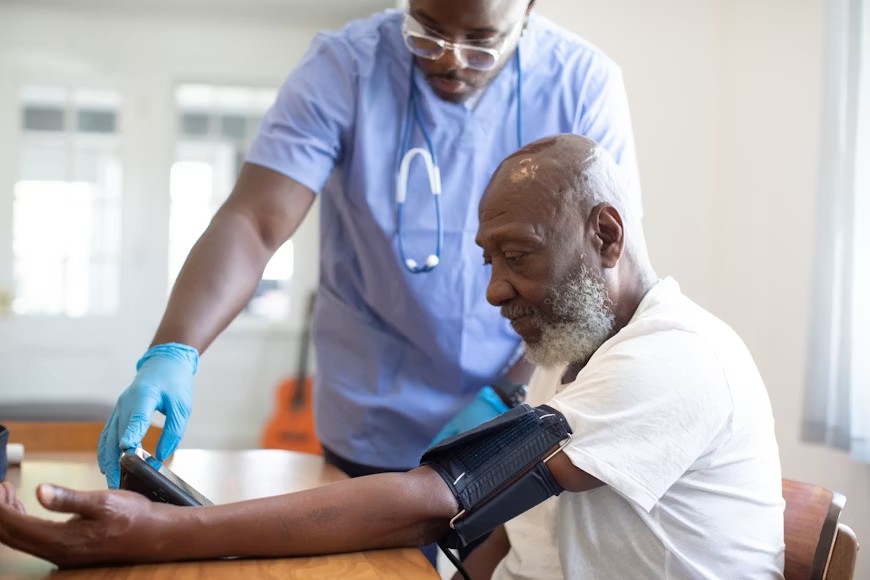
Unfortunately, what promised to be a dawn dissolved into a deeper night. Mississippians’ poor health report card points toward grim healthcare provisions. However, it also calls for stronger preventive care. This article will explore it all in detail and from a public health lens.
Mississippi’s Relentless Cycle of Healthcare Disparities
Guess which state earned the 51st national position in terms of healthcare metrics? Well, to most of Mississippi’s officials, advocacy groups, and residents, the ranking came as no surprise.
The state health officer, Dr. Daniel Edney, remarked that some health numbers had improved in the past two years. However, he acknowledged the preventable death rate and the lowest life expectancy metric. To that, he added, “I have been raising awareness for my entire tenure that it is unacceptable for MS to have the highest rate of preventable death and the lowest life expectancy.”
A recent report on Oklahoma City topping the country as the worst for heart disease deaths came as the final nail in the coffin. When just 35% of Oklahomans are considered obese, the other stat does raise some serious questions. Access, quality, and continuity of care certainly come up as major concerns from time to time.
Given the preventable health risks, it’s worth considering care that can prevent intensive medical treatment. No single approach may suffice, but communities across the country have adopted different ways of encouraging preventive wellness alongside traditional healthcare.
Massage therapy in Austin, for example, exists within a market where wellness businesses, fitness programs, and other complementary services are integrated into everyday health routines. This city has developed one of Texas’s largest wellness ecosystems, with 7.4% of the massage therapists belonging to Austin.
Now, this isn’t to say that those seeking different massages in Austin are necessarily looking to cure serious medical conditions. However, it is certainly a preventive approach. For instance, Mantis Massage shares that deep tissue massages relax the body, which lowers heart rate and blood pressure while stimulating the lungs and circulation. Can this play a supportive role in improving physical and mental well-being? Absolutely.
The Bigger Picture
- Extending beyond hospital capacity, Mississippi’s healthcare crisis involves access to preventive care and long-term wellness.
- Preventive wellness, although not a substitute for medical treatment, can complement healthy lifestyle habits and routine healthcare.
- Communities across the US, such as Austin in Texas, are making preventive services more accessible.
- The main question for Mississippi is not whether one therapy can solve healthcare disparities, but how preventive wellness can become a part of a more comprehensive approach to public health.
Why Preventive Wellness May Need a Stronger Foothold in Mississippi
By its very definition, preventive wellness is about maintaining health long before illness requires medical treatment. Be it periodic health screenings, physical activity, or other healthy lifestyle habits, prevention is how individuals play a more intentional role in their well-being.
While Mississippi is making progress in some areas of healthcare, data shows that preventive wellness still has room for improvement. In 2024, 69.6% of Mississippi adults received age and gender-appropriate cancer screenings. That may not sound so bad until we understand that the national average for the same was 72.9%.
In a conversation so vast, screenings only represent one aspect of prevention. There are also other complementary wellness services to consider. Let’s take our previous example on massage therapy again. It fits here perfectly in light of Mississippi’s deregulation bill of 2021, which involved massage therapists, too.
Lawmakers considered removing state licensure requirements for massage therapists, which led to discussions on consumer protection, professional standards, and access to wellness services. The proposal did not ultimately become a law, but it continues to echo in the form of questions raised on maintaining a balance between preventive care and regulatory frameworks.
By comparison, someone searching for the best massage in Austin will encounter a mature marketplace with numerous licensed providers and established consumer expectations. This is not to imply that Mississippi should replicate another state’s regulatory model. However, different policy environments do impact the accessibility of preventive wellness services.
The Bigger Picture
- Preventive wellness is more of a healthcare philosophy than a collection of individual services.
- The ripples of regulatory decisions often extend beyond the professions they directly govern.
- Consumer protection and healthcare access should always complement, not compete, with one another in a healthcare policy.
- Despite the different regulatory paths states choose, the universal challenge is to encourage healthier communities without losing public trust.
- A stronger culture of prevention begins with spaces where wellness services can peacefully coexist with traditional healthcare.
The Path Toward a Healthier Mississippi
Now that we have examined the healthcare disparities and the need for preventive wellness, the question that follows is what comes next. Is there a panacea for Mississippi’s poor health report card? No, but meaningful progress is possible provided both the healthcare system and the communities it serves are strengthened.
According to Chartis’ Rural Health State of the State report, 28 hospitals across rural Mississippi were found to be vulnerable to closure. That number represented nearly half (49%) of the state’s rural hospitals. Mississippi desperately needs a way to preserve access to healthcare, especially in its countryside.
At the same time, access is just one half of the equation. A 2025 report discovered that Mississippi has the highest cervical cancer mortality rate in the United States. What’s more is that Black women in the state are 1.5 times more likely to die from the condition.
Is it just because Mississippi has the highest percentage of Black people in the country? Certainly not. When combined, we can understand that it’s not just about expanding medical services across the state.
Preventive wellness can help even at the individual level, making people more invested in their health. Simultaneously, a strong healthcare infrastructure based on thoughtful public policies can contribute to healthier communities over the long term. That sounds like a promising path toward a healthier Mississippi.
The Bigger Picture
- A healthier Mississippi depends on strengthening both healthcare infrastructure and preventive wellness.
- Rural healthcare access remains a critical challenge, making the stability of local hospitals essential to long-term public health.
- Health disparities are often influenced by factors like healthcare accessibility and socio-economic conditions, not just disease prevalence.
- Sustainable healthcare progress depends on collaboration between policymakers, healthcare providers, and individuals.
FAQs
Why does Mississippi continue to rank poorly in national healthcare reports?
Mississippi’s healthcare challenges stem from a combination of factors, including limited access to healthcare in many rural areas and higher rates of preventable diseases. While there has been some progress, improving health outcomes in this state will require a stronger healthcare infrastructure along with a greater emphasis on preventive care.
What is preventive wellness, and what are its benefits for Mississippi’s residents?
Preventive wellness focuses on maintaining health before serious illness develops. It involves routine screenings, physical activity, stress management, and other supportive wellness practices. Although preventive wellness cannot replace medical treatment, it can complement traditional healthcare to reduce health risks and detect diseases earlier.
What steps could help improve Mississippi’s healthcare outcomes in the future?
Long-term progress will likely depend on several interconnected efforts, including the protection of rural hospitals and the expansion of access to primary/preventive care. Sustainable improvements become a reality when healthcare providers, policymakers, and local communities work together toward shared public health goals.
Key Data Related to Mississippi’s Healthcare Crisis
| The touted Mississippi miracle | From 1998 to 2024, scores in Mathematics and fourth-grade reading across Mississippi went from worst to the nation’s best |
| 2019 research on Mississippi adult mortality and disability rates |
|
| Mississippi’s state rank in terms of national healthcare metrics | 51st (worst) |
| 2025 state award to strengthen healthcare in Mississippi’s rural communities | Governor Reeves announced an award of $206 million |
| Oklahoma City study on heart disease and obesity |
|
| Share of massage therapists from Austin, Texas | 7.4% |
| Mississippi vs. the national average of adults who received age and gender-appropriate cancer screenings | 69.6% vs. 72.9% |
| Chartis report on Mississippi rural hospitals vulnerable to closure | 28, which is 49% of the total rural hospitals in the state |
Mississippi’s healthcare challenges did not emerge overnight. So, it’s unlikely they will disappear with a single policy change or wellness initiative.
The meaningful progress we previously talked about depends on coordinated efforts across every level of the healthcare system. It’s good news that there are reasons for cautious optimism. The state has been making repeated legislative efforts to expand Medicaid.
While many proposals are still underway, it’s hopeful in the sense that the focus is on long-term solutions. Ultimately, a healthier Mississippi will become a reality when prevention, treatment, and community engagement go hand in hand.