Exterior Repairs Homeowners Should Never Ignore
Owning a house brings plenty of personal pride along with regular upkeep tasks. The outside defenses shield your family from harsh weather day after day. Keeping the surfaces intact prevents minor flaws from turning into major headaches down the road.
Small cracks or loose materials might seem harmless at first glance. Leaving the warning signs alone can compromise your entire living space. Taking quick action protects your long-term property value and keeps your living spaces safe.
Managing Roof Damage Immediately
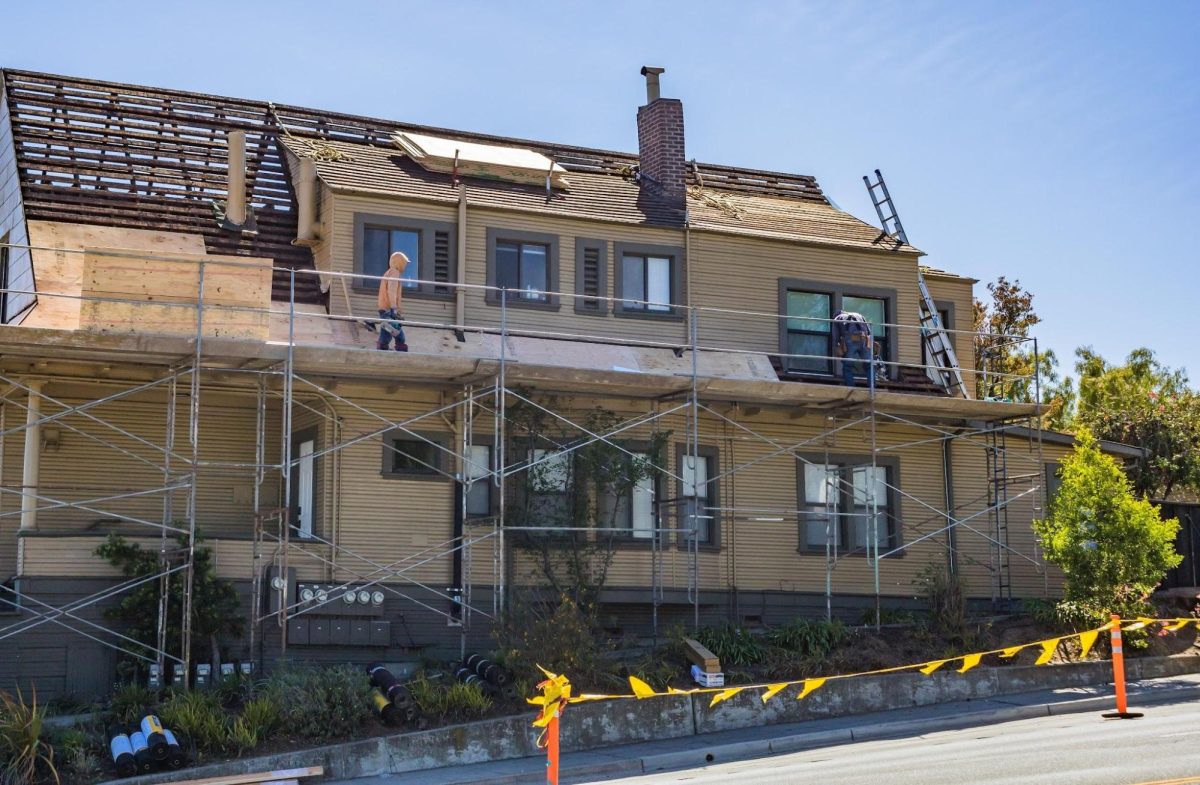
Roofing tiles protect your ceilings from rainfall and heavy winds. If you notice roof damage, working with experts, like those from https://owlroofing.com/, can help protect your property investment from severe weather. Early fixes stop water from leaking into your attic space and ruining your insulation.
Storms often loosen materials on the very top of your house. Inspecting the upper levels after high winds helps locate loose pieces before rain starts. Replacing a few shingles costs far less than replacing plywood underneath.
Water stains on upper ceilings indicate that your top barrier has failed completely. Check your attic for damp spots after heavy downpours to catch leaks early. Fixing the issues keeps your interior drywall dry and safe.
Tracking Foundation Changes
Ground shifts cause buildings to move slightly over many decades. A popular home improvement resource explained that large diagonal cracks mean structural movement. The opening gaps often appear near door frames or brick walls.
Sticking doors tell you that the frame is no longer perfectly square. You might notice windows that refuse to open smoothly during seasonal changes. Small adjustments prevent walls from pulling away from kitchen counters.
Plumbing lines beneath the floor can break when concrete shifts significantly. Watch for unexplained water bills or damp spots on lower flooring panels. Early structural assessments protect the base of your entire property from destruction.
Sealing Outer Walls From Pests
Small insects look for tiny openings to enter your warm house during winter. An online business journal pointed out that indoor pests indicate a poorly sealed exterior. Bugs take advantage of gaps around utility pipes and siding panels.
Mice need very little space to squeeze inside your kitchen walls and nest. Sealing gaps with steel wool and heavy caulk stops them completely. Regular inspections keep your family safe from unwanted woodland visitors throughout the year.
Termites cause severe structural damage if left alone for many months. Look for mud tubes along concrete barriers near the dirt lines. Keeping wood piles away from main walls discourages insects from invading your rooms.
Stopping Moisture Intrusion
Rainwater finds every small opening in your outer walls during storms. A major design publication reported that tiny cracks allow moisture to seep inside walls. Constant wetness creates hidden safety concerns behind your drywall panels.
Peeling paint on wooden trim signals that water is trapped underneath the surface. Wood rot spreads quickly when hot sun and dampness mix constantly. Replacing softwood prevents structural frames from weakening as months pass.
Damp walls can ruin insulation and lower your seasonal energy efficiency. Checking caulking around window frames prevents leaks during heavy summer storms. Fresh sealant acts as a strong barrier against regular rainfall and wind.
Keeping Gutters Clear
Gutters channel heavy rain away from your concrete base and basement walls. Clogged channels overflow and dump water directly next to your lower walls. Pooling water causes soil to wash away near your deep footings.
Regular maintenance prevents severe overflow problems during seasonal storms. Cleaning schedules should target specific areas of your drainage system:
- Clearing fallen autumn leaves from upper downspouts
- Checking metal brackets for sagging lines
- Directing pipe extensions 5 feet away from walls
Sagging gutters pull away from the roofline and damage wooden fascia boards. Heavy organic debris creates perfect breeding grounds for mosquitoes and flying pests. Clean channels shield your roof edges from rotting throughout the winter seasons.
Repairing Damaged Siding
Siding panels serve as the primary armor for your exterior insulation layers. Cracked vinyl or split wood exposes inner layers to harsh daily sunlight. Strong winds can easily rip loose panels completely off your house structure.
Warped sections often mean that trapped moisture is pushing outward from within. Replacing the sections keeps your energy bills low during extreme summer seasons. Neat siding keeps your property looking great to your local neighbors.
Gaps between panels let freezing air enter your interior wall cavities. Checking the lower edges of your home reveals hidden damage from lawnmowers. Quick repairs keep your outer shield completely solid all year long.
Taking care of your home exterior saves thousands of dollars in emergency restoration fees. Regular checkups catch minor flaws before they spread across your structures. A solid outer shield protects your long-term peace of mind.
Walk around your property every season to spot structural shifts early. Small physical efforts keep your living space safe, dry, and comfortable. Your home remains a haven when you protect its outer shell.