The Benefits of Sedation and Tips for Oral Surgery Recovery
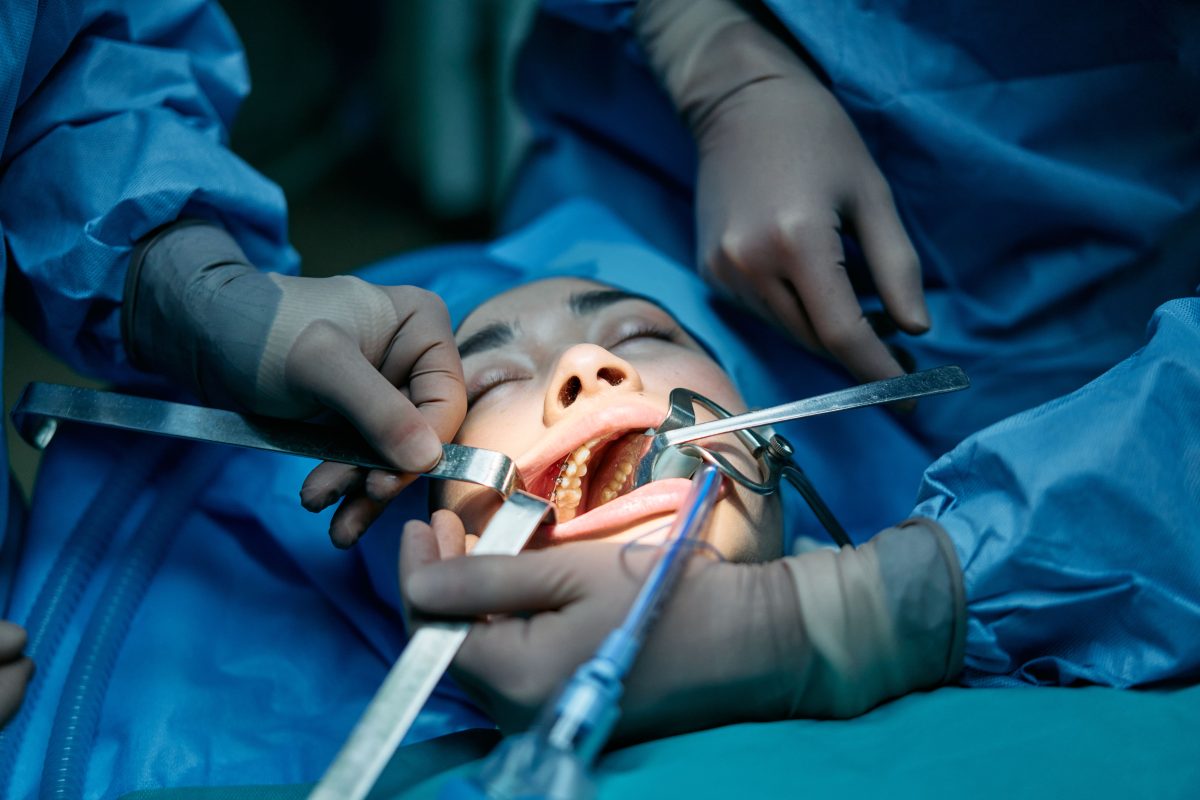
According to the American Association of Oral and Maxillofacial Surgeons, approximately 69% of adults aged 35-44 have lost at least one permanent tooth, often requiring surgical intervention to restore function and prevent further complications. As oral surgery techniques have evolved in 2024, sedation has become increasingly sophisticated, moving beyond simple anxiety management to actively supporting better patient outcomes and faster recovery times. This shift reflects a broader understanding of how stress hormones and anxiety can actually impair healing at the cellular level.
For the millions of Americans facing oral surgery each year — from routine extractions to complex reconstructive procedures — the recovery period often determines long-term success more than the surgery itself. Yet most patients receive only basic post-operative instructions, missing crucial insights about how different sedation methods can enhance their healing process. Understanding these connections between sedation, stress response, and recovery can mean the difference between a smooth healing journey and weeks of unnecessary discomfort.
How Does Sedation Improve Oral Surgery Recovery?
The relationship between sedation and recovery extends far beyond patient comfort during the procedure itself. When patients undergo oral surgery under appropriate sedation, their bodies experience significantly lower stress hormone production, particularly cortisol, which directly interferes with the inflammatory response necessary for proper healing.
Consider someone facing wisdom tooth extraction who’s highly anxious about the procedure. Without sedation, their elevated stress levels trigger a cascade of hormones that can suppress immune function for days afterward. Research from the Journal of Oral and Maxillofacial Surgery demonstrates that patients who receive conscious sedation show more predictable healing patterns and report less post-operative pain compared to those who undergo procedures with local anesthesia alone.
Conscious sedation creates an optimal physiological state for healing by maintaining stable blood pressure and heart rate throughout the procedure. This stability continues into the immediate recovery period, as patients emerge from sedation with lower baseline stress levels. Their bodies can immediately redirect energy toward tissue repair rather than managing ongoing anxiety responses.
The benefits compound during the critical first 48 hours when initial healing processes establish the foundation for long-term recovery. Patients who received sedation typically experience less inflammatory swelling because their stress response never reached the peaks that trigger excessive inflammation. This translates to more comfortable eating, better sleep quality, and earlier return to normal activities — all factors that further support the healing process.
IV sedation offers additional advantages for complex procedures, as the controlled medication delivery allows surgeons to work more efficiently, often reducing actual surgery time. Shorter procedures mean less tissue trauma, which directly correlates with faster recovery times and reduced risk of complications.
What Is the Typical Oral Surgery Recovery Timeline?
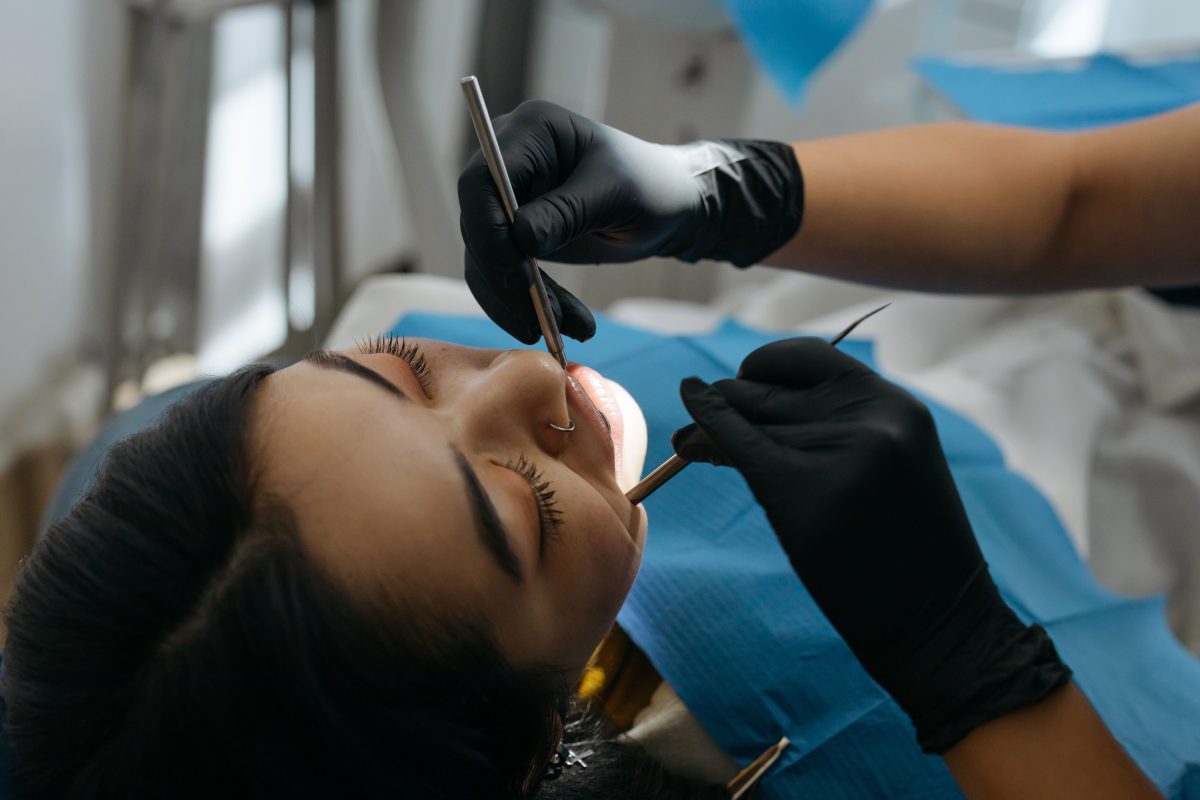
Recovery from oral surgery follows predictable phases, though the specific timeline varies considerably based on procedure complexity and individual factors. Understanding these phases helps patients recognize normal healing versus potential complications, especially when sedation has influenced their initial recovery experience.
The immediate recovery phase spans the first 24-48 hours, during which patients experience peak swelling and discomfort. For those who received sedation, this phase often feels more manageable because the transition from medicated to natural state occurs gradually, allowing pain management medications to establish effective levels before sedation fully wears off.
Recovery Phases by Procedure Type
Simple extractions typically follow a 5-7 day active recovery timeline, with most patients returning to normal eating patterns within a week. However, patients who received sedation often report feeling more rested during this period, as the procedure itself was less physically taxing on their system.
Wisdom tooth removal presents a more complex recovery pattern, particularly for impacted teeth requiring bone removal. The initial 3-4 days involve significant swelling and dietary restrictions, followed by a 10-14 day period of gradual improvement. Sedated patients frequently experience less jaw stiffness during this period, as muscle tension during the procedure was minimized.
Dental implant placement involves the longest timeline, with initial soft tissue healing occurring over 2-3 weeks, followed by a 3-6 month osseointegration period. The sedation benefit here lies primarily in the reduced stress response, which can positively influence the body’s acceptance of the titanium implant.
What to Expect Day-to-Day After Surgery
Days 1-2 typically bring peak swelling and discomfort, regardless of sedation type. However, sedated patients often sleep better during these crucial early healing days, as their nervous systems remain calmer from the procedure experience.
Days 3-5 mark the turning point when swelling begins subsiding and patients can gradually expand their diet. Those who received sedation frequently reach this milestone slightly earlier, as their initial inflammatory response was more controlled.
Week 2 and beyond involves tissue maturation and strength building. Patients should notice steady improvement in comfort and function, with sedation’s benefits becoming less apparent as natural healing processes take over.
How Can Pain Management and Oral Hygiene Support Recovery?
Effective pain management after oral surgery requires a multi-layered approach that considers how sedation medications interact with post-operative prescriptions. Patients who received sedation often have a smoother transition into pain management protocols, as their bodies haven’t experienced the full stress impact of the surgical procedure.
Medication timing becomes crucial in the first 24 hours. The residual effects of sedation can enhance the effectiveness of prescribed pain medications, but this also requires careful monitoring to avoid over-medication. Most oral surgeons adjust initial dosing recommendations based on the type and duration of sedation used during the procedure.
The key insight many patients miss is that consistent medication timing prevents pain from building to unmanageable levels. Rather than waiting until pain becomes severe, maintaining steady medication levels — particularly during the first 72 hours — allows the body to focus energy on healing rather than pain response.
Oral hygiene presents unique challenges immediately after surgery, as aggressive brushing or rinsing can disrupt blood clots essential for healing. The standard protocol involves gentle saltwater rinses beginning 24 hours post-surgery, avoiding the surgical sites while maintaining cleanliness in unaffected areas.
Many patients underestimate the importance of bacterial control during recovery. The mouth’s natural bacteria population can overwhelm healing tissues if proper hygiene isn’t maintained. Prescribed antimicrobial rinses serve a dual purpose: preventing infection while promoting the pH balance necessary for optimal tissue regeneration.
For patients seeking experienced oral surgery in Union City, understanding these hygiene protocols before the procedure helps establish realistic expectations and better preparation for the recovery period.
Temperature therapy works synergistically with proper oral care. Cold therapy during the first 48 hours reduces swelling and provides natural pain relief, while warm compresses after day three can improve circulation and promote healing. The timing of this transition coincides with when oral hygiene routines can become more thorough without disrupting healing tissues.
Which Diet and Lifestyle Choices Promote Faster Healing?
Nutrition during oral surgery recovery goes far beyond avoiding hard foods — it becomes an active component of the healing process. Patients who received sedation often have suppressed appetites initially, making strategic food choices even more critical for maintaining the energy reserves necessary for tissue repair.
Protein requirements increase significantly during healing, as the body rebuilds damaged tissues and fights potential infections. Soft protein sources like Greek yogurt, protein smoothies, and well-cooked fish provide essential amino acids without requiring aggressive chewing that could disturb surgical sites.
Anti-inflammatory foods can complement prescribed medications in managing post-operative swelling. Foods rich in omega-3 fatty acids, such as salmon or chia seeds (when appropriately prepared), support the body’s natural inflammation resolution processes. Berries and leafy greens, when consumed in smoothie form, provide antioxidants that protect healing tissues from oxidative stress.
Hydration becomes particularly crucial for patients who received IV sedation, as these medications can affect kidney function temporarily. Maintaining adequate fluid intake helps flush residual anesthetics while supporting the increased blood flow necessary for healing. However, patients must avoid using straws, as the suction can dislodge protective blood clots.
Activity modification requires balancing rest with gentle movement. While complete bed rest isn’t necessary, avoiding strenuous exercise for 5-7 days prevents blood pressure spikes that could trigger bleeding. Patients who received sedation often feel more fatigued initially, making this rest period feel more natural and less restrictive.
Sleep positioning significantly impacts recovery comfort and healing quality. Elevating the head reduces blood flow to surgical sites, minimizing swelling and bleeding risk. The sedation experience often helps patients establish this sleeping pattern more easily, as they’re already accustomed to altered positioning from the procedure day.
Smoking cessation becomes non-negotiable during recovery, as nicotine dramatically impairs blood flow to healing tissues. For patients who received sedation, this temporary break from smoking routines can serve as an opportunity to extend cessation beyond the healing period.
The recovery journey after oral surgery reveals how interconnected our body’s systems truly are. What starts as a localized dental procedure becomes an opportunity to support your overall health through mindful nutrition, appropriate rest, and strategic pain management. As you move through your healing timeline, pay attention to how your energy levels and comfort improve with each small dietary and lifestyle adjustment — these signals often guide the most successful recoveries.