Types of Cases Cruise Ship Accident Lawyers Handle
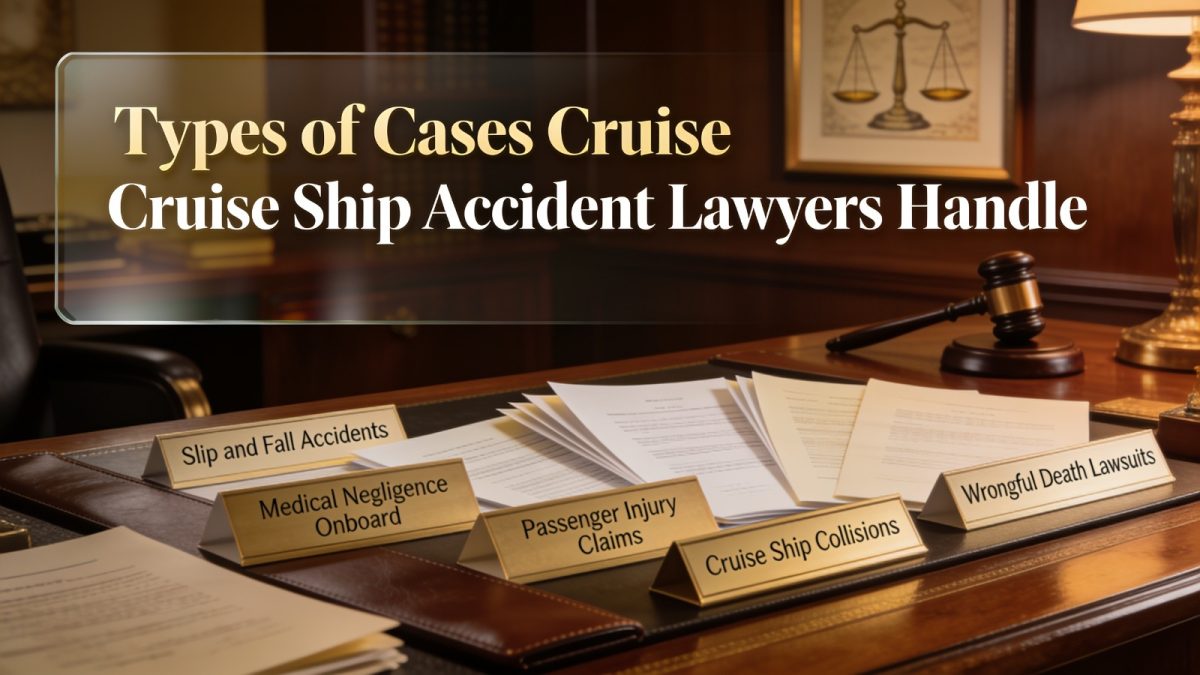
You’re more vulnerable to serious injury on a cruise ship than you might realize. Cruise ship accident lawyers handle slip-and-fall cases, cabin fires, evacuation failures, foodborne illness claims, sexual assault incidents, medical malpractice, overboard accidents, and catastrophic maritime disasters.
Each case stems from negligent maintenance, inadequate safety protocols, or failure to train crew members properly. You can pursue compensation for medical bills, lost wages, and pain and suffering. Discover how specific documentation strengthens your legal case.
Slip-and-Fall Accidents and Negligent Maintenance
Slip-and-fall accidents represent one of the most common injuries you can sustain aboard a cruise ship, yet they’re often preventable through proper maintenance and hazard management. When you slip on wet decks, uneven surfaces, or poorly maintained walkways, the cruise line may bear responsibility for your injuries.
You’ll find that negligent maintenance—such as failing to repair torn carpeting, addressing spills promptly, or installing adequate handrails—creates dangerous conditions. If the ship’s crew knew or should’ve known about hazards and didn’t address them, they’re liable for your damages.
Documentation matters greatly. You should report incidents immediately, photograph the accident scene, and gather witness statements. Medical records establishing your injuries strengthen your case considerably.
Your cruise ship accident lawyer can demonstrate how the company’s failure to maintain safe conditions directly caused your injuries, securing compensation for medical bills, lost wages, and pain and suffering. Contact us today to discuss your legal options.
Cabin Fires and Evacuation Response Failures
While you’re relaxing in your cabin, a fire can spread rapidly if the cruise line hasn’t maintained proper safety systems or trained crew members adequately. You depend on fire suppression equipment, alarm systems, and sprinklers to function correctly during emergencies.
When evacuation failures occur, you face serious injuries or worse. Cruise lines must guarantee crew members know emergency procedures, lifeboats remain accessible, and muster drills happen regularly.
Inadequate staffing, blocked emergency exits, or faulty evacuation equipment violate maritime safety regulations.
If you’re harmed in a cabin fire due to negligent maintenance or poor evacuation response, you may have grounds for legal action. You can pursue compensation for medical expenses, pain and suffering, and other damages resulting from the cruise line’s failure to protect passengers.
Foodborne Illness and Contamination Claims
Beyond structural hazards like fires, cruise ships pose serious health risks through foodborne illness and contamination. You’re vulnerable to illnesses caused by improper food handling, inadequate storage temperatures, and unsanitary kitchen conditions. Norovirus and salmonella outbreaks frequently occur on vessels, affecting hundreds of passengers simultaneously.
When you contract foodborne illness aboard, you’ll likely experience severe gastrointestinal distress, dehydration, and potential complications.
Cruise lines must maintain strict sanitation protocols, yet violations happen regularly. You can pursue claims against the cruise operator for medical expenses, lost wages, and pain and suffering. Your lawyer will investigate whether negligence caused your illness and establish the ship’s liability.
Documentation of your symptoms, medical records, and witness statements strengthen your case considerably.
Sexual Assault Incidents and Personal Safety Failures
Sexual assault remains one of the most serious dangers you’ll face aboard a cruise ship, often enabled by inadequate security measures and insufficient staff training. You deserve protection through properly maintained security cameras, well-lit corridors, and trained personnel who respond appropriately to incidents.
When cruise lines fail to implement these safeguards, they create environments where predators operate with minimal consequences. You might encounter delayed incident reporting, inadequate investigations, or crew members who dismiss your concerns entirely.
If you’ve experienced sexual assault aboard a cruise ship, you can pursue legal action against the cruise line for negligent security, failure to train staff, and breach of duty. These cases hold companies accountable for prioritizing profits over passenger safety.
An experienced cruise ship accident lawyer can help you seek compensation and justice.
Medical Malpractice and Onboard Healthcare Negligence
When you’re ill or injured at sea, you’re dependent on the ship’s medical staff, and their failures can have serious consequences.
You might experience diagnostic errors that delay critical treatment, suffer from medication mistakes due to inadequate staffing levels, or receive substandard care from undertrained personnel who can’t handle your condition properly.
These healthcare negligence issues can transform a medical emergency into a preventable tragedy while you’re trapped aboard with limited resources and no immediate access to shore-based hospitals.
Diagnostic Errors and Misdiagnosis
Because cruise ships operate in isolated environments far from major medical facilities, diagnostic errors can have catastrophic consequences for passengers and crew members.
You may encounter situations where onboard doctors misdiagnose serious conditions like heart attacks, strokes, or appendicitis, delaying critical treatment.
Limited diagnostic equipment and inexperienced medical staff compound these problems.
When you’re misdiagnosed, you might receive inappropriate medication or incorrect treatment, worsening your condition. Some cases involve failure to recognize symptoms altogether, leaving treatable conditions untreated until you reach port.
You can pursue legal action against the cruise line when diagnostic negligence causes you harm.
Your claim should establish that a competent physician would’ve diagnosed your condition correctly, and that this error directly caused your injuries or damages.
Inadequate Medical Staffing Issues
Cruise ships often operate with skeleton medical crews that lack the expertise and resources you’d find in land-based hospitals. When you suffer a serious illness or injury at sea, you’re dependent on staff who may be undertrained or ill-equipped to handle complex medical emergencies.
Inadequate staffing creates dangerous gaps in care. You might experience delayed treatment, missed diagnoses, or improper medication administration.
If a single doctor becomes overwhelmed during multiple emergencies, critical patients receive neglected attention. Nurses may lack specialization in your condition, and available equipment can’t match what land hospitals provide.
These staffing shortages directly compromise your safety and recovery. If you’ve suffered harm due to insufficient medical personnel, you can pursue legal action against the cruise line for negligence and breach of duty.
Medication Errors and Negligence
Beyond staffing shortages, the medical care you receive aboard a cruise ship can be compromised by medication errors and preventable negligence. You might receive incorrect dosages, wrong medications, or prescriptions that dangerously interact with your existing conditions.
Medical staff may fail to review your health history before administering treatment, leading to serious complications. These errors can occur during diagnosis, treatment administration, or documentation.
If you’re harmed by such negligence, you have grounds for a lawsuit. You can recover damages for your injuries, medical expenses, pain and suffering, and lost wages.
Cruise lines have a legal duty to maintain safe medical practices and hire competent healthcare providers. When they fail this obligation, you deserve compensation for the harm you’ve suffered.
Overboard Accidents and Defective Safety Barriers
You face significant risks when cruise lines fail to install barriers meeting safety standards, leaving you vulnerable to falling overboard.
Your safety depends on whether the ship’s designers and operators implement proper fall prevention measures, yet many vessels don’t meet adequate railing height requirements.
These deficiencies transform routine activities on deck into potentially fatal accidents that could’ve been prevented through proper safety compliance.
Negligent Barrier Installation Standards
When ships fail to install, maintain, or inspect safety barriers properly, they’re creating dangerous conditions that can lead to catastrophic overboard incidents. You deserve protection from railings that don’t meet international maritime standards or barriers installed below required heights.
Cruise lines must comply with SOLAS (Safety of Life at Sea) regulations, which establish minimum barrier specifications designed to prevent passenger falls.
When you board a ship, you’re trusting the operator has inspected railings for rust, corrosion, and structural integrity. Negligent installation standards put you at serious risk.
If you’ve suffered an overboard accident due to defective barriers or improper installation, you can pursue legal action against the cruise line. Documentation of safety violations strengthens your case considerably.
Passenger Fall Prevention Failures
Cruise lines bear legal responsibility for implementing extensive fall prevention systems that go far beyond minimum barrier standards. When you’re aboard a vessel, you’re entitled to adequate deck railings, non-slip surfaces, and proper lighting that prevent accidental falls overboard.
If you slip on a wet deck without warning signs or trip over unmarked hazards, the cruise line may be liable for negligence. Defective safety barriers that don’t meet industry standards create dangerous conditions.
You shouldn’t have to worry about poorly maintained railings or inadequate handrails in corridors and stairwells. When cruise lines fail to maintain these critical safety features, they expose you to serious injuries or catastrophic overboard accidents.
Your legal case hinges on proving the cruise line knew or should’ve known about these hazardous conditions.
Inadequate Railing Height Requirements
International maritime regulations mandate that ship railings meet minimum height standards—typically 42 inches—to prevent passengers from accidentally falling overboard. When cruise lines fail to maintain these requirements, you’re left vulnerable to serious injury or death.
Defective railings pose significant hazards, especially in areas like balconies, promenades, and outdoor decks where you’d reasonably expect adequate protection. If a railing’s height falls short of legal standards, the cruise line bears responsibility for any resulting accidents.
You should know that inadequate railings constitute negligence. Cruise operators must regularly inspect, maintain, and repair barriers to guarantee your safety. When they don’t, you have grounds for a personal injury lawsuit.
If you’ve suffered injuries from falling overboard or contact with defective railings, you deserve compensation for medical expenses, lost wages, and pain and suffering.
Cruise lines can be held liable for failing to meet their duty of care to passengers.
Catastrophic Maritime Disasters and Systemic Safety Failures
While most cruise ship accidents involve individual injuries or localized incidents, catastrophic disasters reveal deep structural failures in maritime safety protocols.
You’ll find that major maritime catastrophes typically stem from multiple systemic breakdowns—inadequate crew training, faulty maintenance procedures, ignored safety inspections, and poor emergency response coordination.
When you examine cases involving ship groundings, collisions, or fires affecting hundreds of passengers, you’re looking at situations where cruise lines failed to implement basic safety standards across all operations.
These disasters expose how cost-cutting measures, insufficient regulatory oversight, and organizational negligence combine dangerously.
Your lawsuit in these cases can address not just immediate injuries but also the preventable failures that allowed the disaster to occur.
You’re holding companies accountable for their responsibility to maintain safe vessels and protect everyone aboard.
Conclusion
You’re steering treacherous waters when cruise ship accidents strike. Whether you’re battling slip-and-falls, fires, contamination, or worse, you’ll find that these cases aren’t simple open-and-shut matters. They’re tangled webs of maritime law and corporate responsibility. That’s why you shouldn’t anchor your hope to chance—you’ve got to chart your course with experienced legal representation. You’ll need advocates who’ll fight through the storm to secure the justice and compensation you deserve.