Is Your Business Prepared for a Fire Emergency?
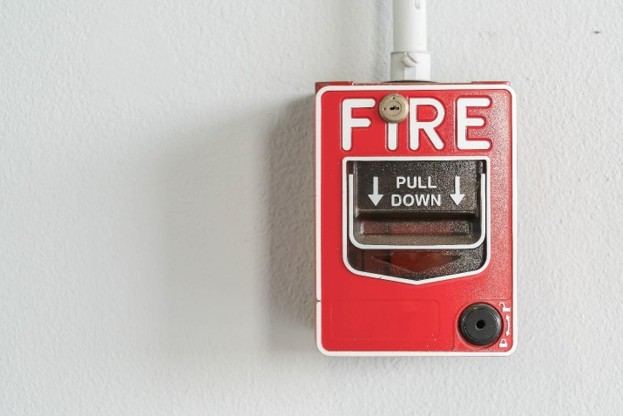
Your business is prepared for a fire emergency only if it has the right fire protection systems, a clear emergency response plan, regular inspections, and employees who know exactly what to do during an emergency. Preparing before a fire occurs can save lives, reduce property damage, and help your business recover more quickly.
Fire emergencies can happen without warning, whether they are caused by electrical faults, cooking equipment, flammable materials, or human error. Every business, regardless of its size or industry, should take fire safety seriously to protect employees, customers, and valuable assets.
A comprehensive fire safety strategy involves more than installing a few fire extinguishers. It requires ongoing maintenance, routine inspections, and employee training to ensure every safety measure works when it is needed most. Partnering with experienced providers such as Fire Pros Fire Protection Services can help businesses develop reliable fire protection systems and stay prepared for unexpected emergencies.
Start With a Fire Risk Assessment
Every workplace has unique fire hazards. A thorough fire risk assessment helps identify potential ignition sources, combustible materials, and areas where additional safety measures may be needed.
During the assessment, consider:
- Electrical equipment
- Heating systems
- Storage of flammable materials
- Kitchen or cooking areas
- Emergency exits
- Occupancy levels
Reviewing these risks regularly helps ensure your safety plan remains effective as your business grows.
Install and Maintain Fire Protection Systems
Fire protection equipment is only effective when it is properly maintained. Businesses should ensure that smoke detectors, fire alarms, sprinkler systems, fire extinguishers, and emergency lighting are inspected and serviced according to recommended schedules.
Routine maintenance helps identify worn components or equipment failures before they become serious problems during an emergency.
Create a Clear Emergency Evacuation Plan
Employees should know exactly what to do if a fire occurs. A written evacuation plan reduces confusion and helps people exit the building quickly and safely.
Your evacuation plan should include:
- Clearly marked exit routes
- Designated assembly areas
- Emergency contact information
- Procedures for assisting visitors or individuals with disabilities
- Instructions for reporting emergencies
Review the plan regularly so everyone understands their responsibilities.
Train Employees Regularly
Even the best fire safety equipment cannot replace proper employee training. Staff members should understand how to recognize fire hazards, report potential risks, and respond during an emergency.
Regular fire drills give employees an opportunity to practice evacuation procedures and identify any issues that need improvement.
Keep Fire Safety Equipment Accessible
Emergency equipment should always remain easy to locate and use. Fire extinguishers should never be blocked by furniture, inventory, or storage materials. Exit doors and escape routes should also remain clear at all times.
Simple housekeeping practices can significantly improve workplace safety during an emergency.
Review Your Plan Every Year
Businesses change over time. New equipment, renovations, increased staffing, or changes in operations may create new fire risks.
Reviewing your fire safety plan at least annually helps ensure it reflects your current workplace layout, staffing, and operational needs. Updates should also be made whenever significant changes occur within the business.
Build a Culture of Fire Safety
Fire preparedness should become part of your company’s daily operations rather than something considered only during inspections. Encourage employees to report hazards, participate in training, and follow established safety procedures.
When everyone understands the importance of fire prevention, businesses are better equipped to reduce risks and respond effectively if an emergency occurs.
Key Takeaways
- Fire preparedness requires planning before an emergency happens.
- Conduct regular fire risk assessments to identify workplace hazards.
- Maintain fire alarms, sprinklers, extinguishers, and other protection systems.
- Develop a clear evacuation plan and practice it through regular fire drills.
- Train employees to recognize hazards and respond appropriately during emergencies.
- Keep emergency exits and fire safety equipment accessible at all times.
- Review and update your fire safety plan regularly to keep pace with changes in your business.