How to Choose a Water Dispenser: A Practical Guide for Australian Homes and Offices

A water dispenser looks like a simple purchase until you start comparing them. Bottled or plumbed, hot or just cold, freestanding or benchtop, ceramic or plastic, buy or rent, and each of those choices changes the running cost more than the sticker price does.
This guide works through the decisions in the order they actually matter, so you end up with the right unit rather than the one that appeared first in the search results.
Key Takeaways
- The bottled versus plumbed decision drives everything else, including cost, placement and installation.
- Hot and cold units suit offices and tea drinkers, while room and cold models are cheaper and use less power.
- Bottle sizes commonly run from 5L up to 15L, and the heavier ones are genuinely hard to lift onto a top-loading unit.
- Renting suits short-term or uncertain needs, buying suits settled long-term use.
- Check for HACCP certification and ask how often the supplier services and sanitises the unit.
Bottled or Plumbed?
This is the first fork, and it decides most of what follows. A bottled unit takes a refillable bottle on top or in a cabinet below, needs no plumbing, and can be moved wherever there is a power point.
A plumbed unit connects to your mains supply and filters the water on site. There is no bottle handling and no delivery schedule, but you pay for installation, and the unit has to live near a water line.
Bottled makes sense for rented premises, sites without convenient plumbing, or anyone who wants water from a specific source rather than filtered mains. Plumbed makes sense for high-volume settings where bottle handling becomes a chore.
Which Temperature Options Do You Need?
Room and cold units dispense chilled water and ambient water. They cost less to buy and less to run, and for a household that mostly wants cold water, they are usually enough.
Hot and cold units add near-boiling water on demand. In an office, that is the difference between a dispenser and a genuine replacement for the kettle, which is why they dominate workplace installations.
Be realistic about the hot tap. If nobody makes tea at their desk, you are paying to heat water that nobody drinks.
Freestanding or Benchtop?
Freestanding units sit on the floor at a comfortable dispensing height and suit offices, staff rooms and larger kitchens. They take up floor space but need no bench.
Benchtop models are smaller and cheaper, though they consume counter space you may not have.
A common compromise is a benchtop unit paired with a purpose-built stand or wooden bench, which gives you the height of a freestanding model with a smaller footprint.
Stands are worth buying properly rather than improvising. A full bottle is heavy, and a dispenser on an unstable surface is a real hazard around children.
Ceramic or Plastic?
Ceramic dispensers are the traditional option, and many people prefer the taste, since nothing is stored against plastic. They look better in a domestic kitchen, and they are heavier and more stable.
Plastic units are lighter, cheaper and harder to break. For a busy office or a worksite where things get knocked, plastic is the practical answer.
Neither is wrong. Choose ceramic if the dispenser lives somewhere people see it, and plastic if it lives somewhere people work.
Weight is the practical difference nobody mentions. A ceramic unit is far less likely to be knocked over, but it is also far less likely to be moved once you have put it somewhere.
Sizing and Bottle Handling
Bottle sizes commonly range from 5L through 10L, 12L and 15L, with smaller 1.5L bottles available for other uses. Larger bottles cost less per litre but weigh considerably more.
A full 15L bottle is around 15 kilograms. Lifting that onto a top-loading dispenser is manageable for some people and genuinely not for others, so match the bottle size to whoever will actually be changing it.
Bottom-loading units solve this by housing the bottle in a cabinet below, which is worth the extra cost in households with older or smaller members.
Work out your weekly consumption before choosing, because running out mid-week is more annoying than storing one spare.
Offices Have Different Requirements
Volume is the obvious difference, and it usually points to hot and cold, freestanding and a standing delivery schedule. Underestimating consumption is the most common office mistake.
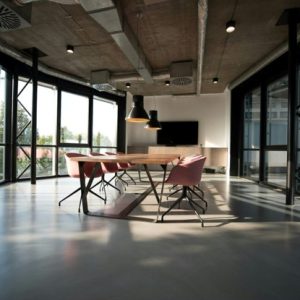
Placement matters more than people expect. A dispenser tucked in a back corner gets used less than one in the path people already walk, and an underused dispenser is still a full monthly cost.
Consider the extras too. Disposable cups, a stand and a spare bottle rotation are small line items that get forgotten until the first week.
What It Actually Costs to Run
The unit price is the smallest part of the equation. Your ongoing cost is water, electricity, servicing and delivery, and the balance between those shifts depending on which format you chose.
Bottled units cost more per litre but nothing to install. Plumbed units cost more upfront and then run on mains water plus filter replacements, so they get cheaper the more you drink.
Larger bottles bring the per-litre cost down, which is why offices tend toward 15L and households toward 10L or 12L.
Ask suppliers to quote a cost per litre rather than a cost per bottle, since that is the only figure that compares cleanly across sizes.
Electricity is modest but not zero, and hot and cold units draw noticeably more than room and cold.
If the dispenser sits somewhere unused overnight, a model with a timer or an energy-saving mode is worth asking about.
Rent or Buy?
Renting suits uncertain or temporary situations. A new office, a short lease or a trial period all favour a rental, since you are not committing capital to equipment you may not need in a year.
Buying wins over the long term for a settled home or an established workplace. Run the numbers over three years rather than one, and remember to include servicing either way.
Read what a rental actually covers before comparing it to a purchase price. Some agreements bundle servicing, sanitisation and breakdown replacement, which changes the comparison considerably.
Hygiene and Maintenance
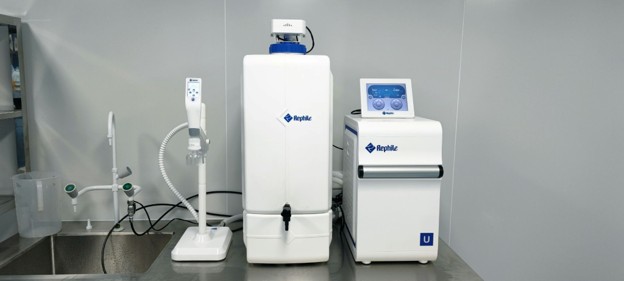
Dispensers need periodic sanitisation, and this is the part most buyers never ask about. Ask your supplier how often they service the unit, whether that is included, and what it costs if it is not.
Filters on plumbed units have replacement schedules that vary by model and by local water quality. Get the interval and the cartridge cost in writing before you commit, because a cheap unit with expensive consumables is not cheap.
What to Check Before You Order
Certification is the first thing to look for. HACCP certification covers food safety management, and a supplier who holds it should be able to show you a current certificate rather than just display a logo.
Then check practical logistics. Does the supplier deliver to your area, do they service home, office and industrial sites, and how do they handle empty bottle returns?
That short list is what turns browsing into buying. Take it with you when you browse water dispensers Australia wide, and you will be comparing specifications rather than photographs.
Refresh Waters is one example worth a look, publishing its current HACCP certificate openly and covering Perth, Sydney, Melbourne, Brisbane and Toowoomba with home, office and factory delivery. Whoever you choose, confirm delivery coverage for your postcode before ordering.
Conclusion
Get the bottled versus plumbed decision right and everything downstream becomes straightforward.
After that, it is a matter of matching temperature options, size and materials to where the unit will actually live and who will actually use it.
Ask about servicing and bottle handling before you order rather than after. Those two things determine whether a dispenser stays in daily use or ends up unplugged in a corner.
Water Dispenser FAQs
What is the difference between a bottled and a plumbed water dispenser? A bottled unit uses a refillable bottle and needs only a power point. A plumbed unit connects to your mains water supply and filters on site, but requires installation near a water line.
Do I need a hot and cold water dispenser? Only if people will use the hot tap. Room and cold models cost less to buy and run, and suit households that mainly want chilled water.
What bottle sizes are available? Commonly 5L, 10L, 12L and 15L, with smaller 1.5L bottles for other uses. Larger sizes cost less per litre but are heavier to lift.
How heavy is a 15 litre water bottle? Around 15 kilograms when full. Consider a bottom-loading dispenser if lifting that onto a top-loading unit would be difficult.
Is a ceramic or plastic water dispenser better? Ceramic looks better, and many people prefer the taste, while plastic is lighter, cheaper, and more durable. Choose based on where the unit will live.
Should I rent or buy a water dispenser? Rent for short-term, new or uncertain situations. Buy for settled long-term use, and compare total cost over about three years including servicing.
How often does a water dispenser need cleaning? Regularly, and most suppliers offer scheduled sanitisation. Ask whether servicing is included in your plan or billed separately.
Do I need a stand for my water dispenser? Only for benchtop models, though a purpose-built stand or bench gives you freestanding height without a freestanding footprint. It also keeps a heavy unit stable.
What certification should a water supplier have? HACCP certification covers food safety management for water handling and bottling. Ask to see a current certificate rather than relying on a logo.
Which Australian cities have water dispenser delivery? Coverage varies by supplier. Refresh Waters, for example, lists Perth, Sydney, Melbourne, Brisbane and Toowoomba, so confirm your postcode is serviced before ordering.