Best 3D Scanner for 3D Printer: Top Models for Accurate Scan-to-Print Workflows
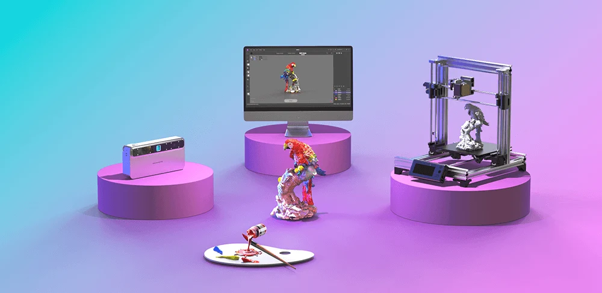
Turning a physical object into a digital model has become much easier thanks to modern 3D scanning technology. Instead of building every model from scratch, users can capture an object’s shape and prepare it for printing with fewer design steps. This approach supports a wide range of projects, from replacement parts to custom creations and prototypes.
Choosing the right scanner starts with understanding how different types of scanners work and which features support an efficient scan-to-print workflow. Readers looking to explore a 3D scanner for 3D printer applications can benefit from learning how different scanner models suit specific needs before making a decision. Whether the goal is producing replacement parts, preserving artwork, or creating custom projects, selecting the right equipment helps improve both the scanning experience and the final printed result.
Why a 3D Scanner Is Valuable for 3D Printing
A 3D scanner converts the shape of a real object into a digital model that can be refined before printing. This process reduces the amount of manual modeling required and gives users a practical starting point for many different projects.
Common applications include:
- Creating replacement parts
- Reproducing handmade crafts
- Developing product prototypes
- Preserving collectibles
- Building custom accessories
By starting with a scanned model, users can spend more time improving the design instead of recreating every detail manually.
Popular Scanner Models for Different Applications
3D scanner models are designed for different applications. Understanding the common model categories makes it easier to choose the right solution for a specific scan-to-print workflow.
| Scanner Model Category | Best For | Main Benefit |
| Handheld 3D Scanner | Everyday projects | Portable and flexible |
| Desktop 3D Scanner | Small detailed objects | Stable scanning environment |
| Structured Light Scanner | Detailed surface capture | Produces refined digital models |
| Laser 3D Scanner | Large or complex objects | Suitable for a wide range of object sizes |
Handheld 3D Scanners
Handheld scanners provide flexibility when capturing objects from different angles. They are well suited for hobby projects, replacement parts, decorative items, and creative applications where portability is useful.
Desktop 3D Scanners
Desktop scanners keep the object in a fixed position throughout the scanning process. This makes them a practical choice for small objects that require consistent positioning, such as miniatures, figurines, and jewelry.
Structured Light Scanners
Structured light scanners capture an object’s shape by projecting light patterns across its surface. They are a practical choice for projects that require fine details and smooth digital models.
Laser 3D Scanners
Laser scanners are suitable for larger objects or more complex shapes. They provide flexibility when scanning furniture, equipment, sculptures, and other items that extend beyond the size of a typical desktop setup.
.
Key Features to Consider When Choosing a 3D Scanner
Choosing the best scanner involves more than comparing specifications. The following features have the greatest impact on everyday scan-to-print workflows.
Accuracy
Accuracy determines how closely the digital model matches the original object. This becomes especially important when creating parts that need to fit together after printing.
Resolution
Resolution affects the amount of surface detail captured during scanning. Higher resolution can preserve small textures and intricate features that improve the appearance of the finished print.
Ease of Use
A straightforward setup and intuitive software help reduce the learning curve, allowing users to complete projects with less time spent on adjustments.
Software Compatibility
Scanners that export common file formats make it easier to edit models and prepare them for slicing before printing.
Tips for Better Scan-to-Print Results
Even the best scanner benefits from good scanning techniques. A few simple habits can improve scan quality, reduce editing time, and produce better 3D prints.
Prepare the Object
Before scanning, clean the object to remove dust, fingerprints, or loose debris. A clean surface helps create a more complete digital model and reduces unwanted imperfections.
Capture Multiple Angles
Scanning from several viewpoints ensures that every part of the object is recorded. Overlapping scans make it easier for the software to combine the captured data into a complete model.
Keep the Object Stable
Movement during scanning can create gaps or uneven surfaces. Placing the object on a stable surface or using a turntable helps maintain consistent results throughout the scanning process.
Check the Model Before Printing
After scanning, inspect the digital model for missing areas, rough edges, or small imperfections. Making minor corrections before slicing the file can save time and material during printing.
Common Mistakes to Avoid
Many scanning issues can be avoided with careful preparation and a consistent workflow.
Scanning too quickly may result in incomplete data, making additional editing necessary.
Ignoring lighting conditions can affect how well the scanner captures an object’s shape. Soft, even lighting generally provides a cleaner scan than harsh or uneven lighting.
Skipping a test print may lead to unexpected fitting or sizing issues. Printing a smaller sample first allows adjustments before creating the final version.
Relying only on specifications may not lead to the best choice. Selecting a scanner that matches the intended project often delivers a better overall experience than choosing one based only on technical features.
Choosing the Right Scanner for Your Projects
The best scanner depends on how it will be used. Before making a decision, think about the types of objects that will be scanned most often.
A handheld scanner is a practical option for general projects and users who value portability. Desktop scanners work well for smaller objects that require stable positioning. Structured light scanners are suitable for capturing detailed surfaces, while laser scanners are often chosen for larger or more complex objects.
Readers looking to explore dedicated scanning solutions can browse the collections from 3DMakerpro, which include scanners designed for a variety of object sizes and scan-to-print workflows. Selecting equipment that aligns with specific project requirements can make the entire process more efficient.
Conclusion
Finding the best 3D scanner for a 3D printer is about choosing a solution that matches the size, complexity, and purpose of each project. Understanding the different scanner types, evaluating key features, and following good scanning practices can help create cleaner digital models that are ready for editing and printing.
A well-planned scan-to-print workflow saves time and helps produce more reliable results. By selecting the right scanner, preparing objects carefully, and reviewing digital models before printing, users can complete projects with greater confidence and enjoy a smoother 3D printing experience.