Keeping an Old House Warm Without Losing What Makes It Special
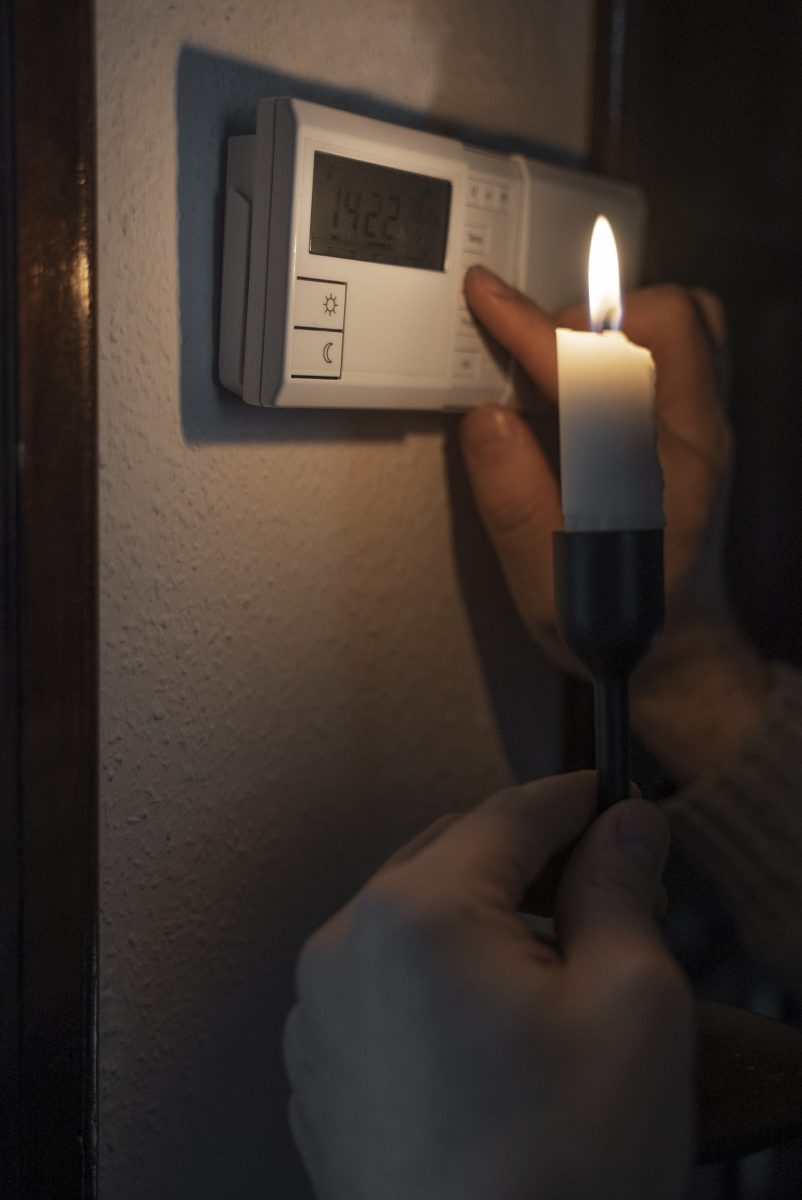
Anyone who lives in an older house knows the routine. The thermostat creeps up in November and stays there until April. There’s a chair nobody sits in during January because it’s next to the window. And every winter, someone suggests taping plastic film over the glass again.
Older homes have a lot going for them: solid construction, generous rooms, woodwork you can’t buy anymore. What most of them don’t have is the kind of insulation and glazing we now take for granted. And of all the places heat escapes, the windows tend to be the worst offenders.
Why the windows matter so much
A wall packed with insulation holds heat reasonably well. A single pane of glass does almost nothing. The US Department of Energy notes that windows are a major source of heat loss in the typical home, and in an older house with original sashes, the problem is usually compounded by gaps. Wood shrinks, putty cracks, weights and pulleys wear out, and a window that was snug in 1920 now rattles in a strong wind.
The results are familiar. Rooms feel cold even when the heat is running. Frost forms on the inside of the glass on the coldest mornings. Sills get damp and paint peels. And the heating bill climbs every year.
It’s not just a local problem
Cold, drafty old homes are a challenge in a lot of places, and it’s worth looking at how other cities handle them, because the solutions travel well.
In much of northern Europe, double and triple glazing have been standard for decades. In the UK, owners of Victorian and Georgian terraces often have to balance energy upgrades against strict conservation rules. And in Australian cities like Melbourne, where streets of 19th and early 20th century homes were built with minimal insulation, homeowners have become adept at upgrading windows without changing how the houses look from the street. Specialists there make replica timber sashes and heritage-friendly double-glazed windows that match original profiles closely enough that most passersby would never notice the change.
The common thread is that you don’t have to choose between keeping a house’s character and making it comfortable. There are more options than most people realize.
The main options for older windows
Weatherstripping and repair. This is the cheapest starting point. Re-glazing putty, replacing worn sash cords, and adding weatherstripping can make a real difference to drafts, although it doesn’t change how well the glass itself insulates.
Storm windows. A long-standing American solution. An interior or exterior storm window adds a second layer of glass over the original, creating an insulating air gap. Modern low-profile storm windows are far less obtrusive than the aluminum versions many people picture.
Secondary glazing. Similar in principle, but usually fitted discreetly inside the existing frame. It’s popular for historic homes where the original windows must stay, and it also reduces outside noise.
Double-glazed replacement windows. These use two panes with a sealed gap filled with air or argon gas. They offer the biggest improvement in heat retention and comfort. For older homes, look for suppliers who can match the original sash style, muntin pattern and wood profile.
Retrofit glazing. In some cases, double-glazed units can be fitted into existing sashes if the timber is sound and deep enough, preserving the original frames.
If you live in a historic district
Many towns and villages have historic districts or properties on the National Register, and changes to windows visible from the street may need approval from a local preservation or planning board. It’s worth a phone call before you order anything. Boards are often more flexible than homeowners expect, especially when the replacement closely matches the original design, and interior storm windows or secondary glazing usually sidestep the issue altogether.
What to compare when getting quotes
Look at the U-value on the window’s NFRC label, which measures how easily heat passes through, and remember that lower is better. For cold climates, low-emissivity (Low-E) coatings and argon gas fill both help noticeably.
Frame material matters. Wood and vinyl insulate well. Aluminum frames lose a lot of heat unless they include a thermal break.
Ask how the window will be sealed into the opening. Older houses are rarely perfectly square, and a well-made window that’s poorly installed will still leak air. An installer with experience in older homes is worth seeking out.
Questions homeowners often ask
Should I restore my original windows or replace them? It depends on their condition and how much you value the originals. Well-maintained old sashes paired with good storm windows can perform respectably. If the frames are rotted or the budget allows, double-glazed replacements give the best result.
Are storm windows as good as double glazing? They can come surprisingly close, particularly good-quality interior storms. Sealed double-glazed units generally perform better and require less seasonal fuss.
Will new windows ruin the look of my house? Not if you choose carefully. Replica sashes, true or simulated divided lites, and painted wood finishes can match original windows very closely.
Where should I start if I can’t do every window at once? Begin with the rooms you use most and the windows that face the prevailing winter wind. Those tend to deliver the quickest improvement.
Do better windows help in summer too? Yes. The same features that hold heat in during winter help keep heat out during summer, which takes pressure off fans and air conditioning.
Comfort and character can coexist
An old house doesn’t have to mean a cold one. Whether you start with weatherstripping, add storm windows, or go all the way to double-glazed replacements, improving the windows is one of the most effective steps you can take to make an older home comfortable. Done thoughtfully, it keeps the charm that drew you to the house in the first place and makes those long winters a lot easier to enjoy.
Read more: The Smart Way to Approach a Fixer Upper in Clinton
Read more: Signs That Your Asphalt Shingle Roofing Needs an Immediate Repair
Read more: Aging Homes Are Driving a New Wave of Repair Costs in 2026