Why Side-Impact Crashes Cause Some of the Most Serious Injuries
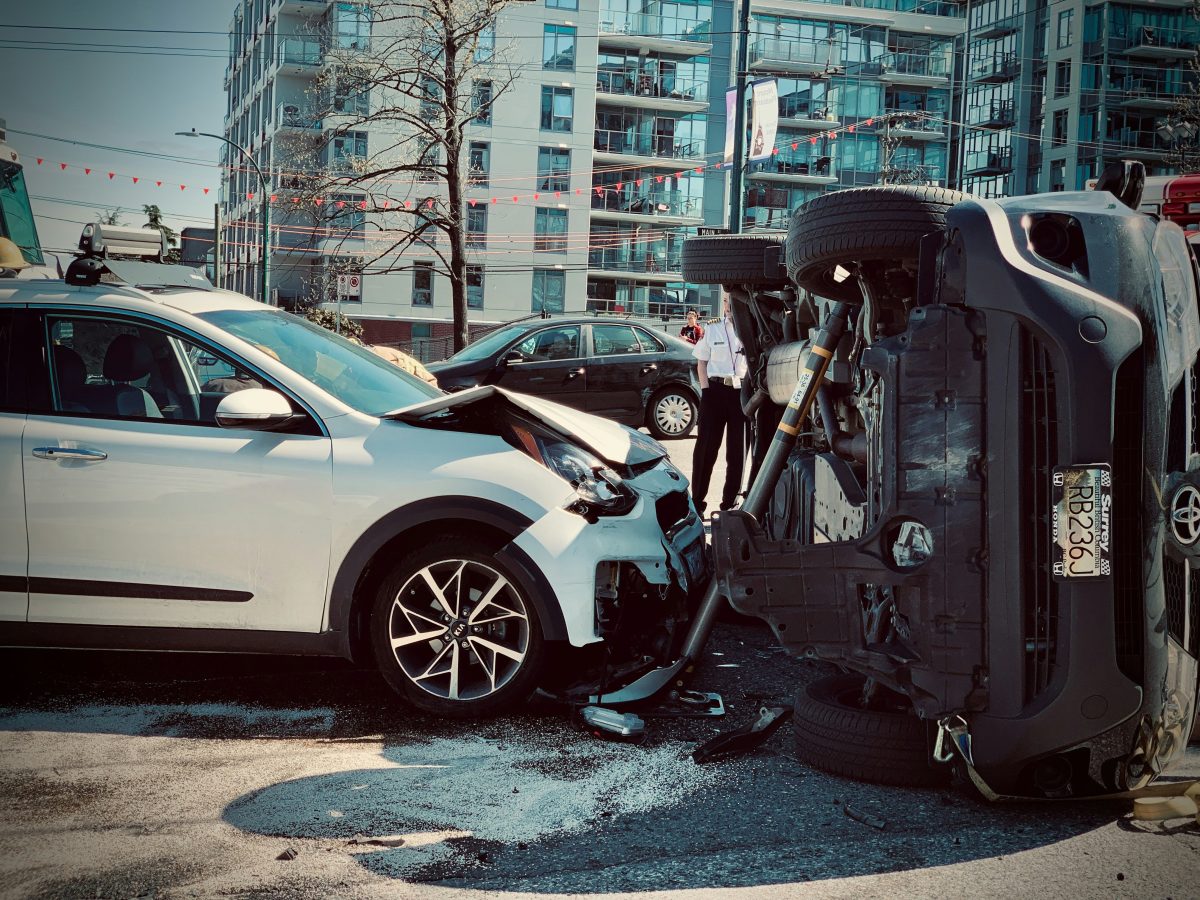
In an accident, you expect the worst to come from in front of you. While this can be true, a collision from the side can be just as devastating. Side-impact, or T-Bone, collisions are commonplace at intersections. Distracted driving is to blame when a driver runs a red light and crashes into the side of your vehicle. Without an extensive structure between the occupants and the impacting vehicle, injuries can be catastrophic and life-altering. In these chaotic situations, identifying liability is rarely straightforward, which is why consulting a knowledgeable vehicle collision lawyer is often a necessary step for victims trying to navigate the messy aftermath.
The Absence of Sufficient Crumple Zones
The core reason these specific wrecks produce such immense trauma boils down to basic automotive engineering and the sheer lack of structural protection. Crashes from the front or rear allow for absorption of some of the collision’s kinetic energy through crumple zones. A side impact, on the other hand, offers little to no protection. The side structure of the average sedan or SUV has little to no protection. A door, window, and thin side-reinforced structures are all that stand between the occupants and the side-impacting vehicle. The limited distance between the side of the impacted vehicle and the structure of the striking object dramatically increases the possibility of serious injuries to the vehicle occupants.
Devastating Effects on the Human Body
This sudden and violent transfer of force regularly results in a distinct pattern of severe bodily harm that can take months or even years to fully heal. Victims frequently suffer from traumatic brain injuries, shattered collarbones, fractured ribs, and severe internal bleeding because their bodies are violently jerked sideways—a jarring motion the human spine is simply not built to handle. Even at relatively low speeds, the lateral whiplash generated by a broadside hit can cause permanent nerve damage and spinal cord compression. The unpredictability of the impact angle also means that traditional seatbelts, while absolutely crucial for keeping passengers inside the vehicle, can sometimes contribute to chest contusions during the violent sideways momentum.
How Modern Safety Features Try to Help
Automakers have continuously tried to address this vulnerability by introducing advanced safety technologies like side curtain airbags and reinforced side-impact beams, but these countermeasures can only do so much against the laws of physics. Side airbags will keep your head off the glass, but they can’t stop a caving door from crushing your hips and lower body. While this technology saves lives, survivors are often still left with severe, long-term injuries.
Navigating Long-Term Financial and Physical Recovery
Surviving the initial impact is usually just the beginning of a grueling journey that takes a massive emotional and financial toll on the entire family. The piling medical bills for emergency surgeries, extended hospital stays, and ongoing physical therapy can easily bankrupt an ordinary household, especially if the injured person is temporarily or permanently unable to return to their job. Dealing with aggressive insurance adjusters who want to minimize the payout only adds salt to the wound, as they frequently attempt to shift the blame onto the victim or downplay the severity of the medical reports. This is precisely why having a dedicated vehicle collision lawyer handle the complex negotiations becomes crucial, ensuring that the injured party is not strong-armed into accepting a settlement that falls drastically short of covering their true long-term costs.
The Complexity of Determining Intersection Liability
Establishing who is at fault is the other major challenge, as broadside collisions typically happen in intersections with controlled or uncontrolled intersection conflicts, i.e., intersections with traffic signals or stops. One driver will claim to have had a green light, while the other will claim to have had a red light, with both typically claiming to have the right-of-way. Hard evidence is needed to prove who is at fault, such as traffic cameras, skid marks, or witnesses. If this evidence is not obtained quickly, the at-fault driver can leave the scene, and you will be left to pay for the damages.
Read more: What Every Driver Should Document at a Crash Scene and How Long They Have to File a Claim
Read more: How Indiana’s 51 Percent Fault Rule Can Make or Break a Car Accident Claim
Read more: 5 Things to Know Before Seeking Legal Help After a Car Accident