7 Dark Spot Products Compared on Ingredients and Wear
Dark spot products rarely fail because the active ingredient is weak. They fail because the active does not match the skin wearing it, which is easy to overlook when every label promises the same brighter, more even tone. The growing popularity of Korean innovations in modern aesthetic care has only widened the field, so narrowing it down means looking past the marketing to the ingredient list and the texture underneath it.
Seven products are lined up below, chosen to cover the main actives people reach for and how each one actually wears on skin through the day. None is ranked purely on strength, since a serum that works brilliantly for one skin type can sting or pill on another.
What Actually Fades a Dark Spot?
Pigment-focused ingredients fall into a few families. Niacinamide and arbutin interrupt pigment production gently enough for daily use, tranexamic acid and azelaic acid work harder on stubborn, long-standing marks, and kojic acid draws on a fermentation tradition that has anchored Korean brightening formulas for decades. Exfoliating acids such as AHA and PHA support the others by clearing dead cells faster, which lets pigment fade sooner.
Wear matters just as much as the active itself. A watery serum absorbs fast and layers easily under makeup, while a richer one sits longer and suits an evening-only slot. Matching that texture to a routine is often what decides whether a product gets finished or abandoned halfway through the bottle.
1. Dr.Melaxin Peel Shot Kojic Acid Turmeric Serum
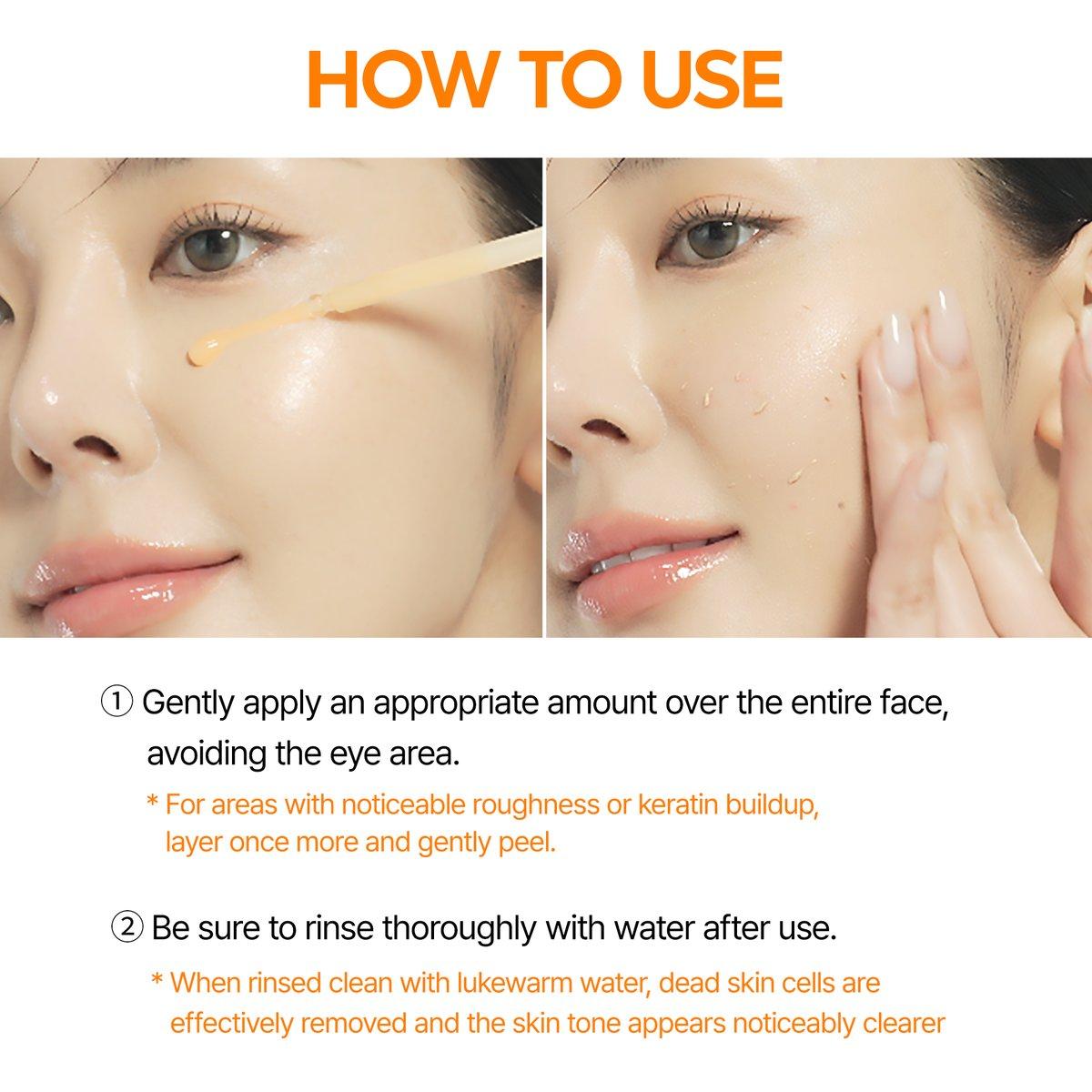
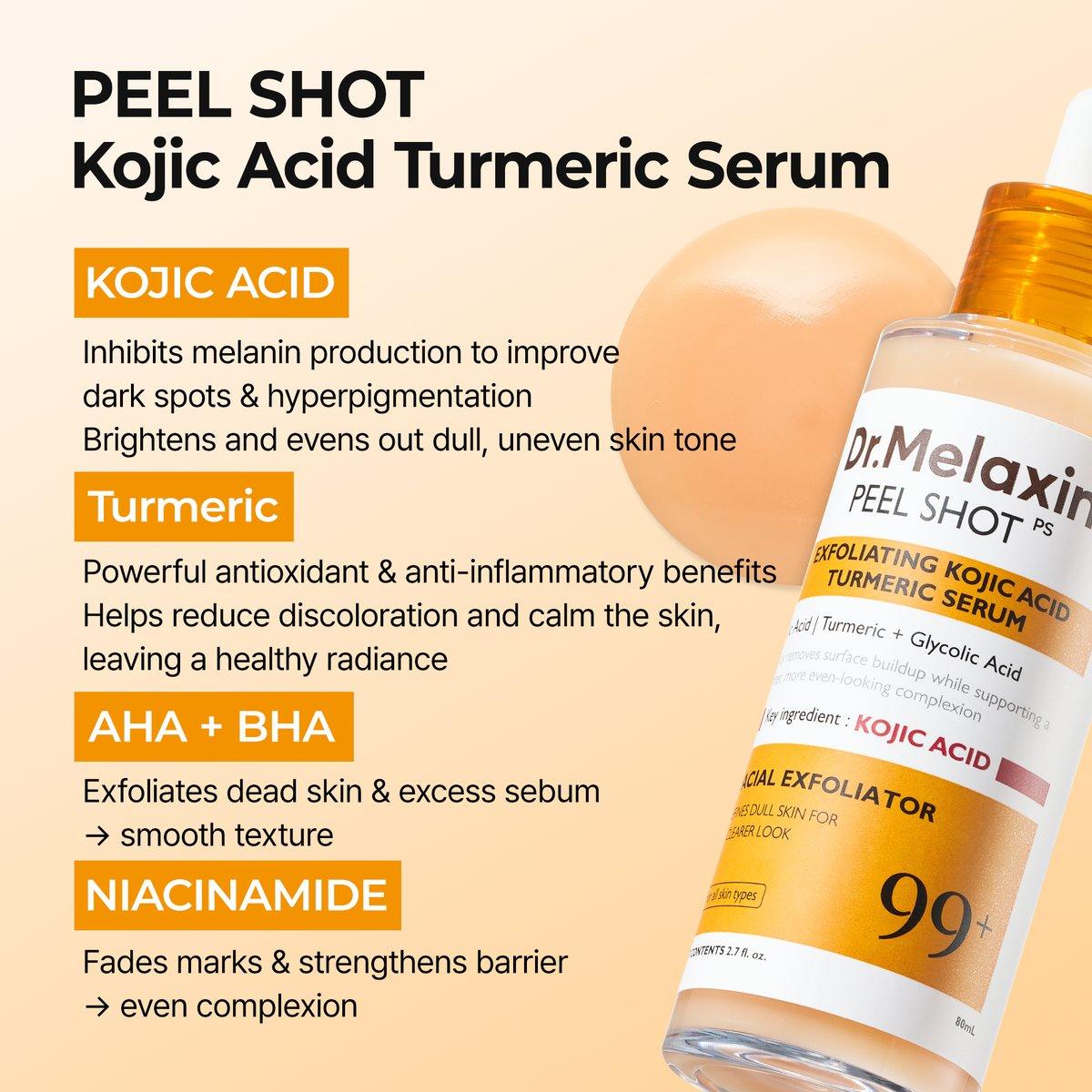
Korean brightening formulas lean on kojic acid more than almost any other market, and Dr.Melaxin’s kojic turmeric range builds its serum around that tradition. Kojic acid pairs with turmeric, niacinamide, a multi-hyaluronic acid complex and a glycolic acid and gluconolactone blend, aimed at dark spots, uneven tone and rough texture together rather than pigment alone. The 80ml bottle sells for $21 and carries a lightweight daily texture meant to sit comfortably under the rest of a routine.
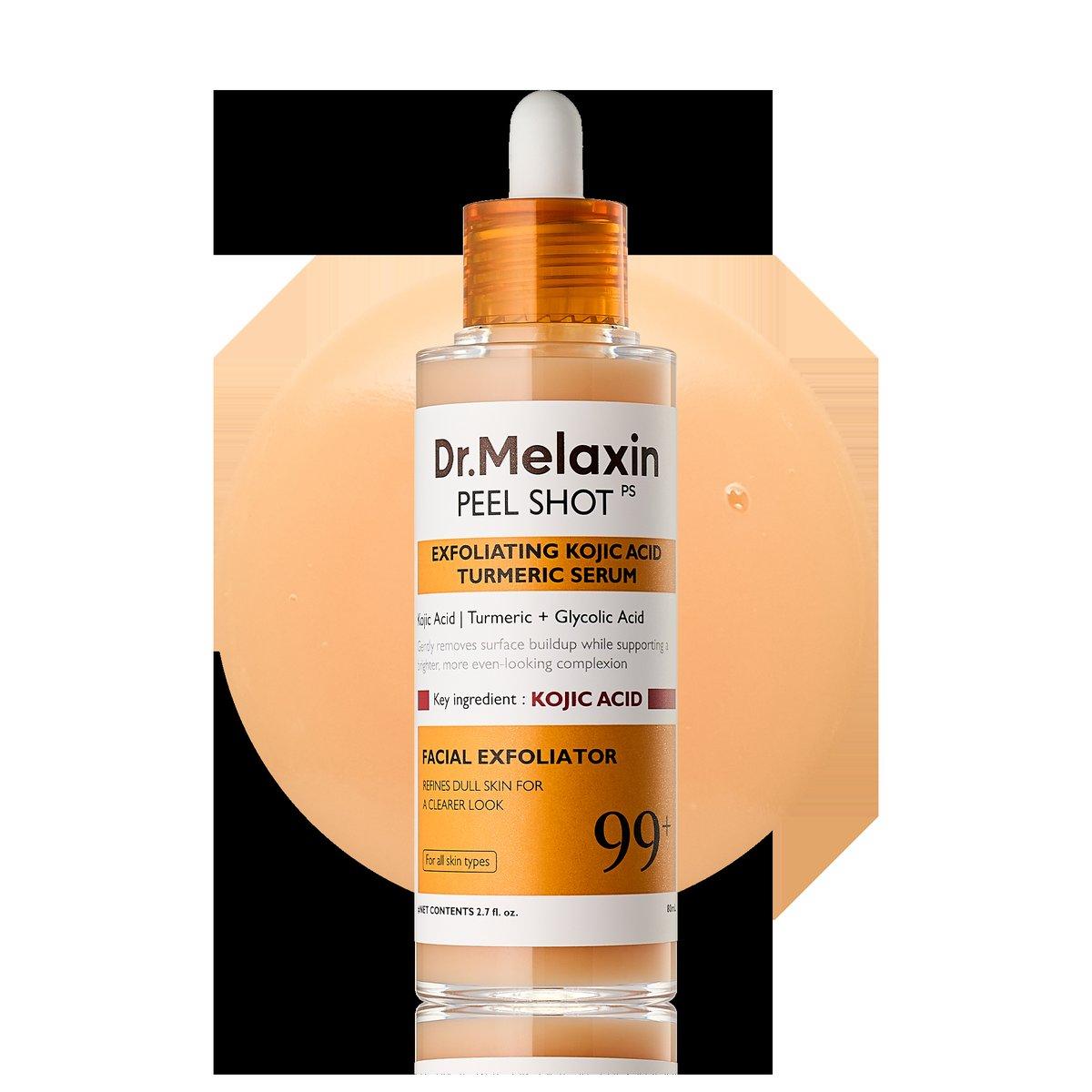
Centella asiatica rounds out the formula for comfort, which gives it an edge for anyone whose skin reacts to stronger single-ingredient brighteners. Wear-wise, the thin, fast-absorbing texture goes on in the time it takes to apply any other morning serum.
2. innisfree Vita C Green Tea Enzyme Dark Spot Toning Serum
Green tea enzyme and sea buckthorn sit alongside 5% niacinamide in this 50ml serum, with allantoin and calendula added to calm any reaction from the actives. Its lightweight, non-greasy texture leaves a soft-touch finish, and it suits oily and combination skin especially well, though a handful of reviewers found it slightly sticky before fully absorbing.
3. The Ordinary Alpha Arbutin 2% + HA
Alpha arbutin at 2% is the headline here, a concentration the brand positions above the 1% more commonly used elsewhere, paired with hyaluronic acid for hydration. The 30ml serum absorbs quickly with no greasy residue, though some find it slightly tacky until moisturizer goes on top. It remains one of the more budget-friendly entry points into targeted pigment care.
4. La Roche-Posay Pigmentclar Serum
This one takes a multi-ingredient approach, combining niacinamide with capryloyl salicylic acid, an exfoliating LHA, alongside phenylethyl resorcinol, ferulic acid and ginkgo biloba extract. The exfoliating component sets it apart from simpler brighteners, making it a fit for skin that also struggles with dullness and uneven texture rather than pigment alone. It is free from common allergens, oils, parabens and sulfates.
5. Paula’s Choice 10% Azelaic Acid Booster
Azelaic acid at 10%, the maximum typically available without a prescription, makes this the strongest single active on this list, backed by 0.5% salicylic acid, licorice root and allantoin. Redness improvements tend to show within two to four weeks, with fuller brightening taking eight to twelve. Tingling is common early on, and the brand itself flags it as less suited to very sensitive or compromised skin.
6. AXIS-Y Dark Spot Correcting Glow Serum
Niacinamide at 5% leads here too, blended with papaya, rice bran and sea buckthorn extract alongside allantoin and calendula for soothing. The lightweight, non-greasy texture suits all skin types including oily, and the 50ml bottle is priced toward the accessible end of this list. One long-term reviewer reported no visible change after several months, a reminder that consistency and realistic timelines matter more than any single ingredient.
7. Differin Dark Spot Correcting Serum
Niacinamide at 4% anchors this one, a concentration the brand notes was used in a published melasma trial against hydroquinone, paired with a stabilized vitamin C derivative, sea buckthorn oil and biotin for barrier support. The 30ml bottle has a lightweight, watery texture that layers easily under sunscreen and makeup, and it is built specifically around fading the marks that follow a breakout.
How These Dark Spot Products Compare
| Product | Lead active | Texture |
| Dr.Melaxin Peel Shot Kojic Turmeric Serum | Kojic acid + turmeric | Lightweight daily serum |
| innisfree Vita C Green Tea Enzyme Serum | Niacinamide 5% + green tea enzyme | Lightweight, soft-touch |
| The Ordinary Alpha Arbutin 2% + HA | Alpha arbutin 2% | Fast-absorbing, slightly tacky |
| La Roche-Posay Pigmentclar Serum | Niacinamide + exfoliating LHA | Multi-active, texture-focused |
| Paula’s Choice Azelaic Acid Booster | Azelaic acid 10% | Richer, can tingle early on |
| AXIS-Y Dark Spot Correcting Glow Serum | Niacinamide 5% | Lightweight, non-greasy |
| Differin Dark Spot Correcting Serum | Niacinamide 4% | Lightweight and watery |
Choosing a Dark Spot Product by Skin Type and Schedule
Sensitive skin generally does better starting with a gentler niacinamide or arbutin formula before working up to azelaic acid, and anyone layering several actives should bring in one at a time. The same patience applies to clean beauty and natural skincare claims, since a gentle-sounding ingredient list is not automatically a faster one. A few habits help regardless of which product gets picked:
- Patch test a new serum for a few days before applying it to the whole face.
- Apply sunscreen every morning, since ultraviolet exposure undoes a brightening routine fast.
- Give any single product at least four to six weeks before judging whether it works.
- Keep exfoliating acids and strong actives on separate nights rather than stacking them.
- Watch for lasting redness, stinging or flaking, and scale back if any of it shows up.
Which Dark Spot Ingredient Should Lead Your Routine?
No single active suits every skin, which is the real takeaway from lining these seven up side by side. Niacinamide and arbutin are the safer starting points for most people, azelaic acid is worth reaching for once marks have proven stubborn, and kojic acid blends like Dr.Melaxin’s give a middle path that pairs a traditional active with gentler support. Pick one, give it the weeks it needs, and let the comparison above guide the next bottle rather than the first one tried.