Patient education is transforming how people prepare for surgical healing
Preparing for an aesthetic or restorative procedure often brings unexpected questions about the recovery journey ahead. You might wonder how your body responds once you leave the operating room, or how long your daily routine stays on hold.
Transparent surgical consultations and patient education transform that uncertainty into steady confidence. When you understand how your tissues repair themselves, you can take active control of your recovery and set realistic milestones from day 1.
Why Does Clear Patient Education Reshape Surgical Healing?
Navigating a surgical procedure requires more than showing up on the morning of your operation. When your surgical team provides clear instructions before your surgery date, you gain a practical roadmap for every recovery phase. You learn what normal swelling looks like, how your body manages fluid shifts, and when you should rest versus when you should take light walks.
This open communication eliminates guesswork and lowers stress. High anxiety triggers physical tension, which restricts blood circulation and slows down natural tissue regeneration. Armed with practical knowledge, you approach each postoperative day with calm focus, knowing that your body moves through a structured biological process.
What Drives the Biology of Tissue Repair?
Healing begins the moment your surgeon places the final stitch. Your body launches an immediate sequence of biological reactions designed to seal the incision, fight off pathogens, and rebuild the cellular framework beneath your skin.
Your recovery proceeds through 3 distinct phases: inflammation, proliferation, and remodeling. During the first few days, blood platelets gather to form a temporary seal, while white blood cells clear cellular debris from the incision area. This inflammatory stage produces localized warmth, mild pinkness, and firm swelling around the incision margins.
Soon after, the proliferative phase introduces fibroblasts, which are specialized cells that construct a fresh matrix of collagen and microscopic blood vessels. As weeks pass, your body enters the remodeling phase, during which it replaces early, disorganized collagen fibers with stronger, organized connective tissue.
How Do You Navigate Incision Maturation and Scar Protocols?
You need clear clarity about incision maturation before you step into the operating room. When planning restorative procedures, you achieve greater peace of mind by understanding how breast lift scars mature over several months through disciplined post-operative care and sun protection. Surgical lines rarely stay thin and pale right away, as your circulatory system pumps extra blood into the area during the early remodeling cycle. Knowing what to expect keeps you calm when normal redness appears along your incision lines.
Incision lines often look raised, firm, or pink between 6 and 12 weeks after surgery. Many patients assume that their scars are worsening during this stage, but this temporary rise represents peak collagen deposition. Your body produces structural proteins to protect the delicate seam, and this extra tissue gradually softens as the matrix matures.
What Are the Clinical Best Practices for Wound Care?
Proper wound hygiene forms the backbone of a complication-free recovery. You must treat your healing skin with gentle care, keeping the area clean without using harsh antiseptics like hydrogen peroxide or rubbing alcohol, which strip away fragile new cells.
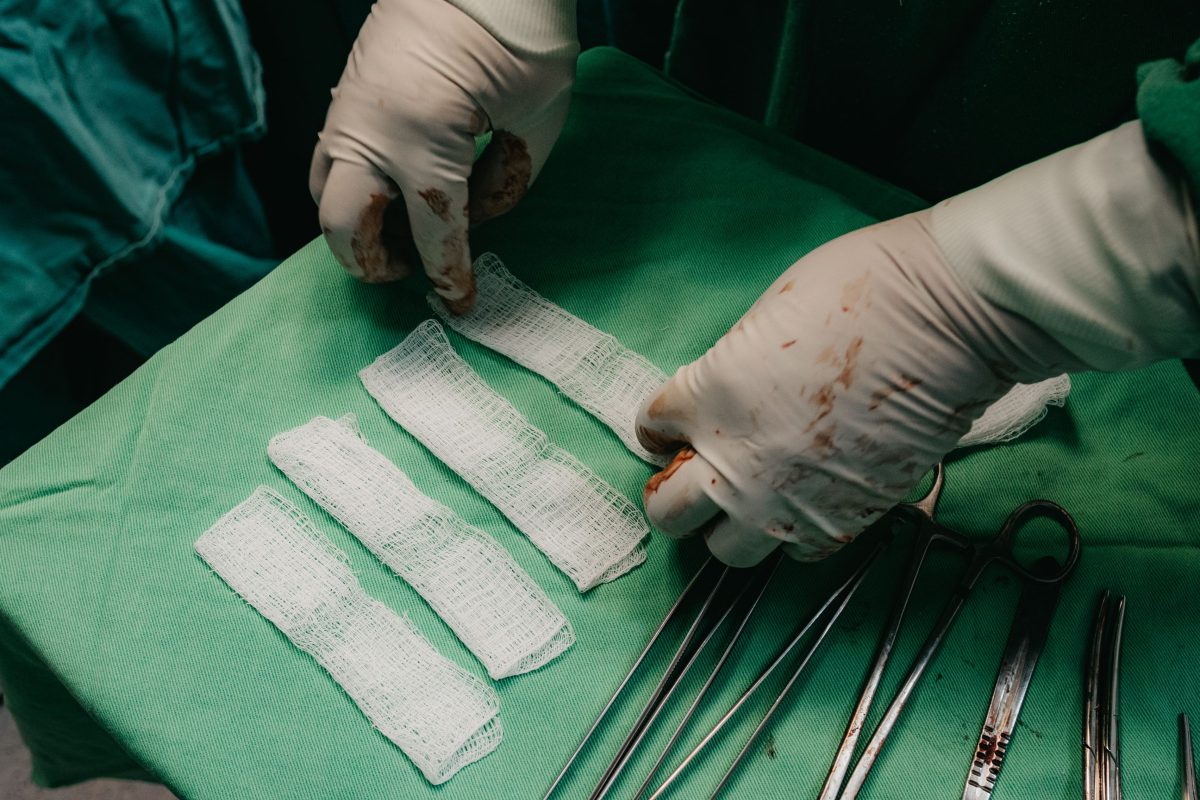
Clinical guidance published by MedlinePlus indicates that sterile surgical dressings shield your incision against bacterial exposure, prevent delicate stitches from snagging on clothing, and collect natural fluid discharge while your skin edges seal. Changing these coverings according to your surgeon’s exact schedule maintains an ideal microenvironment for cellular closure.
You can follow a simple daily checklist to stay organized while managing your surgical site:
- Wash hands thoroughly: Scrub with warm water and soap for at least 20 seconds before touching any dressing or incision.
- Inspect incisions daily: Check your incisions in a well-lit mirror to monitor changes in color, swelling, or drainage.
- Keep dressings dry: Follow your surgeon’s exact bathing rules, using sponge baths until you receive clearance for full showers.
- Avoid scratching skin: Let scabs slough off naturally to prevent reopening microscopic tissue gaps.
How Does Cellular Research Guide Postoperative Recovery?
Modern surgical aftercare relies on advanced scientific understanding rather than outdated recovery myths. Clinicians continually evaluate how cellular forces and biochemical signals affect healing tissue under stress.
Researchers at Stanford Engineering examine the mechanical and molecular pathways governing tissue repair to build more targeted postoperative interventions. Their work reveals how mechanical tension across a wound triggers distinct cellular responses that can either promote clean repair or drive thick scar formation.
When you wear supportive recovery wear and respect movement limitations, you directly influence those physical forces. You actively participate in biological optimization, giving cellular bridges the calm environment they need to anchor securely.

How Can You Support Your Body From the Inside Out?
External wound care only addresses half of the recovery equation. What you put into your body directly determines how quickly your cells construct new tissue and resolve inflammation.
Prioritize lean proteins such as poultry, fish, tofu, and beans, which supply the amino acids necessary for collagen production. Pair these proteins with vitamin C from citrus fruits and leafy greens to support enzymatic binding within your connective tissues. Drink plenty of water throughout the day, as well-hydrated skin remains supple and processes metabolic waste efficiently.
Taking an active, informed role in your surgical journey transforms the healing experience from a passive wait into an empowering process. When you understand the biology of tissue repair, you can approach every stage with patience, confidence, and clear expectations. Respecting your body’s unique timeline, practicing consistent wound hygiene, and shielding your maturing incisions provide the strongest foundation for lasting results. Partner closely with your surgical team, follow your care plan, and give yourself the time needed to heal.
Read more: How Endoscopic & Minimally Invasive Spine Specialists in Tampa Improve Recovery Times
Read more: How Alginate Dressings Revolutionize Healing for Exudating Wounds
Read more: Help Your Loved One Get Their Life Back To Normal After Surgery With These Tips